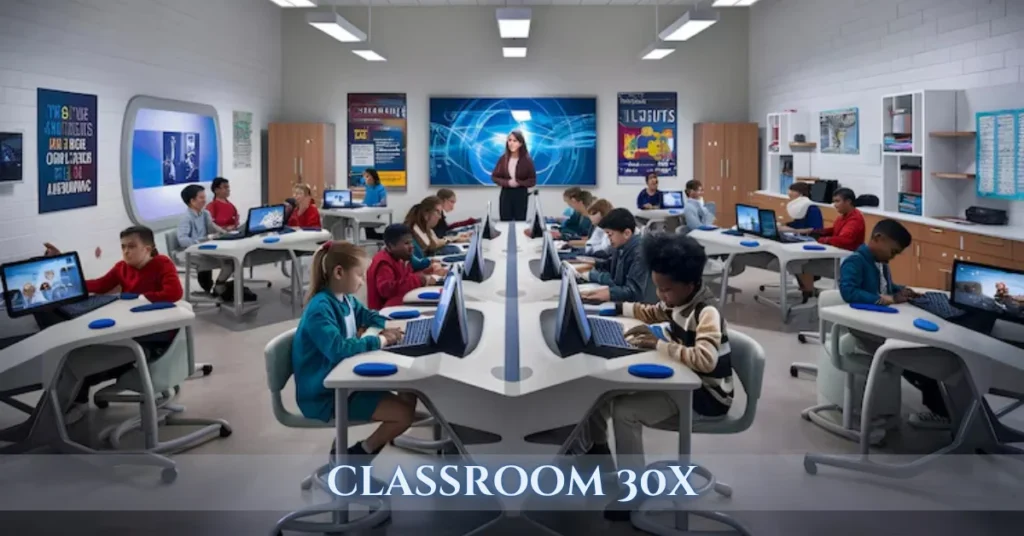
Introduction to Classroom 30X and the concept of gamification in education
Welcome to the future of learning with Classroom 30X! Picture a classroom where students actively engage in learning rather than simply receiving information passively. With the rise of gamification, that dream is becoming a reality. Gamifying education transforms traditional methods into engaging experiences that spark curiosity and enthusiasm among learners.
Classroom 30X embraces this innovative approach by integrating open-source games designed to enhance study engagement across various subjects and age groups. These interactive tools foster collaboration, critical thinking, and creativity while making learning fun. As educators look for new ways to ignite passion within their classrooms, open source games stand out as an effective solution worth exploring. Join us on this journey to discover how these digital wonders can revolutionize your teaching experience!
Benefits of using open-source games in the classroom
Open-source games bring a wealth of benefits to the classroom environment. They are cost-effective, eliminating expenses typically associated with proprietary software. Teachers can access a variety of resources without breaking budgets.
Customization is another key advantage. Educators can modify these games to suit their curriculum needs and student preferences. This flexibility allows for tailored learning experiences that resonate more deeply with students.
Moreover, open-source games foster collaboration among peers. Students often work together to solve challenges, enhancing teamwork skills and social interaction.
These games also encourage critical thinking and problem-solving abilities as learners navigate obstacles in dynamic environments. With engaging content, they promote active participation rather than passive learning.
The community-driven nature of open-source projects means continuous improvement from user feedback—ensuring that the educational tools remain relevant and effective over time.
Top 5 open-source games for different subjects and age groups
When it comes to enhancing learning, open-source games offer endless possibilities. They cater to various subjects and age groups.
For younger students, “Tux Paint” is a creative drawing program that teaches art fundamentals while allowing free expression. It’s perfect for developing fine motor skills.
In mathematics, “GCompris” provides engaging activities ranging from basic counting to complex problem solving. Its interactive lessons keep kids excited about numbers.
“Moonbase Alpha” targets older students by simulating real-world physics challenges in space exploration. It’s a fantastic way to teach teamwork and critical thinking.
History enthusiasts can dive into “Civilization: Beyond Earth,” which encourages players to explore cultural evolution and societal development through strategy-based gameplay.
Last but not least, “OpenTTD” immerses learners in economics with its transport simulation game, teaching resource management while providing hours of fun.
Real-life examples of schools implementing Classroom 30X
Several schools have embraced the Classroom 30X model, transforming traditional learning environments into dynamic spaces where students thrive.
At Lincoln High School, educators integrated open-source games like “GeoGuessr” to teach geography. Students engage with real-world locations and sharpen their map-reading skills while competing in friendly challenges.
In a middle school setting, Maplewood Academy adopted coding games such as “Scratch” for computer science classes. Learners create their own interactive stories or animations, fostering creativity alongside technical know-how.
Meanwhile, Riverview Elementary utilized math based games like “Open Board Game.” This platform encourages young learners to apply mathematical concepts through interactive play. The excitement of game mechanics has sparked increased participation among even the most reluctant students.
These examples illustrate how implementing Classroom 30X can make learning more engaging across various subjects and age groups. Teachers report noticeable improvements in student enthusiasm and comprehension when utilizing these innovative tools.
How to incorporate open-source games into lesson plans
Integrating open source games into lesson plans can be both fun and effective. Start by aligning the game’s objectives with your curriculum goals. This ensures students grasp essential concepts while playing.
Identify the appropriate age group for each game. Some may suit younger learners, while others challenge older students. Tailoring games to student levels maximizes engagement.
Introduce the game in class as an interactive tool rather than a distraction. Explain how it fits into their learning journey, emphasizing its educational value.
Incorporate short sessions where students play after covering key content areas or as part of a review process. Ensure there are clear instructions and support throughout.
Encourage collaboration by having them work in teams during gameplay. This fosters communication skills and enhances problem solving abilities among peers.
Gather feedback from students on their experiences with these games to refine future lesson plans effectively.
Tips for maximizing student engagement and learning through gaming
To maximize student engagement through gaming, start by aligning games with learning objectives. Choose titles that reinforce subject matter while keeping the excitement alive.
Encourage collaboration among students. Multiplayer games foster teamwork and communication skills, making lessons more interactive and enjoyable.
Incorporate regular feedback loops. This means giving students opportunities to reflect on their gameplay experiences and what they learned from them.
Adapt your approach based on diverse learning styles. Some students thrive in competitive environments; others excel when collaborating or solving puzzles together.
Create a leaderboard or reward system to motivate participation without solely focusing on competition. Recognizing achievements can boost confidence and encourage continuous improvement.
Keep the atmosphere light hearted but focused. Allow for moments of fun without losing sight of educational goals this balance is key to sustained interest in classroom activities.
The future of gamification in education and potential challenges
The future of gamification in education holds immense potential for transforming traditional learning environments. As technology evolves, so will the tools available for educators to engage students effectively.
Emerging trends suggest that more personalized and adaptive gaming experiences could cater to diverse learning styles. This means students might learn at their own pace while enjoying interactive challenges tailored just for them.
However, some challenges loom on the horizon. Not all schools may have equal access to resources or technology needed to implement these games effectively. Additionally, there could be resistance from educators who are accustomed to conventional teaching methods.
Furthermore, maintaining a balance between fun and actual learning outcomes is essential. If not managed carefully, gamified approaches might become mere distractions rather than effective educational tools. Addressing these hurdles will be crucial as we advance into this new era of educational engagement through Classroom 30X.
Conclusion
Classroom 30X is transforming the landscape of education through the innovative use of open-source games. By harnessing the principles of gamification, educators can create dynamic learning environments that captivate students and enhance their engagement. The benefits are clear: increased participation, improved retention rates, and a more enjoyable learning experience.
With an array of open-source games available for various subjects and age groups, teachers have versatile tools at their disposal. Schools implementing Classroom 30X showcase real-life success stories where creativity meets pedagogy in meaningful ways.
As you explore how to integrate these games into lesson plans, remember to tailor your approach based on student needs and preferences. Engaging with them in discussions about game mechanics or encouraging collaboration can heighten excitement around learning.
Looking ahead, gamification holds promise but also faces challenges such as resource availability and varying levels of technological access among schools. However, with ongoing advancements in educational technology, there’s no doubt that Classroom 30X will continue to evolve.
Embracing this approach empowers both educators and students alike to foster a culture where learning feels less like a chore and more like an adventure worth embarking on together.