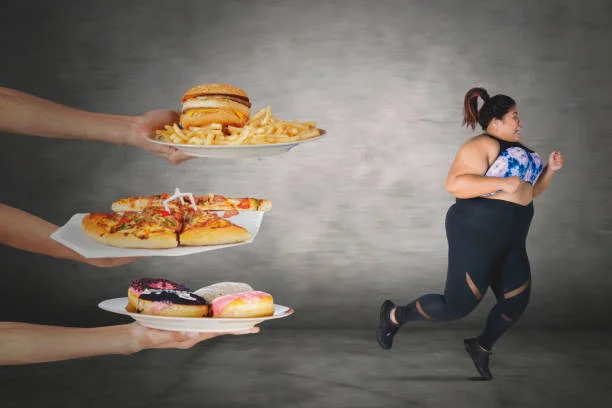
You’ve been disciplined all week. You hit your workouts, tracked your macros, and resisted the office donuts. But now the weekend is here, and the idea of a “cheat day” looms. It’s a tempting reward for your hard work, but a nagging fear creeps in: Will this one day of indulgence completely undo a week of progress?
You’re not alone. This is the mental battle every dedicated person faces on their fitness journey. The desire for flexibility clashes with the fear of derailing your results. So, is it okay to have a cheat day once a week? The answer is more complex than a simple yes or no, and it begins with understanding what’s really going on inside your body.
The key is knowing the difference between a temporary blip on the scale and actual fat gain. To make an informed decision, you first need to understand what actually happens to your body after a cheat meal.
Key Takeaways
- A single high-calorie meal is highly unlikely to cause significant fat gain. The immediate weight increase you see on the scale is primarily water weight from extra carbs and sodium.
- A planned “cheat meal” is a far more strategic and manageable approach for long-term progress than an entire “cheat day,” which can easily erase a week’s calorie deficit.
- The myth of a cheat day “boosting” your metabolism is largely false. The minor, temporary increase in metabolic rate doesn’t come close to offsetting the thousands of calories consumed.
- Your mental approach is critical. Framing an indulgence as a planned part of your strategy, rather than a guilty failure, is essential for building a sustainable, long-term healthy lifestyle.
The Science of the “Cheat”: What Really Happens in Your Body
To move past the fear and guilt associated with indulgences, it helps to understand the science. When you consume a meal that’s higher in calories, carbohydrates, and sodium than you’re used to, your body initiates a series of physiological responses. Most of what you experience in the 24 hours that follow is temporary and predictable.
Why the Scale Jumps: Decoding Water Weight vs. Fat Gain
The most common source of panic is the morning-after weigh-in. Seeing the scale jump up by three, four, or even five pounds can feel incredibly defeating. But here’s the good news: it’s almost certainly not fat.
When you eat more carbohydrates, your body stores them in your muscles and liver as glycogen. For every one gram of glycogen stored, your body holds onto approximately 3-4 grams of water. A large, carb-heavy meal replenishes these stores, and the water comes along for the ride. Add in the extra sodium from restaurant food or processed snacks, which also causes water retention, and you have the perfect recipe for a temporary spike on the scale.
Let’s look at the math. Gaining one single pound of body fat requires consuming a surplus of roughly 3,500 calories above your daily maintenance needs. To gain five pounds of actual fat in one day, you’d need to eat your normal daily calories plus an additional 17,500 calories. That’s extremely unlikely. The weight gain you see is a temporary fluctuation that will subside within a few days as you return to your normal eating and hydration patterns.
Myth Debunked: Can a Cheat Day Really “Boost” Your Metabolism?
One of the most persistent fitness myths is that a high-calorie cheat day can “shock” your system and significantly boost your metabolism. The theory is that it increases levels of leptin, the “satiety hormone” that can dip during prolonged calorie restriction, signaling to your body that it’s okay to burn more energy.
While there is a kernel of truth here, the effect is wildly exaggerated. A large calorie surplus can cause a temporary and minor increase in your metabolic rate and leptin levels. However, this effect is very short-lived and simply isn’t powerful enough to counteract the massive number of calories consumed during an entire cheat day.
Think of it like this: you might be adding a thimble of fuel to your metabolic fire, but you’re pouring a gallon of gasoline (in the form of calories) onto your body. The small metabolic uptick is canceled out many times over by the sheer energy surplus. Cheat days don’t boost your metabolism in any meaningful way that contributes to fat loss.
The Psychology of Indulgence: The Mindset That Makes or Breaks Progress
The physical impact of a cheat meal is temporary, but the psychological impact can be far more significant. Your mindset around planned indulgences is the single biggest factor in determining whether they are a helpful tool or a harmful trigger.
The Potential Upside: How Planned Indulgences Can Fuel Consistency
When approached correctly, incorporating a planned indulgence can be a powerful tool for long-term success. Strict, rigid diets often fail because they feel unsustainable and lead to burnout.
A guilt-free, planned meal offers a necessary mental break from discipline. It prevents the feelings of deprivation that can build up and eventually lead to giving up entirely. This flexibility also reduces stress in social situations, allowing you to enjoy a meal out with friends or a family celebration without anxiety. This approach supports a “marathon, not a sprint” mentality, which is the foundation of any lasting body transformation.
The Hidden Risks: When a “Treat” Becomes a Trigger
While a planned meal can be beneficial, an unstructured “cheat” mindset can be destructive. An “all-or-nothing” approach is a common pitfall, where one off-plan cookie turns into a full-blown binge that lasts the entire day or weekend. This happens when we label foods as “good” or “bad,” creating a cycle of restriction, craving, guilt, and overindulgence.
This isn’t just anecdotal. Research shows this mindset can be problematic. A study in the Journal of Eating Disorders found that for some individuals, cheat meals were associated with disordered eating patterns like binge-eating and compulsive exercise.
Ultimately, the outcome depends on how you frame the experience; the mindset is key. When an indulgence is seen as a flexible tool to manage cravings and improve long-term adherence, it can be a positive part of your strategy. But when it’s framed as a reward for restriction or a guilty “cheat,” it’s more likely to become problematic.
The Smart Solution: A Framework for Strategic Indulgence
The goal isn’t to be perfect; it’s to be consistent. A successful fitness journey has room for your favorite foods. The key is to incorporate them intelligently with a strategy that supports your goals instead of working against them.
Why a “Cheat Meal” Is Smarter Than a “Cheat Day”
This is where the distinction between a “cheat meal” and a “cheat day” becomes critical. A full cheat day can easily accumulate 4,000, 5,000, or even more calories. This can be enough to completely wipe out the entire calorie deficit you worked so hard to create over the previous six days.
A single cheat meal, on the other hand, is a controlled and isolated event. It’s far easier to manage within your weekly energy balance. One meal of 1,000-1,500 calories is a small bump in the road; a full day of indulgence is a major detour.
Focusing on one satisfying meal helps you stay psychologically connected to your goals. It prevents the “slippery slope” back into old eating habits that a full day of unstructured eating can trigger. It’s a measured approach that gives you the flexibility you need without derailing your progress.
Your 5-Step Guide to a Guilt-Free Cheat Meal
To make your next indulgence a success, trade impulsivity for intention. Follow this simple framework to enjoy your food and stay on track.
- 1. Plan It: Don’t leave it to chance. Decide in advance what meal you’re going to have and when. Will it be pizza night on Friday? A burger and fries on Saturday? Planning it turns it into a conscious choice, not a moment of weakness.
- 2. Time It: Schedule your meal strategically. A great time is after a workout on a training day. This way, your body is primed to use the extra carbohydrates and calories for muscle repair and glycogen replenishment.
- 3. Savor It: This isn’t a race. Put your phone away, sit at a table, and eat slowly. Pay attention to the taste, texture, and aroma of the food. By eating mindfully and without distraction, you’ll feel more satisfied and can enjoy it without an ounce of guilt.
- 4. Hydrate & Move On: After your meal, drink plenty of water to help your body process the extra sodium. The next day, do not try to “punish” yourself with hours of cardio or extreme food restriction. This fosters an unhealthy relationship with food and exercise. Simply return to your plan.
- 5. Get Right Back on Track: This is the most important step of all. A strategic indulgence is only one meal. Your very next meal should align with your normal, healthy eating plan. The speed at which you return to your routine determines your long-term success.
Conclusion: Build Your Progress on Consistency, Not Perfection
Remember, one meal didn’t get you to where you are, and one meal will not undo all of your progress. Long-term success in health and fitness is the sum of what you do most of the time, not what you do some of the time.
A truly sustainable journey has to include moments of enjoyment and flexibility. It’s a marathon, not a sprint. By ditching the restrictive “cheat day” mindset and embracing the occasional “strategic indulgence,” you can build a healthier relationship with food.
You can enjoy life’s pleasures and still achieve your goals. It’s not about perfection; it’s about consistency. And a well-planned meal is just another tool in your strategy for a healthy, balanced, and enjoyable lifestyle.