Driving on a blustery day feels like a chore, but most people do not realize just how quickly a stiff breeze can turn into a pileup. When gusts start screaming across the asphalt, the margin for error disappears. If you find yourself caught in the aftermath of a storm-related crash, contacting a reputable car accident law firm is the best way to protect your rights while you recover. High winds create a unique brand of highway chaos that even seasoned drivers can’t help but be caught off guard by.
The Invisible Hand: Aerodynamics and Control Loss
When a massive gust hits the side of a vehicle, it acts like a giant sail. This is especially dangerous for high-profile vehicles like semi-trucks, box vans, or SUVs. The wind creates a lateral force that pushes the tires toward the lane line. To stay straight, a driver has to steer into the wind. The problem arises when the wind suddenly stops or changes direction.
The driver, who was leaning into the breeze, suddenly finds themselves steering sharply into the adjacent lane. This “overcorrection” is a leading cause of multi-car accidents. If a driver in the next lane isn’t paying attention, that split-second wobble becomes a side swipe, which then cascades into a chain reaction of braking and spinning.
Flying Debris: The Deadly Projectile Factor
Wind does more than just push cars; it picks up everything that isn’t bolted down. On a highway, this means construction barrels, an unsecured mattress from a pickup truck, or even large tree limbs. When an object flies into the path of traffic, the human brain goes into survival mode.
Most drivers will instinctively jerk the wheel to avoid hitting the debris. This sudden swerve is far more dangerous than the object itself. A car swerving at 70 miles per hour often loses traction, slides sideways, and creates a physical blockade that following cars simply cannot avoid.
The Domino Effect of Reduced Visibility
High winds rarely travel alone. They usually bring dust, sand, or heavy rain, which chokes visibility. In these conditions, brake lights become blurry, and distances are harder to judge.
When the first car in a line hits a massive gust or a piece of debris and slams on the brakes, the cars behind it are already at a disadvantage. Because the wind is also buffeting those trailing vehicles, their braking distance is often compromised, leading to the classic “accordion” pileup in which dozens of vehicles are damaged in a matter of seconds.
Bridges and Overpasses: The High Velocity Danger Zones
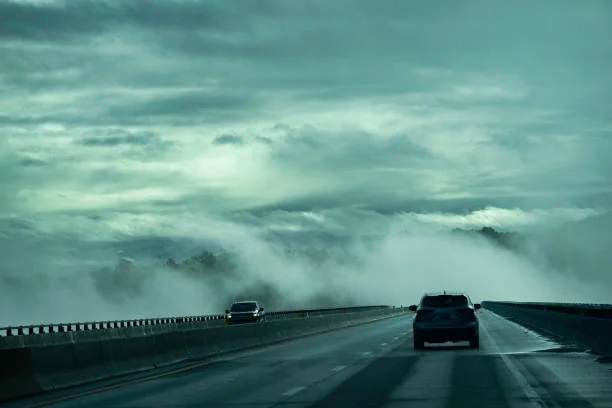
Geography plays a massive role in how wind affects your commute. Bridges and elevated overpasses are notorious for catching crosswinds that are much stronger than the air at ground level.
Because there are no trees or buildings to break the flow, a car can be pushed several feet to the left or right the moment it clears a concrete barrier. When multiple drivers experience this “shove” simultaneously, the likelihood of a multi-car collision skyrockets.
Final Thoughts: The Aftermath of a Wind-Related Crash
Navigating the legal aftermath of a wind-related crash is complicated because insurance companies love to blame Mother Nature to avoid paying out. However, driver negligence still plays a massive role in whether a gust leads to a tragedy or just a close call. If you have been hurt because someone else failed to slow down during a gale, reaching out to a car accident law firm can help you hold the right parties accountable. Stay focused, keep both hands on the wheel, and remember that when the wind picks up, your speed should go down.