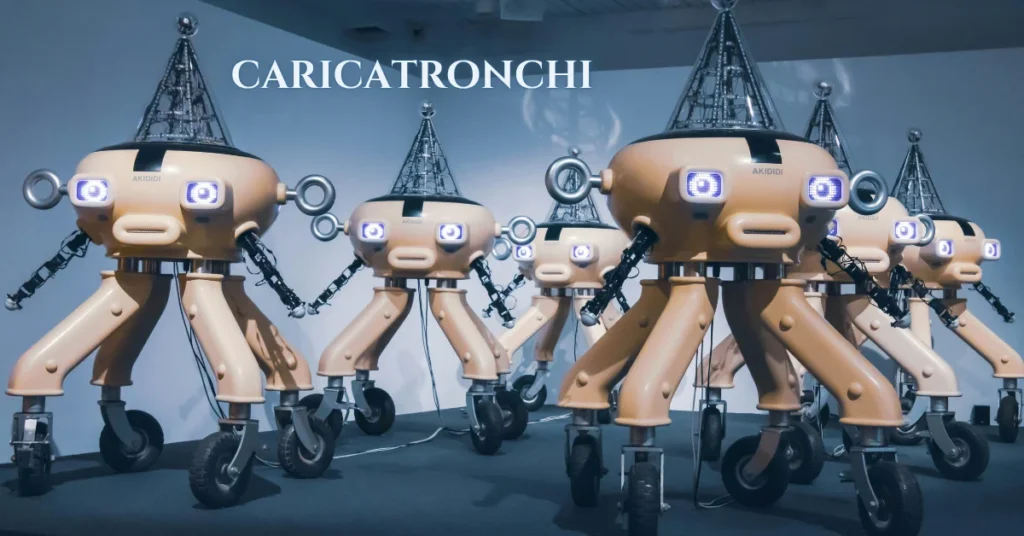
Introduction to Caricatronchi and its History
Imagine walking into a room where lifelike robots greet you with expressions so real, they could easily be mistaken for human beings. Welcome to the world of Caricatronchi, where art meets technology in an astonishing fusion. This innovative field not only pushes the boundaries of robotics but also challenges our understanding of what it means to be “alive.” From their intricate designs to their captivating functionalities, Caricatronchi is transforming how we interact with machines. Join us as we explore the fascinating history, groundbreaking science, and endless possibilities that lie within this remarkable blend of creativity and engineering.
The Science Behind Lifelike Robots
The science behind lifelike robots is a fascinating blend of engineering, artificial intelligence, and biology. At the core, advanced algorithms analyze human behavior and replicate it in real-time.
Sensors play a crucial role, allowing these robots to perceive their environment. Cameras mimic the human eye, while touch sensors provide feedback akin to skin sensitivity. This technology fosters interactions that feel increasingly natural.
Moreover, materials used in crafting lifelike features are groundbreaking. Silicone skin feels realistic and can even change color with temperature shifts—just like humans do.
Machine learning enables robots to adapt over time by analyzing vast amounts of data on human expressions and movements. The fusion of soft robotics with traditional mechanics leads to more fluid motions as well.
Each advancement paves the way for deeper connections between humans and machines—transforming our understanding of companionship and assistance in everyday life.
The Art of Creating Realistic Features in Robots
Creating realistic features in robots is a delicate balance of art and science. Designers focus on replicating human expressions, textures, and movements that evoke familiarity.
Artists draw inspiration from nature. Subtle nuances like skin texture or the way light reflects off surfaces are meticulously crafted. Advanced materials mimic the softness of skin while high-resolution printing adds intricate details.
Facial animation technology plays a crucial role. It captures micro-expressions to make robots appear more lifelike during interaction. The goal is to create an emotional connection with users.
Sound design also enhances realism. Natural speech patterns and intonations contribute significantly to how we perceive these machines as companions rather than mere tools.
This blend of creativity and technology pushes boundaries, leading us toward increasingly sophisticated creations that challenge our understanding of robotics and companionship.
Applications of Caricatronchi in Various Industries
Caricatronchi technology is making waves in various sectors. In healthcare, lifelike robots assist with therapy for patients, providing comfort and companionship. Their realistic features help ease anxiety, making them ideal for mental health settings.
The entertainment industry also benefits significantly from Caricatronchi innovations. These robots are used in movies and theme parks to create immersive experiences that captivate audiences. They bring characters to life like never before.
Education has seen a transformation as well. Schools utilize these advanced robots for interactive learning modules, engaging students more effectively than traditional methods can.
In the corporate world, lifelike robots serve as receptionists or assistants at events, impressing clients with their human-like interactions. This adds a unique touch to business environments while enhancing customer engagement strategies across industries.
Advancements in Caricatronchi Technology
Recent breakthroughs in Caricatronchi technology have transformed the landscape of lifelike robots. Enhanced artificial intelligence systems are allowing these creations to mimic human emotions and expressions more convincingly.
Engineers are now integrating flexible materials that closely resemble human skin. This innovation adds a new layer of realism, making interactions feel more genuine.
Moreover, advancements in robotics have led to improved motor functions. These robots can move with greater fluidity, enhancing their ability to engage in everyday activities alongside humans.
Sophisticated sensory mechanisms are also being developed. They allow Caricatronchi robots to perceive touch, sound, and even smell, creating immersive experiences for users.
As research continues to evolve, the potential applications seem limitless. The blend of art and science is pushing boundaries previously thought unattainable in robotic design.
Ethical Considerations Surrounding Lifelike Robots
As lifelike robots become more integral to our lives, ethical considerations are paramount. A primary worry is the possibility of being misled. If a robot closely resembles a human, can people distinguish between genuine interaction and programmed responses? This blurring of lines raises questions about trust.
Privacy issues also come into play. Lifelike robots often use data to enhance interactions. What happens to this information? Are users aware of how their data is collected and utilized?
Moreover, there’s the matter of emotional attachment. People might form bonds with these robots, leading to complex feelings when it comes time to replace or discard them.
We must consider job displacement caused by increasing automation in various fields. As industries adopt advanced lifelike systems, will humans find themselves sidelined? These challenges demand thoughtful discourse as we advance further into this fascinating realm.
Future Possibilities and Impact of Caricatronchi on Society
The future of Caricatronchi holds exciting possibilities. As technology evolves, these lifelike robots may become integral to daily life. Imagine personal assistants that respond with human-like empathy and understanding.
In healthcare, Caricatronchi could provide companionship to the elderly or assist in rehabilitation. Their realistic features can foster trust and ease anxiety during treatment.
Education is another frontier. Lifelike robots can engage students in interactive learning experiences, making education more relatable and stimulating.
However, this advancement raises questions about social interaction. Will people prefer robotic companions over human relationships? The implications for mental health are profound as society grapples with dependency on technology for emotional support.
As we move forward, it’s crucial to explore how these innovations shape our connections and redefine what it means to be human in a technologically advanced world.
Conclusion
Caricatronchi has emerged as a fascinating intersection of art and technology, redefining our understanding of lifelike robots. With roots that trace back to early robotic designs, the evolution of Caricatronchi showcases remarkable advancements in both engineering and aesthetics.
The science behind creating lifelike robots is intricate. It involves sophisticated materials, advanced algorithms, and an understanding of human anatomy. These elements come together to create machines that not only mimic movement but also exhibit emotional expression through realistic features.
Creating these lifelike characteristics requires immense skill. Artists and engineers collaborate closely to ensure every detail—from facial expressions to skin textures—captures the essence of humanity. This fusion results in robots that can easily engage with people on a personal level.
Caricatronchi technology finds applications across various industries including healthcare, entertainment, education, and customer service. In hospitals, for instance, they provide companionship for patients or assist in rehabilitation processes while mimicking human interaction patterns.
Recent advancements have pushed the boundaries further than ever before. Innovations such as artificial intelligence integration enable these robots to learn from interactions with humans over time. This capability makes them more responsive and adaptive in different environments.
However, along with technological marvels come ethical considerations. Questions about privacy rights when interacting with social robots arise frequently alongside concerns regarding their impact on employment opportunities within certain sectors.
The future holds exciting possibilities for Caricatronchi beyond mere functionality; it could change how we perceive relationships between humans and machines altogether. As society embraces these advancements cautiously yet curiously, exploring what lies ahead will be essential for navigating this brave new world where lifelike robotics become commonplace companions rather than distant fantasies confined to movies or books.
As innovation continues at breakneck speed within this field—evolving artistry matched by cutting-edge tech—the conversation surrounding Caricatronchi will undoubtedly remain dynamic engaging us all in envisioning the next wave of robotic companions designed not just as tools but as partners sharing our journey through life.