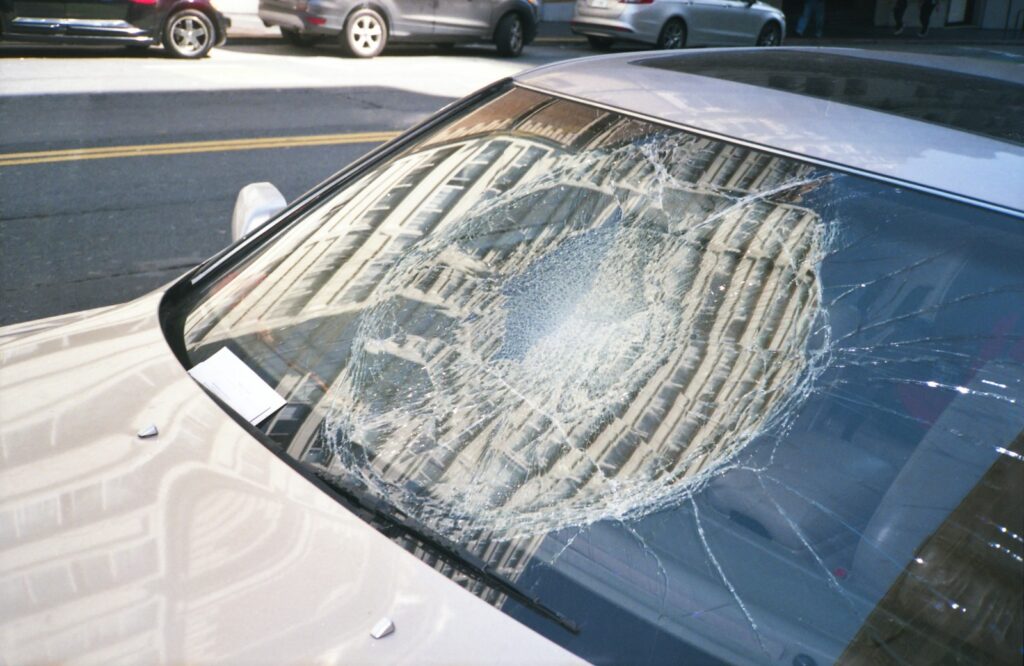
Car owners in hail-prone areas face unique challenges from sudden storms that can dent hoods, shatter windshields, and chip paint. According to Colorado Public Radio, the Denver metro area witnessed a massive hailstorm in 2024. The extent of the damage it caused across Colorado was huge, worth $2 million.
From homes to cars to other structures, everything bore the brunt of the storm. In this situation, car owners can rely on providers offering Colorado paintless dent removal services. Besides seeking help after a disaster, proactive measures can help minimize hail damage and repair costs.
In this article, we will highlight a few practical car care tips that owners in hail-prone areas can implement.
Monitor Weather Forecasts
Checking forecasts daily gives you time to act before hail hits. CNET notes that it is easy to check weather forecasts these days because almost everyone has a smartphone. All you need to do is use a weather app you can rely on. Free apps like NOAA Weather Radar or AccuWeather highlight thunderstorm risks with color-coded maps and push alerts tailored to your location.
Focus on signs, such as rotating clouds or strong wind warnings, as these are common precursors to hail. Even better, you can set notifications for your ZIP code to buzz your phone 20-30 minutes early. Pair this with local TV or radio updates during storm season, and make it a routine to glance at the radar before heading out or parking.
Quick moves to safer spots during warnings prevent most damage without much effort. You can simply develop muscle memory with regular and proactive checks to keep your vehicle safe, regardless of weather risks.
Have a Covered Parking Area
A dedicated covered spot acts as your best constant shield against falling ice. Home garages top the list, but not everyone has one. The National Association of Home Builders states that 65% of newly completed single-family homes in 2024 had two-car garages. Nearly 15% had garages for three or more cars, and 9% had garages for a single car. That means there are still homes with no garages.
If you don’t have a space, build or buy a basic carport with a sloped metal roof to let hail roll off easily. In apartments or offices, ask about reserved indoor parking or use apps to book nearby covered lots ahead of forecasts. Portable shelters that fold out over a driveway work well for renters, unfolding quickly when needed.
There are plenty of options for vehicle owners residing in areas where hailstorms are common. Over time, this setup becomes second nature and saves hassle compared to scrambling during a storm.
Implement Physical Protection Measures
Besides a covered parking space for your car, you can invest in physical protection methods. These simple and cost-effective measures can save you from hefty repair expenses that are needed to address extensive hail damage. The best part is that you can carry them anywhere, so you don’t have to worry about a storm when a covered parking spot is not available.
Layered covers and barriers absorb hail impacts right before a storm arrives. Thick hail blankets or tarps made of heavy-duty foam and nylon deploy over the car in minutes. You need to strap them down tightly with bungees to ensure that they stay put in the wind.
Plywood sheets can be added to the hood and roof for extra padding and secured with weights around the wheels. These absorb the shock of smaller stones, keeping dents shallow or nonexistent. Practice putting them on ahead of time so setup feels easy. You can later store them rolled up neatly in your trunk for instant access.
Invest in Adequate Insurance Coverage
Adequate insurance turns hail surprises into straightforward fixes. According to Bankrate, comprehensive policies that include storm damage are an ideal choice for car owners in high-risk weather zones. While comprehensive coverage is optional, adding it to the collision coverage makes sense.
Add options such as zero-deductible glass repair or rental car coverage for downtime. Before storms ramp up, take photos of your car from all angles to document its condition for claims. Consider it a proactive strategy that can save you from the stress of proving the damages down the line.
Contact your agent yearly to review limits, particularly if you park outdoors often, and pick insurers with mobile appraisers who visit your home. Filing a claim involves simple steps like sharing photos and a storm report, leading to approved repairs without upfront costs at network shops.
Seek Professional Repair Services
Hail damage is inevitable, at least to some extent, if you live in a storm-prone location. Regardless of the precautions you take, your car may sustain a few dents if parked outside. A repair plan should be a part of your strategy as it keeps stress at bay when the worst happens.
Experts handle hail aftermath best, restoring your car to near-perfect shape without unnecessary work. Mile High Dents recommends paintless dent repair (PDR) for the best results. PDR specialists use rods and glue tabs to gently push out dents from inside panels, avoiding paint or filler for a factory finish.
Find certified shops through reviews. Professionals check your car thoroughly to detect imperfections, and finish most jobs in a few days. After repairs, consider a protective ceramic coating to guard against future chips, and always get a written warranty for peace of mind.
FAQs
How to reverse hail damage on a car?
Hail dents reverse best through professional paintless dent repair, where technicians massage the metal back into place from behind the panels. At home, you can try gentle heat from a hairdryer followed by cold packs on very small dings. However, skip this for larger ones to avoid worsening the shape. Pros achieve smooth results without repainting, keeping your car’s original look intact.
Do hail blankets actually work?
Hail blankets work well when properly made and secured. They can cushion impacts to prevent or lessen dents from typical storm sizes. Look for thick, multi-layer models with strong straps that fit your vehicle snugly, avoiding cheap tarps that tear or shift. They buy time and protection during warnings, though no cover stops massive hail completely.
Is it worth repairing hail damage on a car?
Repairing hail damage is worth it to maintain your car’s appearance, safety, and resale appeal over time. Untreated dents can lead to rust or handling issues, while fixes restore smooth surfaces and protect value. Insurance often covers most costs, making professional work a smart choice rather than living with the flaws.
Living in a hail-prone area has its own challenges, particularly for car owners with expensive vehicles they love. Even the smallest hailstones can cause extensive and visible damage to a car left outside without protection. However, owners can do their bit by foreseeing adverse weather and taking proper protective measures to keep their vehicles out of danger. Most importantly, proper insurance coverage and repair plans bring peace of mind.