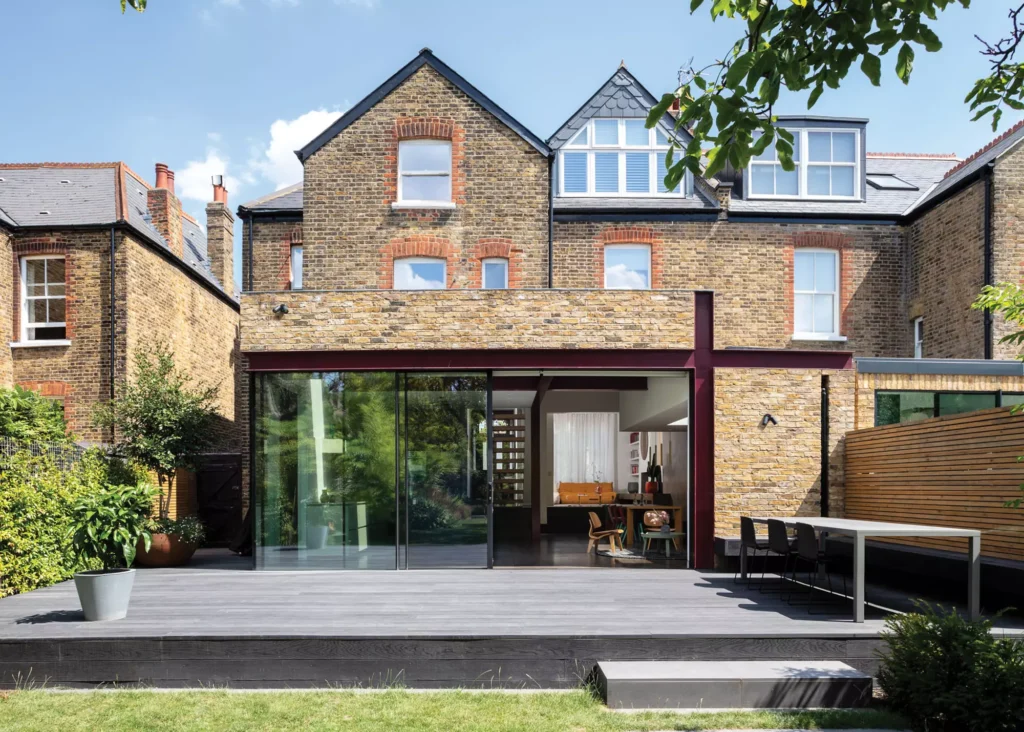
Planning Permission feels like the enemy when you’re trying to get work done on your home. Months of waiting. Council committees. Applications and reviews. But here’s something that surprises most homeowners: some projects never need it. Permitted Development Rights exist precisely for this reason.
Understanding how Permitted Development actually works in London, or learning which types of projects skip the planning stage entirely, helps you see what’s realistic for your timeline. If you want to know more about how Extension Architecture identifies whether your specific project qualifies, or understand what still requires approval even when Planning Permission isn’t needed, you’ll see why clarity upfront saves enormous amounts of stress. The system isn’t designed to block homeowners. It’s designed to let reasonable work happen without unnecessary delays.
The Basic Rules of Permitted Development
Permitted Development sounds like jargon but it’s straightforward in concept. The government decided certain types of building work are reasonable enough that they don’t require planning committee approval.
Your local council still has oversight through Building Regulations. But the planning stage gets skipped.
This saves time. Planning applications take months. Building Regulations approvals usually move faster.
But here’s the catch: Permitted Development has strict conditions. You can’t just assume your project qualifies. The rules are specific. Exceed them and suddenly you need the Planning Permission you were trying to avoid.
Also understand that Permitted Development only removes the planning requirement. Building Regulations still applies. You still need inspections. You still need to meet safety and technical standards. You just don’t need the planning committee’s approval.
When Loft Conversions Don’t Need Planning Permission
Most London loft conversions qualify for Permitted Development. That’s good news for homeowners. It means your timeline moves faster.
Instead of waiting months for planning, you proceed to Building Regulations approval. Which usually takes weeks not months.
But not every loft qualifies. Location matters hugely. If your property sits in a Conservation Area, the rules change. Listed buildings have different requirements. Some areas of London have additional restrictions.
Your specific conversion also matters. The dimensions have to meet criteria. The structural approach has to work within the rules. The conversion has to be designed for the existing roof space without major alterations to the building’s external appearance.
This is why you can’t assume your loft qualifies. An architect needs to assess your specific property and your specific conversion plan.
Single Storey Extensions: Sometimes Yes, Sometimes No
Single storey extensions sometimes qualify for Permitted Development. But conditions are strict and non negotiable.
The extension can’t exceed 4 meters in depth. It can’t cover more than a certain percentage of your original garden. It can’t have specific roof types. The list of requirements is long and technical.
Your location determines a lot too. Conservation Area properties have more restrictions. Listed buildings have even more. Some parts of London have Article 4 Directions that remove Permitted Development rights entirely.
Get one detail wrong and your project goes from Permitted Development to requiring Planning Permission. That changes your timeline significantly.
Why Double Storey Extensions Almost Always Need Planning Permission
Double storey is different. These extensions are too visually prominent. They change your property’s appearance too much. The council wants to review them.
Double storey almost never qualifies for Permitted Development. Planning Permission is required. Full stop.
This is why double storey projects take longer. Planning Permission alone adds 8 to 12 weeks minimum to your timeline. Sometimes longer.
If you’re considering double storey, accept upfront that you’re going through the planning process. Budget time for it. Plan around it.
Conservation Areas and Stricter Rules
London has Conservation Areas scattered throughout. They exist to protect neighborhood character. If your property is in one, Permitted Development gets more complicated.
Loft conversions often still qualify. But single storey extensions might not. The council wants to protect the area’s visual character.
Also, everything in Conservation Areas faces stricter scrutiny. Materials have to fit the existing character. Brick colors matter. Window styles matter. Proportions matter.
An architect familiar with your specific Conservation Area knows what works and what doesn’t. They design accordingly. They avoid applications that will face objections.
Listed Buildings and Special Requirements
Listed buildings are protected. If yours is listed, Permitted Development rights become severely restricted. Almost nothing qualifies without consent.
A listed building loft conversion becomes complicated fast. Extensions need consent. Windows need consent. Even exterior paint color needs approval sometimes.
This sounds like a nightmare. It’s not ideal. But listed status exists because the building has historical or architectural significance. The restrictions protect that.
Working with an architect experienced in listed buildings is essential. They know what’s permitted. They navigate the consent process. They get approvals without wasting months.
What Building Regulations Covers When Planning Doesn’t Apply
This is where people get confused. Permitted Development skips planning. It doesn’t skip Building Regulations.
Your project still needs Building Regulations approval. Still needs inspections. Still needs to meet technical standards.
Building Regulations covers structure. Fire safety. Ventilation. Electrical safety. Plumbing standards. Energy efficiency. These requirements exist whether you needed planning or not.
Building Regulations approval takes time too. Usually 8 to 12 weeks. But it’s typically faster than planning plus building regulations combined.
How Architects Determine What Actually Qualifies
A professional architect doesn’t guess. They assess systematically.
They look at your property first. Conservation Area? Listed? Corner plot? Terraced or detached? These factors determine what qualifies.
They look at your specific project. Dimensions. Depth. Roof type. Garden coverage percentage. These measurements determine whether it meets requirements.
They check with your local authority specifically. Different councils sometimes interpret rules differently. They verify what applies to your situation.
Only then do they tell you whether planning is needed or whether Permitted Development applies.
Common Mistakes People Make
People assume wrong things regularly. One mistake: thinking small projects are always Permitted Development. Size matters but it’s not the only factor.
Another mistake: thinking if your neighbor built without permission, you can too. Your neighbor might have qualified or might have violated rules without consequences.
Another mistake: confusing Building Regulations with Planning Permission. These are separate approvals.
Another mistake: assuming Permitted Development means no regulations. You still need approvals. You still need inspections.
The Timeline Reality
If your project qualifies for Permitted Development, you save months. No planning committee. Just Building Regulations.
That’s the main benefit. Speed. Your project moves faster.
If you need Planning Permission, budget time for it. Eight to twelve weeks minimum. Sometimes much longer.
Getting this sorted accurately from the start prevents surprises. Wrong assumptions mean starting work then discovering you needed permission you didn’t get. That’s a serious problem.
Why Extension Architecture Gets It Right
Extension Architecture knows these rules inside out. They assess your property accurately. They identify what you actually need.
They don’t rush to conclusions. They verify with your local authority. They get it right from the start.
That clarity shapes your entire project. You know your timeline. You know your approvals. You can plan accordingly.