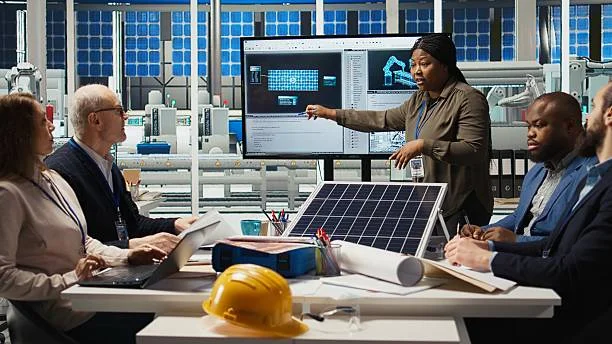
The solar energy sector demands specialized knowledge spanning electrical engineering, project coordination, and regulatory compliance. Professionals entering this field must navigate a complex landscape of photovoltaic technology, grid integration systems, and evolving safety standards. While formal education provides foundational understanding, practical experience distinguishes competent workers from exceptional ones. The pathway from entry-level technician to senior engineer involves strategic choices about certifications, work environments, and technical specializations that will shape an entire career trajectory in renewable energy.
Understand the Core Technologies Used in Solar Energy Systems
Solar energy systems rely on several interconnected technologies that convert sunlight into usable electricity or heat. Photovoltaic panels contain semiconductor materials that generate direct current when exposed to solar radiation. Inverters then transform this DC power into alternating current suitable for grid integration or building consumption.
Solar thermal collectors absorb heat energy for water heating or space conditioning applications. Mounting structures position panels at ideal angles to maximize energy capture throughout the day. Battery storage systems retain excess electricity for use during periods without sunlight.
Charge controllers regulate power flow to prevent battery damage.Monitoring equipment tracks system performance and identifies maintenance needs. Engineers need to know the basic of passive vs active solar energy.
Understanding these components enables professionals to design, install, and maintain efficient solar installations that meet specific energy requirements.
Identify Education Pathways for Entry-Level and Advanced Solar Roles
Entry into the solar industry requires different educational backgrounds depending on the specific role and responsibility level. Installation technicians typically need a high school diploma combined with specialized solar training programs or apprenticeships lasting several months. These entry-level positions provide practical experience in mounting panels and basic electrical work.
Advanced roles demand more extensive credentials. Solar engineers require bachelor’s degrees in electrical, mechanical, or renewable energy engineering. Project managers benefit from engineering backgrounds supplemented with business administration or project management certifications.
Energy analysts need degrees in environmental science, physics, or engineering with strong analytical capabilities.
Professional certifications enhance career prospects across all levels. The North American Board of Certified Energy Practitioners offers credentials validating technical competency, while continuing education guarantees professionals remain current with evolving technologies and regulations.
Develop Technical Skills Required for Solar System Design and Installation
Mastering photovoltaic system implementation demands proficiency in electrical theory, building codes, and safety protocols.
Technical competencies encompass load calculation, circuit design, and proper component sizing to guarantee peak system performance. Practitioners must understand array configuration, inverter selection, and battery storage integration when applicable.
Hands-on installation skills include roof assessment, mounting hardware placement, and weatherproofing techniques. Proficiency with specialized tools such as multimeters, torque wrenches, and thermal imaging cameras proves essential for quality installation work.
Knowledge of electrical testing procedures, including ground fault detection and voltage verification, guarantees system safety and compliance.
Software proficiency in design platforms like PVsyst, Aurora Solar, or Helioscope enables accurate performance modeling and financial analysis.
Understanding local permitting requirements and utility interconnection standards streamlines project completion while maintaining regulatory compliance.
Explore Job Roles Across Residential, Commercial, and Utility-Scale Projects
The solar industry segments into three distinct market tiers, each offering specialized career pathways with unique technical demands and operational scales.
Residential solar positions focus on rooftop installations, requiring customer interaction skills, site assessment capabilities, and residential electrical code knowledge. Installers work with systems typically ranging from 3-10 kilowatts, emphasizing aesthetic integration and homeowner satisfaction.
Commercial solar roles involve larger systems for businesses, schools, and municipal buildings, demanding project management expertise, complex electrical design, and coordination with facility managers. These mid-scale projects range from 50-500 kilowatts.
Utility-scale positions require engineering backgrounds for multi-megawatt solar farms spanning hundreds of acres. Roles include electrical engineers, construction managers, and grid integration specialists managing interconnection studies, power purchase agreements, and large-scale equipment procurement for projects exceeding one megawatt.
Gain Field Experience Through Training, Internships, and Apprenticeships
While academic credentials establish foundational knowledge, hands-on experience remains the critical differentiator in solar career advancement. Training programs offered by manufacturers and industry organizations provide technical competencies in installation techniques, safety protocols, and equipment operation.
Internships with solar companies expose participants to real-world project workflows, from site assessment through commissioning, while building professional networks essential for career progression.
Apprenticeships combine structured learning with paid work experience, typically spanning two to four years under licensed professionals. These programs emphasize practical skills development in electrical systems, mounting procedures, and troubleshooting methodologies.
Regional workforce development initiatives and union-sponsored programs frequently subsidize apprenticeship costs, reducing financial barriers to entry. Accumulating documented field hours strengthens employability and satisfies licensing requirements in jurisdictions mandating verified experience for certification eligibility.
Meet Safety, Regulatory, and Compliance Requirements in Solar Work
Solar installations operate under stringent safety frameworks that mandate compliance with federal, state, and local regulations governing electrical work, construction practices, and occupational hazards.
Workers must adhere to OSHA standards addressing fall protection, electrical safety, and personal protective equipment requirements. National Electrical Code (NEC) provisions specifically govern photovoltaic system installations, establishing protocols for wiring, grounding, and disconnection procedures.
Professionals must obtain appropriate licensing, including electrical contractor credentials and specialized solar certifications where jurisdictions require them.
Building permits and interconnection agreements with utility companies necessitate thorough documentation and inspection compliance. Fire safety codes dictate equipment placement, access pathways, and rapid shutdown capabilities.
Environmental regulations may govern equipment disposal and hazardous material handling. Regular safety training updates guarantee workers maintain current knowledge of evolving standards and best practices across the solar industry.
Plan Long-Term Career Growth Within the Solar Energy Industry
As the solar industry expands rapidly, professionals position themselves for advancement by strategically mapping career trajectories that align with technological evolution and market demands.
Continuous education through certifications, specialized training programs, and industry conferences keeps workers current with emerging photovoltaic technologies, energy storage systems, and smart grid integration.
Shifting from technical roles to project management, system design, or consulting requires developing business acumen alongside technical expertise. Networking within professional organizations like the Solar Energy Industries Association facilitates mentorship opportunities and industry insights. Professionals strengthen their value by acquiring complementary skills in battery storage, electric vehicle charging infrastructure, and building automation systems.
Geographic mobility enhances career prospects, as renewable energy adoption varies regionally. Documenting project portfolios and maintaining professional certifications demonstrates commitment to excellence and qualifies individuals for leadership positions in this rapidly evolving sector.
Explore beyond the basics and uncover content worth your time at Management Works Media.