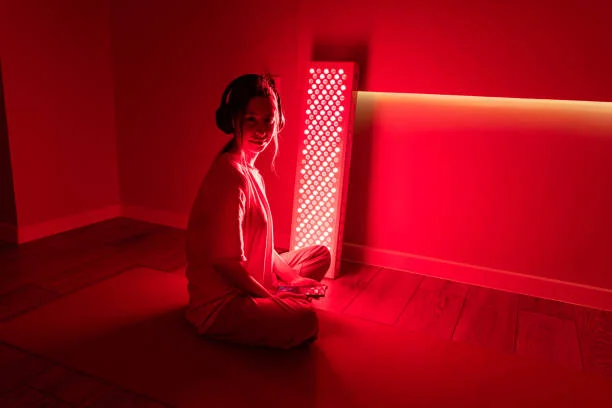
Choosing a red light therapy panel can feel confusing, especially when brands throw around terms like FDA registered, FDA cleared, and medical grade. The reality is that most consumer devices are registered or cleared as low risk wellness or heat lamp style devices rather than fully FDA approved medical treatments, but looking for a device that is at least listed or registered with the agency adds a layer of quality control and traceability.
This guide focuses on larger LED panels and full coverage systems where the manufacturer or independent listings indicate FDA registration or clearance, and where the wavelength mix is designed for real therapeutic use rather than just cosmetic glow. For a broader, non regulatory comparison of many of these brands you can also look at this independent comparison of leading red light therapy panels, which covers performance, power density, and value across the market: independent comparison of leading red light therapy panels.
A quick note before we dive in:
FDA registration normally means the manufacturer and device are listed in the agency database and meet certain labeling and quality system requirements. FDA clearance generally refers to a 510 k process that shows the device is substantially equivalent to a previously cleared device. Neither one guarantees clinical results for every condition. Always treat the claims here as manufacturer representations and not medical advice.
What matters for a multi wavelength FDA linked panel
When you are comparing FDA registered or cleared panels, three things are especially important:
- Wavelength coverage in the proven red and near infrared ranges, usually around 630 to 670 nanometers and 800 to 880 nanometers for most skin and deep tissue applications
- How much of the LED output is concentrated in those evidence supported peaks rather than decorative colors
- Whether the brand actually appears as FDA registered listed or cleared, either in the FDA database or through manufacturer and third party documentation
The brands below are not identical, but each has at least one of those regulatory markers plus a serious approach to wavelength design.
RLT Home
RLT Home’s Total Spectrum series is marketed as clinical grade and FDA registered, with seven distinct wavelengths concentrated in narrow peaks around 480, 630, 660, 810, 830, 850, and 1064 nanometers. The company emphasises that all panels use the same core spectrum so nearly every LED is delivering a wavelength that has human research behind it, rather than filler colors.
Pricing for the Total Spectrum panels typically starts around the mid four hundreds dollars for the Mini and goes up to a little over four thousand dollars for the Elite, with each step up mainly increasing body coverage rather than changing the wavelength mix.
Because the spectrum includes both classic skin focused reds in the six hundred thirties and six hundred sixties plus deep tissue near infrared and a rare one thousand sixty four nanometer band, the percentage of LEDs in therapeutically useful ranges is extremely high compared to simpler dual wavelength designs.
PlatinumLED Therapy Lights
PlatinumLEDs Biomax series is described by the company as an official FDA Class II medical device line, with an FDA registered facility and device listings.
The Biomax panels use a multi wave spectrum that blends several red and near infrared peaks around 630, 660, 810, 830, and 850 nanometers, with a high proportion of LEDs dedicated to these specific peaks instead of spreading power across cosmetic wavelengths.
Prices vary with size, but mid range Biomax panels commonly sit in the upper hundreds to low thousands in dollars or equivalent local currency, placing them in the premium but not extreme tier.
Mito Red Light
Mito Red Light states that its devices are FDA Class II registered and listed as heat lamp style therapy devices, and the brand publishes establishment registration information and device codes.
The popular MitoPRO plus panels concentrate almost all LEDs into four peaks at 630, 660, 830, and 850 nanometers, an efficient mix for skin and deeper musculoskeletal work without wasting diodes on non therapeutic colors.
Pricing for the MitoPRO plus series ranges from roughly the mid three hundreds dollars for a small panel to a little over eleven hundred dollars for a mostly full body setup, with larger modular stacks going higher.
Joovv
Joovv is one of the best known premium panel brands, and independent reviewers and product listings indicate that its devices are FDA cleared or FDA registered as class II light therapy devices rather than unregulated wellness gadgets.
Joovv panels use a simpler dual wavelength design focused on 660 nanometer red and 850 nanometer near infrared, with essentially one hundred percent of LEDs dedicated to these two peaks. That dense targeting makes them efficient if you mainly care about the classic red plus near infrared combo and are less concerned with blue or exotic near infrared bands.
Prices sit firmly in the premium bracket, with a Solo full body panel commonly listed around one thousand seven hundred dollars and larger modular stacks going significantly higher.
BlockBlueLight
BlockBlueLight describes its PowerPanel devices as SAA and CE certified and specifically states that all red light devices are FDA registered or FDA approved for electrical safety and compliance.
The PowerPanel Mega and similar models use multi wavelength technology with red peaks around 630 and 660 nanometers together with near infrared peaks around 810, 830, and 850 nanometers, and they keep the output concentrated in these ranges rather than spreading it thin across many decorative colors.
In terms of cost, the PowerPanel Mega is often seen around one thousand three hundred British pounds or roughly the mid one thousand dollar range, depending on region and promotions.
Infraredi
Infraredi’s own education pages advise buyers to choose a device that is FDA registered and explicitly cite Infraredi as an example of such a product line.
Their full body panels and wraps typically use a five wavelength mix around 630, 660, 810, 830, and 850 nanometers, a dense cluster of clinically active peaks rather than a scattered rainbow.
The Flex Max and Pro series usually fall from the mid hundreds to the high two thousands British pounds depending on configuration and stand options, which places Infraredi among high performance but still home accessible devices.
Vital Red Light
Vital Red Light markets its devices as medical grade and specifically describes them as FDA cleared, with other retailers listing the Vital Pro panel as FDA registered.
The Vital Pro and Premier panels focus almost all LEDs into 660 and 850 nanometer peaks rather than cosmetic wavelengths, so the percentage density of clinically common wavelengths is very high even though the spectrum is more compact than seven wave designs.
Pricing for the Vital Pro panel sits around four hundred dollars for targeted use, with larger professional towers for clinics costing several thousand dollars.
Red Therapy Co
Red Therapy Co appears in FDA registration databases as a listed company, and its RedRush panels are explicitly described in marketing as FDA Class II registered medical devices.
RedRush panels use dual wavelengths at 660 and 850 nanometers with a very high diode count, so essentially every LED is in those two evidence based peaks, resulting in dense photon delivery rather than spread out output.
The RedRush 840 Pulse for example sits around the mid four figures in dollars for a large treatment area, though the company often runs discounts that bring the effective price closer to the low to mid thousands.
Red Light Rising
Red Light Rising’s Advantage 360 light is described by at least one independent source as FDA cleared for over the counter use, and the brand is frequently grouped with Joovv and similar medical grade panels in practitioner articles.
Their Advantage two point zero series panels concentrate power in classic red and near infrared ranges similar to 630 to 660 and 810 to 850 nanometers, and the larger Advantage 900 panel delivers that spectrum across a tall full body footprint, giving a high density of therapeutic wavelengths per square centimetre.
Price wise the Advantage 900 usually runs a little above one thousand British pounds, lining up with other European premium panels.
Bon Charge
Bon Charge, formerly known for blue light blocking products, now sells large red light panels and describes them as using medical grade LEDs with devices referenced by reviewers as FDA compliant and clinically tested.
The Max and Super Max panels use dual peaks at 660 and 850 nanometers and drive them at high intensity so nearly all diode output is in those two proven wavelengths, maximising functional density even though the spectrum is simpler.
Super Max pricing in the United Kingdom typically sits around one thousand three hundred British pounds, comparable to other full body dual wavelength systems.
Sunlighten
Sunlighten is best known for infrared saunas, but it also offers FDA linked light devices. Its dedicated red light therapy mask is explicitly labeled as an LED light therapy product that is FDA 510 k cleared for safety and reliability, and a later full body panel is described as FDA registered in independent coverage.
The panel uses an array of red and near infrared LEDs split evenly between red and near infrared wavelengths, so all diodes are allocated to therapeutic bands instead of filler colors, while the mask adds additional red peaks and includes a deeper near infrared wavelength around 880 nanometers.
Pricing varies by region and bundle, but the mask often appears in the upper four hundreds dollars, while the panel itself is positioned as a luxury wellness investment comparable to high end Joovv tier devices.
Celluma
Celluma is one of the longest established LED phototherapy brands and several of its flexible panels, including the Celluma Home and Celluma Nova, are described as FDA cleared devices for wrinkles, pain, and other indications.
The Nova is a five mode battery powered LED panel that combines multiple wavelengths for hair loss, acne, aging skin, and pain, concentrating its LEDs in proven red and near infrared ranges instead of cosmetic colors.
Pricing commonly sits a little above one thousand British pounds for multi mode panels in the European market.
LightStim
LightStim focuses on targeted professional and home devices, and the company states that all LightStim devices are FDA cleared, with dedicated SKUs for wrinkles, acne, and recovery.
Rather than a single tower panel, LightStim offers arrays and beds that blend multiple wavelengths within the red and near infrared spectrum to match the specific indication, so the density of useful wavelengths is high in each model even if coverage is more localised than a tall panel.
Prices range from a few hundred dollars for handheld or small arrays up to multiple thousands for professional setups, targeting clinics more than casual home users.
Prism Light Pod
Prism Light Pod is a full body bed system positioned for clinics and high end wellness centres. Independent clinic descriptions label it as an FDA registered Class II medical device, which puts it in a different category from generic spa beds.
The bed uses thousands of red and near infrared LEDs arranged to bathe the entire body, with the output concentrated in standard therapeutic wavelengths used in photobiomodulation rather than decorative colors, so almost all the light delivered is functionally useful.
As a professional system it costs many thousands of dollars and is usually purchased by clinics or recovery centres rather than individuals.
Omnilux
Omnilux is better known for LED masks than tower panels, but it is relevant here because its devices are repeatedly described as FDA cleared professional grade tools that use clinically backed red and near infrared wavelengths.
The Contour face mask, for example, uses 633 nanometer red and 830 nanometer near infrared, with all LEDs allocated to those two peaks, giving a very high density of therapeutic wavelengths per diode for facial applications.
Cost typically falls in the mid three hundreds to low four hundreds dollars, positioning Omnilux as a focused skin and beauty device rather than a full body solution.
How to interpret FDA status and wavelength density
When you look at the brands in this list, a few patterns emerge:
- FDA registration or clearance is a useful quality filter, but it does not mean the device is proven for every claimed use
- The best panels concentrate their LEDs into a small set of wavelengths that are repeatedly used in clinical studies, most often around 630 to 670 and 800 to 880 nanometers, so the percentage of useful photons is extremely high
- Multi wavelength systems like RLT Home, PlatinumLED, BlockBlueLight, Infraredi, and some Sunlighten or Celluma devices spread power across several carefully chosen peaks, which can be helpful if you want both surface skin work and deeper tissue support in the same session
Before purchasing, it is worth checking that the specific model you are considering appears in the manufacturer’s own regulatory statements or in the FDA device listing database, since FDA status can differ even within the same brand family.
Finally, nothing here is medical advice. Always discuss red light therapy with a health professional if you have an active condition, implants, or are considering using these devices as a replacement for prescribed treatment. Visit Top 10 Red Light Therapy.
Discover more posts designed to inspire bold thinking and continuous growth.