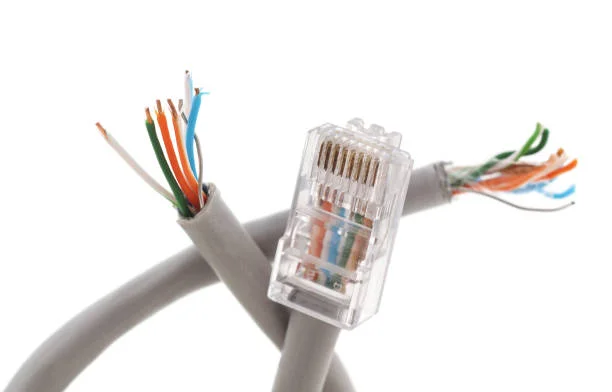
Choosing the right Ethernet cable can shape the performance and cost of an entire network. Many installers and small businesses still rely on Cat5e for a simple reason. It delivers reliable performance without stretching the budget for Cat5e Bulk Ethernet Cables.
In many setups, the goal is not to chase the highest speed possible. The goal is stability, consistency, and smart spending. This is where Cat5e bulk options stand out. They allow flexible installation while keeping overall costs under control.
In this guide, we will explore what makes Cat5e a practical choice, how bulk cables reduce expenses, and what factors you should consider before buying.
Why Cat5e Still Makes Sense
Cat5e has been around for years, yet it remains widely used. It supports speeds up to 1 Gbps and works well for most everyday applications. Offices, small businesses, and even homes can run smoothly on this standard.
Understanding Its Capabilities
Cat5e cables are designed to reduce crosstalk. This means less signal interference and more stable data transmission. For tasks like browsing, VoIP calls, video streaming, and office work, it performs reliably.
Where It Fits Best
Not every network needs advanced categories like Cat6 or Cat6a. In fact, many installations do not benefit much from higher categories due to limited bandwidth usage. For short to medium distances, Cat5e provides an ideal balance.
When installed correctly, Cat5e Ethernet cables can maintain consistent speeds and reduce downtime. This makes them a dependable choice for cost focused setups.
What Makes Cat5e Bulk Cables Cost Effective
Bulk Ethernet cables are sold in large reels, often 1000 feet. This format offers more flexibility during installation and reduces waste.
Lower Cost Per Foot
Buying in bulk reduces the price per foot. This is especially useful for contractors and large projects. Instead of paying for pre-cut cables, you cut only what you need.
Reduced Material Waste
Pre-made patch cables often leave unused lengths. Bulk cables solve this issue. Installers can measure precisely and avoid unnecessary leftovers.
Flexibility in Installation
Bulk cables allow custom routing. This is helpful when working through walls, ceilings, or tight spaces. You can create clean layouts without extra clutter Cat5e Bulk Ethernet Cables.
In large installations, choosing the right type of cable is just as important as managing overall costs. While Cat5e works well for many setups, some environments require higher performance and stricter safety standards.
In such cases, options like bulk Cat6 plenum cable provide better bandwidth and are specifically designed for air handling spaces where fire resistance is critical.
Selecting the right cable type based on the environment not only improves performance but also ensures long term reliability and compliance.
Key Features
Not all Cat5e cables are the same. Some differences can affect performance, durability, and long term value.
Pure copper cables offer better conductivity and durability. Copper clad aluminum is cheaper but less reliable. For professional installations, pure copper is always the safer choice.
Unshielded cables are common and work well in low interference areas. Shielded cables are better for environments with electrical noise. Factories or server rooms may require shielding.
The outer jacket matters more than many realize.
- CM rated cables are suitable for general indoor use
- CMR cables are designed for vertical spaces
- CMP cables are used in plenum spaces where fire safety is critical
Choosing the right jacket ensures safety and compliance with building codes.
Cat5e supports up to 350 MHz frequency. This is enough for Gigabit Ethernet. For most users, this is more than sufficient.
Installation Tips That Save Money
Even the best cable can underperform if installed poorly. A few simple practices can improve results and reduce future costs.
Plan Before You Install
Map out cable routes before starting. This avoids unnecessary drilling and rework. It also helps estimate cable length more accurately.
Avoid Sharp Bends
Bending cables too tightly can damage internal wires. This leads to signal loss. Keep bends smooth and gradual.
Maintain Distance from Power Lines
Running Ethernet cables close to power lines can cause interference. Keep a safe distance to ensure stable performance.
Test Every Connection
Always test cables after installation. This step helps catch faults early. Fixing issues later can be more expensive.
When to Choose Cat5e Over Higher Categories
It is easy to assume that newer is always better. In reality, the right choice depends on actual needs. If cost control is a priority, Cat5e is a strong option Cat5e Bulk Ethernet Cables. It delivers reliable performance without high material costs.
For offices with standard internet usage, Cat5e is more than enough. It handles daily tasks without any noticeable lag. Cat5e performs best within standard Ethernet distance limits. For most buildings, this is not a limitation.
Many networks upgrade over time. Starting with Cat5e allows businesses to build infrastructure without heavy initial investment.
Common Misconceptions
Some believe Cat5e is outdated. In reality, it still supports Gigabit speeds efficiently. Others assume it cannot handle modern applications. This is not true for typical business and home use.
Another misconception is that all cables perform the same. Quality varies based on materials, construction, and manufacturing standards.
Understanding these points helps make better decisions and avoid overspending.
Final Verdict
Cat5e bulk Ethernet cables remain one of the most practical choices for cost effective installations. They offer reliable performance, flexible installation, and lower overall expenses.
For many users, the goal is not maximum speed. The goal is stable connectivity that supports daily operations without issues. Cat5e delivers exactly that.
By choosing the right cable type, buying in bulk, and following proper installation practices, you can build a network that performs well and stays within budget.
Ready to go further? Venture deeper into our latest archives at Management Works Media.