
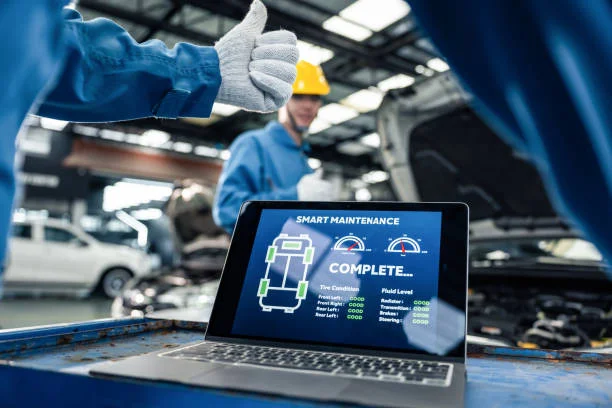
Managing a fleet of vehicles involves moving parts in every sense of the word. From tracking tire rotations to scheduling oil changes and ensuring drivers complete their daily inspections, the logistical load can be heavy. For decades, fleet managers relied on whiteboards Fleet maintenance software, filing cabinets stuffed with paper receipts, and complicated spreadsheets to keep their operations running. While those methods served their purpose, they often left room for error, missed deadlines, and unexpected downtime.
Unexpected breakdowns are the enemy of profitability. When a truck is off the road, it isn’t generating revenue, and the costs of emergency repairs are almost always higher than routine service. This is where technology steps in to bridge the gap between chaos and control.
Fleet maintenance software has emerged as the standard solution for modern logistics. It transforms how businesses care for their assets, moving operations from a reactive “fix it when it breaks” approach to a proactive, data-driven strategy. By centralizing data and automating schedules, this technology allows managers to focus on growth rather than putting out fires. This guide explores how implementing the right digital tools can extend the life of your vehicles, improve safety, and significantly reduce operating costs.
What Is Fleet Maintenance Software?
At its core, fleet maintenance software is a digital platform designed to organize, track, and schedule all maintenance activities for a group of vehicles or equipment. It serves as a central database for every asset you own. Instead of sifting through papers to find out when Truck #402 last had its brakes checked, you can access that history in seconds from a computer or mobile device.
These systems do more than just record history; they predict the future. By inputting mileage or engine hours, the software calculates when the next service is due and alerts the appropriate team members automatically. It connects the dots between drivers, mechanics, and managers, ensuring everyone is working with the same real-time information.
The Shift From Reactive to Preventive Maintenance
The most significant advantage of using fleet maintenance software is the ability to master preventive maintenance (PM). Reactive maintenance—waiting for a part to fail before replacing it—is costly and dangerous.
With a software-based approach, you can set triggers based on specific intervals:
- Time-based: Every 6 months.
- Usage-based: Every 5,000 miles or 500 engine hours.
- Condition-based: Triggered by a fault code from the vehicle’s diagnostic system.
When a threshold is reached, the system automatically generates a notification or a work order. This ensures that routine care is never overlooked because a manager got busy with other tasks. Consistent preventive maintenance keeps engines running cleaner for longer, improves fuel efficiency, and drastically reduces the likelihood of a catastrophic roadside failure.
Keep exploring—this related post uncovers what you haven’t seen yet.
Streamlining Work Orders and Workflow
Communication breakdowns are often just as expensive as mechanical ones. In a manual system, a driver might verbally report a squeaky belt to a mechanic, but if that mechanic is busy, the request might be forgotten until the belt snaps.
Fleet maintenance software digitizes the work order process to close these communication gaps.
Automated Generation
When a preventive maintenance schedule comes due, the system creates a work order automatically. There is no need for a manager to remember the date; the software does the remembering for you.
Real-Time Tracking
Mechanics can view their assigned tasks digitally. As they complete the work, they log their time and the parts used directly into the system. This provides managers with real-time insight into what work is being done, how long it takes, and what it costs.
Digital Inspections
Modern solutions often integrate Driver Vehicle Inspection Reports (DVIRs). Drivers can complete their pre-trip and post-trip inspections via a mobile app. If they spot a defect, like a cracked mirror or low tire pressure, they can upload a photo and flag the issue. This instantly creates a pending work order in the maintenance system, ensuring the defect is addressed before the vehicle hits the road again.
Inventory Management and Parts Tracking
A hidden cost in many fleet operations is poor inventory management. You might be holding thousands of dollars in obsolete parts that no longer fit your current vehicles, or conversely, you might face extended downtime because a critical $20 filter is out of stock.
Fleet maintenance software includes robust inventory management features that help you maintain the “Goldilocks” level of stock—not too much, not too little.
- Automatic Usage Tracking: When a mechanic adds a part to a digital work order, that item is immediately deducted from the inventory count.
- Reorder Alerts: You can set minimum quantity thresholds for critical items. When stock dips below that line, the system notifies you to reorder, ensuring you always have fast-moving parts on hand.
- Warranty Recovery: The software keeps track of part warranties. If a battery fails three months into a two-year warranty, the system will flag it, prompting you to claim a free replacement rather than buying a new one.
Improving Safety and Compliance
Safety is non-negotiable in fleet management. Ensuring your vehicles are safe protects your drivers and the public, and it protects your company from liability.
Regulatory bodies often require strict record-keeping regarding vehicle inspections and repairs. Maintaining these records on paper is cumbersome and prone to loss. Fleet maintenance software creates an unalterable digital paper trail. You can prove exactly when an inspection was done, who did it, and what repairs were performed.
If your fleet is audited, having organized, searchable digital records can turn a stressful week-long ordeal into a simple process of exporting a few PDF reports.
Data-Driven Decision Making
Perhaps the most powerful aspect of this technology is the analytics it provides. When you track every gallon of fuel, every quart of oil, and every hour of labor, you build a treasure trove of data.
Reporting tools allow you to analyze the Total Cost of Ownership (TCO) for every vehicle. You might discover that a specific make and model in your fleet costs 20% more to maintain than others as it ages. Armed with this data, you can make smarter purchasing decisions in the future.
You can also identify trends among your team. If one vehicle goes through brake pads twice as fast as the rest of the fleet, it might indicate a driver who needs coaching on harsh braking habits. The software turns raw numbers into actionable business intelligence.
Selecting the Right Solution
When evaluating options, focus on usability and integration. The best tool is the one your team will actually use. Look for an intuitive interface that doesn’t require weeks of training. Mobile accessibility is also crucial; your drivers and mechanics are rarely sitting at a desk, so they need a tool that moves with them.
Additionally, consider how the system integrates with your existing tools. Does it talk to your GPS telematics system? Can it export data to your accounting software? A seamlessly integrated tech stack reduces data entry and improves accuracy.
Frequently Asked Questions
How does fleet maintenance software help with cost control?
It reduces costs by enforcing preventive maintenance (avoiding expensive emergency repairs), optimizing parts inventory (reducing waste), tracking warranties (getting free replacements), and identifying high-cost vehicles that should be replaced.
Is this software only for large fleets?
No. Small and medium-sized fleets often see a faster return on investment because they have fewer administrative resources. Automating tracking allows a small team to manage a growing fleet without hiring additional office staff.
Can drivers use the software?
Yes, most modern systems come with a mobile app for drivers. This allows them to perform digital inspections (DVIRs), report issues instantly, and view the status of their vehicle’s repairs.
Is cloud-based better than on-premise software?
For most fleets, cloud-based solutions are superior. They allow access from anywhere, require no IT infrastructure to maintain servers, and ensure you always have the latest updates and security patches automatically.
Taking Control of Your Fleet
The transition from manual tracking to a digital system is a significant step toward operational maturity. By implementing fleet maintenance software, you gain visibility into the hidden corners of your operation. You stop guessing about costs and start controlling them. You stop worrying about compliance and start guaranteeing it.
Efficiency isn’t just about speed; it is about consistency and reliability. With the right digital tools supporting your maintenance strategy, you ensure that your fleet is ready to roll whenever business calls.
Dive deeper—explore more stories and ideas handpicked for you at Management Works Media.