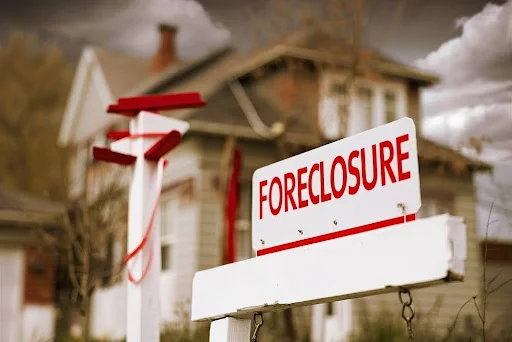
A mortgage account does not change overnight, yet the warning signs often arrive in pieces that look ordinary on the surface. A letter here, a fee there, and daily life continues without much alarm until the situation becomes harder to ignore. Foreclosure does not always announce itself in a clear way at the beginning, which creates confusion for many homeowners.
At some stage, some people only understand the seriousness when the process has already moved forward. This is often the point where they consider whether to file for bankruptcy to stop foreclosure, trying to figure out what went unnoticed earlier. The explanation below breaks down how this happens step by step.
Foreclosure Starts Before It Feels Like It Has Started
The process of foreclosure begins quietly, long before any strong legal notice arrives. Missing one or more mortgage payments is usually the first trigger, but at that stage, most homeowners still expect to catch up soon. The lender marks the account as late, then moves it into internal review stages that are not always visible to the homeowner.
During this time, everything still feels normal from the outside. There is no court action yet, no dramatic notice, and no clear sign that a legal process has already started forming in the background. This gap between internal bank tracking and homeowner awareness is one of the main reasons confusion builds later.
Early Notices Often Do Not Look Serious
Letters That Look Like Regular Billing Updates
The first written notices are often simple in appearance. They may look like standard reminders about payments or account status updates. Important words such as default or escalation may be included, but they are not always noticed or fully understood.
Many homeowners assume these letters are routine financial communication rather than early signals of foreclosure activity. Because of this, they may set the letter aside without realizing its importance.
Missed or Delayed Communication
Mail can be delayed, misplaced, or ignored during busy periods of life. Sometimes notices arrive after key deadlines have already passed. In other cases, digital communication goes unnoticed in inboxes filled with everyday messages. These delays create gaps in awareness that allow the process to continue quietly in the background.
Loan Servicing Changes Create More Confusion
Mortgage loans are often transferred from one company to another. When this happens, communication patterns change. New companies may send notices under different names, and this can create uncertainty about whether the message is important or even legitimate.
Some homeowners continue responding to the old company while the new one is already handling the account. This disconnect leads to missed updates and delayed responses, which can move the account further along the foreclosure path without clear awareness.
Internal Bank Processes Move Faster Than Awareness
Once payments fall behind, lenders do not wait passively. Accounts move through internal stages such as delinquency classification and loss review. These stages are part of the foreclosure preparation process, but they happen inside the lender’s system rather than in public view.
Because these steps are not always communicated clearly, homeowners often do not realize how far the account has progressed. By the time formal notices are issued, several internal steps have already taken place, which makes the situation feel sudden even though it has been developing over time.
Legal Notices Arrive After the Process Has Progressed
Formal foreclosure documents usually appear after internal reviews and warnings have already occurred. This is the stage where the process becomes more visible and structured. However, by this point, important deadlines may already be active.
This timing difference creates the impression that foreclosure has just started, even though earlier phases were already in motion. It is at this stage that some people start exploring whether they should file for bankruptcy to stop foreclosure, especially when they realize how far things have already progressed without clear awareness.
Stress and Delay in Response Add to the Gap
Financial pressure often affects how people handle communication. Some may delay opening letters or avoid calls because the situation feels overwhelming. Others may focus on short-term solutions or a possible settlement without reviewing all notices carefully.
This delay does not stop the process from moving forward. It only widens the gap between what is happening legally and what is being actively noticed. Over time, this gap becomes one of the main reasons homeowners feel surprised when foreclosure becomes more advanced.
Wrapping Up
Foreclosure rarely begins with a single clear moment that signals its start. It develops through multiple stages that are easy to miss or misunderstand. By the time formal action becomes visible, earlier steps have often already taken place.
This is why some homeowners do not realize foreclosure has started until it is already moving forward. The process is gradual, but awareness depends on timing, communication, and attention, which do not always align with how the system actually works.