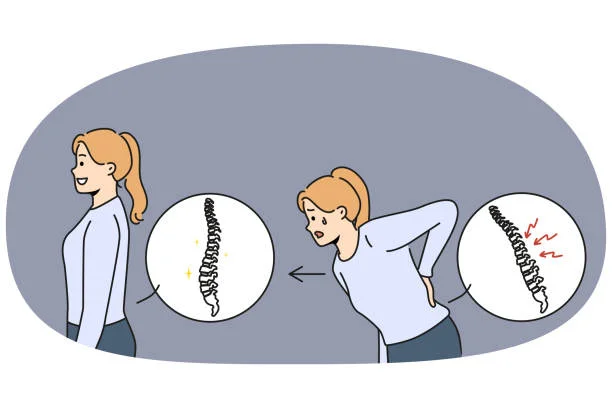
Lower back pain is one of those problems that can quietly disturb almost everything: sitting at work, driving, sleeping, walking, exercising, and even basic daily movement. The good news is that most lower back pain is not caused by a serious disease and often improves with the right care, movement, and lifestyle changes. Still, understanding the cause matters because the way you manage a muscle strain may be different from how you manage pain linked to nerve irritation, posture, periods, or an underlying condition. NHS and Mayo Clinic both note that back pain is common, and simple home care plus proper body mechanics can help many people recover within a few weeks.
What causes lower back pain?
One of the most common causes is muscle or ligament strain. This can happen after lifting something heavy, twisting suddenly, sitting in an awkward position for too long, or overdoing exercise. The pain may feel like stiffness, soreness, tightness, or a pulling sensation in the lower back. Poor lifting technique and lack of regular movement can increase the risk of strain.
Another major cause is poor posture and prolonged sitting. Many people spend long hours at desks, in cars, or looking down at phones. Over time, the muscles around the lower back, hips, abdomen, shoulders, and neck can become imbalanced. This is also why someone searching for a neck pain relief product may also experience lower back discomfort. The spine works as one connected system, so tension in one area can influence another.
Disc-related problems can also cause lower back pain. Spinal discs act like cushions between the bones of the spine. When a disc bulges or presses on a nearby nerve, it may cause pain that travels down the buttock or leg. This is often called sciatica. The pain may feel sharp, burning, electric, or shooting. Sometimes there may also be tingling, numbness, or weakness.
Arthritis and age-related spinal changes may contribute to chronic lower back pain, especially in older adults. These changes can cause stiffness, reduced flexibility, and pain that worsens after long periods of rest or activity. In some people, inflammatory conditions such as ankylosing spondylitis can also affect the lower back.
For women, menstrual cramps can be another reason for lower back pain. Period pain may be felt in the lower abdomen, pelvis, thighs, and lower back. In many cases, heat, rest, gentle movement, and suitable pain relief may help. When choosing any medicine for menstrual pain, it is important to follow the label and speak to a doctor or pharmacist, especially if the pain is severe, new, worsening, or linked with heavy bleeding, fever, unusual discharge, or pain between periods. NHS notes that over-the-counter painkillers may help period pain, but some medicines are not suitable for everyone.
How to manage lower back pain
The first step is to keep moving gently. Complete bed rest is rarely the answer. Light walking, gentle stretching, and normal daily activity as tolerated can help prevent stiffness and support recovery. The goal is not to force painful movement, but to avoid becoming inactive for too long. WHO guidelines for chronic primary low back pain emphasize non-surgical care approaches, including education and exercise-based management.
Use heat or cold therapy. Cold packs may help in the first day or two after a strain, especially if there is swelling or sharp pain. Heat can help relax tight muscles and reduce stiffness. Always wrap hot or cold packs in a towel and avoid applying them directly to the skin.
Improve your sitting setup. Keep your feet flat on the floor, support your lower back, and avoid slouching. Stand up every 30 to 60 minutes, stretch lightly, and change position. A small habit like this can reduce pressure on the lower back and neck. People who spend long hours at screens should also adjust monitor height to avoid leaning forward.
Strengthen the core and hips. Weak abdominal, hip, and glute muscles can make the lower back work harder than it should. Exercises such as pelvic tilts, bridges, bird-dog movements, and gentle yoga may help, but they should be done correctly. If pain increases, stop and seek professional advice.
Lift with care. Bend your knees, keep the object close to your body, avoid twisting while lifting, and ask for help with heavy loads. Sudden twisting under load is one of the easiest ways to trigger lower back strain.
Consider suitable pain relief when needed. Some people may benefit from anti-inflammatory medicines, but they are not safe for everyone. People with stomach ulcers, kidney disease, heart disease, asthma triggered by NSAIDs, blood thinner use, pregnancy, or other medical conditions should consult a healthcare professional before taking them. The same caution applies when selecting any medicine for menstrual pain.
Support recovery with better daily habits. Sleep on a supportive mattress, stay hydrated, maintain a healthy weight, and avoid smoking. Stress can also worsen muscle tension, so relaxation techniques, breathing exercises, and short movement breaks can help. This is where a Reset Life approach can be useful: reset your posture, reset your routine, reset your movement habits, and reset the way you respond to pain’s.
When should you see a doctor?
Seek medical advice urgently if lower back pain’s follows a serious fall or injury, spreads down the leg with weakness or numbness, causes bladder or bowel problems, is linked with fever, unexplained weight loss, or cancer history, or does not improve over time. Very rarely, back pain can signal a serious condition such as infection, fracture, or cancer, so red flags should never be ignored.
Final thoughts
Lower back pain’s is common, but it should not be brushed aside. In many cases, small daily corrections can make a big difference: move regularly, sit better, strengthen gently, lift safely, and use pain relief responsibly. Whether the pain is linked to posture, strain, periods, or muscle tension across the spine, the aim is the same: understand the trigger, manage it early, and support the body before discomfort becomes a long-term problem. A balanced Reset Life routine can help people become more aware of their body, their movement, and their pain patterns, one practical step at a time.