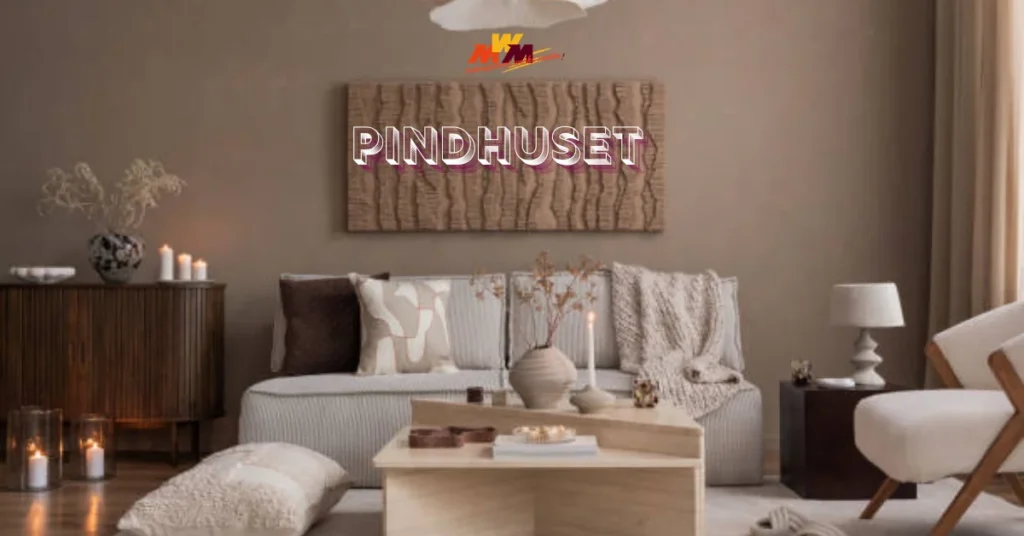
Key Takeaways
- Pindhuset blends Nordic tradition with modern minimalism
- Products are built on sustainable home furnishings principles
- The brand lives by the hygge lifestyle — comfort, warmth, simplicity
- Danish design philosophy drives every product decision
- Strong focus on natural materials furniture and long-lasting quality
- Growing fast as a go-to name in Scandinavian home décor
What People Actually Want When They Search Pindhuset
Most people searching for Pindhuset are not just looking for a product. They want a feeling. They want a home that feels calm. A space that breathes. A place that actually makes them feel good after a long day.
That is exactly what pindhuset design promises to deliver. It sits at the intersection of beauty and function. Nothing is wasted. Nothing is overdone. Every piece has a reason to exist.
Today’s home buyers are tired of fast furniture. They want things built to last. They want eco-friendly home goods that do not cost the earth — literally. Pindhuset answers that call directly.
There is also a cultural pull here. More people globally are discovering Nordic interior style. They are watching Danish films, cooking Nordic food, reading about the hygge principle. Pindhuset fits that moment perfectly.
The Nordic Roots Behind the Brand
Pindhuset is not just a name. In Danish, “huset” means “the house.” The name carries meaning. It signals belonging. It signals home. That is not an accident — it is a design decision made before a single product was ever built.
The brand draws heavily from the Scandinavian Design Movement, a philosophy that took root in the 1950s. That movement had one core belief: great design should be available to everyone. It should be honest. It should be made well. Pindhuset brand identity carries that torch forward.
Nordic craftsmanship is not about fancy finishes. It is about structural integrity. It is about joinery that holds for decades. It is about materials chosen for how they age, not just how they look on day one. That is why natural materials furniture — oak, pine, linen, wool — sits at the heart of every pindhuset collection.
What separates Pindhuset from generic Scandinavian-inspired brands is specificity. The proportions are deliberate. The colors pull from actual Nordic landscapes — fog, stone, bark, ice. Nothing is chosen at random.
How Pindhuset Products Are Built Differently
| Feature | Pindhuset | Fast Furniture Brands | Generic Scandinavian Brands |
|---|---|---|---|
| Material Source | FSC-certified, natural | Composite/MDF | Mixed, unverified |
| Design Lifespan | 15–25 years | 2–5 years | 5–10 years |
| Sustainability Rating | High (Circular model) | Low | Medium |
| Hygge Alignment | Core principle | None | Aesthetic only |
| Craftsmanship Standard | Nordic artisan-grade | Factory-line | Factory-line |
| Repairability | Designed for repair | Disposable | Limited |
This table tells the real story. Pindhuset products are not competing on price. They are competing on value over time. A sofa that lasts 20 years and still looks right is always cheaper than four bad sofas in the same window.
The Circular Economy Design Model is embedded in how pieces are built. Components can be replaced. Finishes can be refinished. This is sustainable home furnishings done with real engineering logic behind it — not just a marketing badge.
Every material decision goes through a lens of longevity. Clean-line furniture design looks simple on the surface. But achieving that simplicity at this quality level is technically demanding. Joints must be precise. Surfaces must be treated correctly. Proportions must be mathematically sound.
Expert Perspective: Why Minimalist Design Wins Long-Term
Interior design experts have tracked a consistent pattern over the last decade. Maximalism peaks. Then people get overwhelmed. Then they strip back. Minimalism always returns — and each time it comes back stronger.
Minimalist living space design is not about owning less. It is about owning better. It is about curation. Pindhuset understands this. The pindhuset online store does not carry hundreds of products. The catalog is tight. Every item earns its place.
Design psychologists tie this to cognitive load. Cluttered spaces raise cortisol levels. Clean, well-organized rooms — especially ones using functional home accessories with soft textures and warm tones — actually lower stress. The hygge lifestyle is not just a trend. It has measurable effects on wellbeing.
Modern Scandinavian aesthetics have also proven remarkably durable in resale contexts. Homes styled with Nordic principles photograph better. They appeal across demographics. They age without looking dated. That makes Pindhuset a smart investment beyond just the emotional appeal.
Inside the Hygge Philosophy — And Why It Matters for Your Home
Hygge (pronounced “hoo-ga”) is a Danish and Norwegian concept. It has no perfect English translation. But the closest is: a feeling of cozy, safe, warm togetherness. It is what good design creates when it works correctly.
Pindhuset builds toward hygge in practical ways. Soft lighting compatibility. Furniture with rounded edges. Textiles that invite touch. Scandinavian living room ideas from Pindhuset always start with: how does this space feel at 7pm, with a candle lit and rain outside?
The hygge principle also pushes back against showroom-style interiors. Spaces should look lived in. Comfortable. Human. Pindhuset’s products are made to welcome actual life — not to be photographed and kept pristine.
Danish design philosophy adds structure to hygge. It asks: is this functional? Is it honest about its materials? Does it fit with everything else in the room without forcing itself? These are the questions Pindhuset designers work through before any product reaches production.
Your Roadmap to a Pindhuset-Inspired Home
Getting the Pindhuset look right does not require a full renovation. It works in stages. Here is how to approach it practically:
Step 1 — Audit Your Space Walk through each room. Identify what creates visual noise. Remove anything that has no function and no real meaning to you. Start with surfaces — clear them completely before adding anything back.
Step 2 — Choose Your Base Materials Build around natural materials furniture. Oak floors or rugs. Linen curtains. Wool throws. These create the sensory foundation that Scandinavian home décor depends on. Avoid synthetics where you can.
Step 3 — Layer With Pindhuset Pieces Start with one anchor piece per room — a table, a chair, a shelving unit. The pindhuset collection is designed so pieces work together naturally. You do not need to overthink combinations.
Step 4 — Apply Hygge Finishing Touches Candles. Soft rugs. Low-level lighting. A few carefully chosen objects — not decorations, but things with stories. This is where the hygge lifestyle becomes tangible in your home.
Step 5 — Edit Continuously Nordic design is not a one-time project. It is an ongoing relationship with your space. Pindhuset’s philosophy encourages regular editing — removing what no longer serves, maintaining what does.
What 2026 Looks Like for Pindhuset and Nordic Design
The trajectory is clear. Scandinavian home décor is moving from trend to standard. What was once a niche aesthetic interest is now the default language of modern home design globally.
Pindhuset is positioned well for this shift. Their investment in sustainable home furnishings aligns with tightening EU sustainability regulations and growing global consumer demand for transparency in product sourcing. Brands that cannot prove their materials story will lose ground fast.
The pindhuset online store experience is also evolving. Expect more AR-based room visualization tools. More personalization. More direct engagement with how pieces work in specific room types and sizes. Digital-physical integration will define the next generation of Nordic interior style retail.
Culturally, the appetite for minimalist living space design will deepen as urban density increases. Smaller homes need smarter furniture. Functional home accessories that do double duty — storage and display, seating and structure — will dominate the pindhuset collection roadmap.
By 2026, brands like Pindhuset that built on authentic Danish design philosophy rather than trend-chasing will have compounding brand equity that newcomers simply cannot buy their way into.
FAQs
Q1: What makes Pindhuset different from other Scandinavian home brands?
Pindhuset goes beyond aesthetics. The brand applies the Circular Economy Design Model to every product — meaning items are built for repair, longevity, and material transparency. Most competitors focus on the look. Pindhuset focuses on the full lifecycle.
Q2: Is Pindhuset furniture actually sustainable?
Yes — and specifically so. Eco-friendly home goods from Pindhuset use FSC-certified wood and traceable natural textiles. Sustainability here is a structural commitment, not a label applied at the end.
Q3: How do I style a room using the hygge principle?
Start with warmth — both physical and visual. Layer natural materials furniture with soft lighting and textiles. Remove visual clutter. The hygge lifestyle is about how a room feels when you are in it at rest, not how it looks in a photo.
Q4: Can Pindhuset work in small apartments?
Absolutely. Clean-line furniture design is inherently space-efficient. The proportions are considered carefully. Scandinavian living room ideas from Pindhuset often focus on multi-function pieces that maximize limited square footage without crowding it.
Q5: Where can I buy Pindhuset products?
The pindhuset online store is the primary channel. The catalog is curated, so availability varies by collection cycle. Checking directly ensures you see current pieces — the brand does not do constant restocks of discontinued lines.