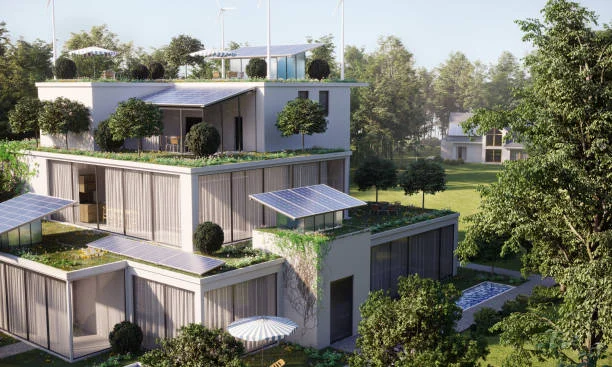
Buying a home in 2026 means looking beyond surface features and focusing on how the entire property performs.
If you are exploring Artesia homes for sale, you will notice that solar panels are common. But solar alone does not define sustainability. A truly eco-friendly home uses less energy, manages resources carefully, and stays comfortable in every season.
To understand what makes a home energy efficient, you need to look at how different systems work together. Energy use, water use, air quality, and long-term resilience all play a role. The homes that stand out today are the ones designed as complete systems, not just collections of upgrades.
What are the features that make a home truly eco-friendly in 2026?
A truly eco-friendly home in 2026 goes far beyond solar panels. It focuses on how energy is used, how resources are managed, and how systems work together to deliver consistent performance. If you are reviewing homes today, especially when browsing Artesia homes for sale, it is important to look at the full picture.
1 Battery storage
Battery systems store excess solar power and make it available when you need it most. This includes evenings, peak pricing hours, and unexpected outages. For homeowners, this adds both convenience and security.
- Keep essential appliances running during outages.
- Use stored energy at night instead of buying from the grid.
- Reduce exposure to peak electricity rates.
- Increase overall control over household energy use.
In areas where grid reliability is a concern, this feature adds clear value.
2 Heat pump systems
Modern eco-friendly homes rely on all-electric systems that deliver consistent performance. Heat pumps move heat instead of generating it, which makes them far more efficient than traditional systems.
Heating and cooling systems improve overall efficiency
- One system handles both heating and air conditioning.
- Lower energy use compared to conventional HVAC systems.
- Quiet operation improves indoor comfort.
- Works well with solar energy systems.
Heat pump water heaters reduce daily energy demand
- Use less energy than standard water heaters.
- Provide reliable hot water for daily needs.
- Lower operating costs over time.
- Support all-electric home design.
These systems are central to what makes a home energy efficient in modern construction.
3 Smart thermostats and zoning systems
Smart controls allow your home to adjust automatically based on your schedule and preferences. Instead of heating or cooling unused spaces, the system focuses only where needed.
- Adjust temperatures based on occupancy.
- Control settings remotely through mobile apps.
- Reduce waste during work hours or travel.
- Maintain consistent comfort in key areas.
4 High-performance windows
Windows play a major role in how a home retains or loses heat. Dual-glazed Low-E windows are designed to reduce heat transfer while allowing natural light inside.
- Maintain stable indoor temperatures.
- Block harmful UV rays that damage interiors.
- Reduce reliance on heating and cooling systems.
- Improve overall comfort in every room.
5 Proper insulation and air sealing
Insulation and air sealing keep conditioned air inside and outdoor air outside. Without this, even the best systems struggle to perform efficiently.
- Reduce drafts and uneven temperatures.
- Lower heating and cooling costs year-round.
- Improve indoor air quality by limiting dust and pollutants.
- Support consistent performance across all systems.
This is one of the most important factors in determining what makes a home energy efficient.
6 Efficient appliances and lighting
Daily activities like cooking, cleaning, and lighting add up over time. Efficient appliances and lighting systems help reduce this ongoing energy use.
ENERGY STAR appliances improve performance and savings
- Use less electricity and water.
- Deliver reliable performance for daily tasks.
- Operate more quietly than older models.
- Lower long-term utility costs.
LED lighting and smart controls reduce waste
- Consume less energy than traditional bulbs.
- Last longer and require less maintenance.
- Include dimmers, timers, and occupancy sensors.
- Adjust automatically based on daylight and usage.
7 Water-efficient systems
Water use is a key part of eco-friendly living. Modern homes are designed to reduce waste without sacrificing comfort.
Water-saving fixtures reduce daily consumption
- Low-flow toilets, faucets, and showerheads.
- Maintain strong performance with less water use.
- Lower monthly utility bills.
- Support local conservation efforts.
Efficient plumbing layouts reduce wasted water
- Deliver hot water faster to fixtures.
- Reduce water lost while waiting for temperature changes.
- Improve overall convenience for daily routines.
- Support consistent water pressure and flow.
8 Sustainable landscaping
Outdoor spaces can use a significant amount of water if not designed carefully. Eco-friendly homes focus on landscaping that matches the local climate.
- Use drought-tolerant or native plants.
- Reduce or eliminate high-maintenance lawns.
- Install drip irrigation systems for targeted watering.
- Adjust watering schedules based on weather conditions.
9 EV-ready features
Electric vehicles are becoming standard, and homes need to support this shift. EV-ready setups make charging simple and cost-effective.
- Install Level 2 charging capability.
- Avoid future electrical upgrades.
- Support faster and more efficient charging.
- Increase property appeal for modern buyers.
10 Smart electrical panels
As homes add more technology, managing energy demand becomes more important. Smart panels help distribute power efficiently.
- Monitor energy use across different circuits.
- Balance demand from appliances, EV chargers, and systems.
- Prevent overload without expensive upgrades.
- Support long-term expansion of home technology.
11 Strong home connectivity
Smart homes depend on reliable internet and internal networks. Without strong connectivity, many efficiency features cannot perform as intended.
- Ensure consistent Wi-Fi coverage in all areas.
- Support smart thermostats, lighting, and irrigation systems.
- Enable remote monitoring and control.
- Improve the reliability of automated systems.
A truly eco-friendly home works as a complete and connected system
The most important takeaway is that no single feature defines sustainability. Solar panels, efficient systems, smart controls, insulation, appliances, landscaping, and connectivity all need to work together.
When these elements are aligned, you get a home that:
- Uses less energy across all activities
- Maintains consistent indoor comfort
- Reduces long-term operating costs
- Supports a more sustainable lifestyle
This integrated approach defines what makes a home energy efficient in today’s market.
Closing Thoughts
Eco-friendly living in 2026 is about making informed choices at every level of your home. It is about how energy is saved, how systems interact, and how your home adapts to daily life. Solar panels are just one part of the equation.
As you explore your options, focus on the full picture. Look for homes that combine efficient systems, smart design, reliable performance, and thoughtful resource use. When all these elements come together, you get more than a house. You get a home that is prepared for the future and built to perform every day.