Have you ever wondered how computers can keep track of so much information so accurately? Think about it: every time you purchase something online or check your bank account, there’s a complex system working behind the scenes.
This is where Digital Ledger Automation comes into play. It’s a fascinating world. Data is organized and managed automatically. This helps us understand big numbers and information without getting lost.
Understanding Digital Ledger Automation
At its core, Digital Ledger Automation involves using technology to manage and record data. Imagine a digital notebook that can automatically log every time you write something down. With the help of computer programs, tasks like tracking sales or managing budgets become much simpler. This kind of technology isn’t just for businesses; schools and even students can benefit from it.
How It Works: The Mechanics Behind the Magic
The process begins with something called data synthesis. This means collecting different pieces of information and combining them to create a clear overview.
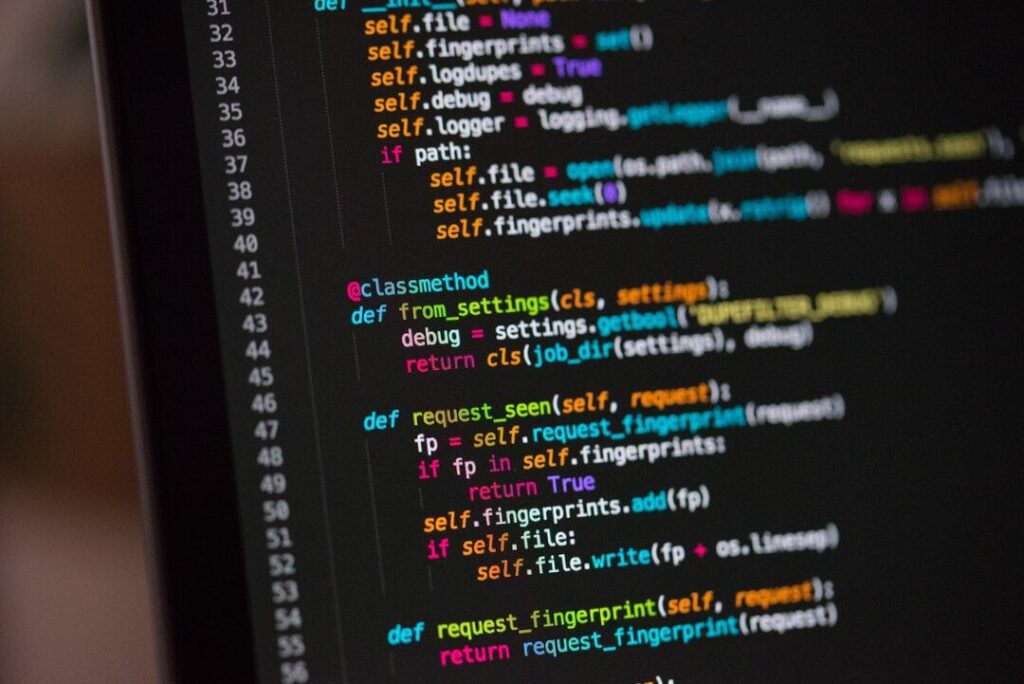
To manage this process, programmers use specific languages like Python or C#. These programming languages help create software that can manipulate data. For example, understanding how to C# write to Excel file programmatically allows a computer to automatically fill in data into an Excel sheet without needing a person to do it manually!
The Importance of Structural Integrity
Now, let’s talk about structural integrity, which is all about making sure that all these operations happen reliably and safely. Just like buildings need strong frameworks to stand tall, digital systems need solid structures to keep data safe and accurate. If a spreadsheet program crashes or a database loses information, it can create major problems.
This is where good design and testing come into play. Engineers and programmers must ensure that their systems can handle errors and still function correctly.
Applying Mechanical Principles
Mechanical engineers use physics to design machines. Similarly, programmers use principles to create software that automates tasks. These principles include:
- Efficiency
- Reliability
- Scalability
Having these principles in mind helps inform how digital ledger systems are built. This is essential because every organization, whether big or small, counts on proper data management.
The Role of Programmatic Frameworks
Programmatic frameworks are like blueprints for constructing software. They provide ready-made structures for coding. This helps programmers focus on creating features instead of starting from scratch.
These frameworks often have libraries that make tasks easier. They help pull information, do calculations, and show results.
For instance, imagine a program that automatically updates a budget spreadsheet every time a purchase is made. With the right framework, programmers can develop this feature quickly, enhancing productivity for everyone who uses it.
Why Automation Matters
Automation, in the context of digital ledgers, means freeing people from repetitive tasks. Instead of spending hours filling in data by hand, a program can take care of that, reducing the risk of errors and saving time.
Just picture how much easier it would be to manage school grades or track lunch costs if a computer could do it all for you. Digital Ledger Automation helps students, teachers, and business owners focus on important decisions. They won’t get stuck in data entry anymore.
Embracing the Future of Data Management
Understanding Digital Ledger Automation is crucial as it shapes how we manage information today. By implementing mechanical principles and utilizing programming frameworks, we create systems that are not only efficient and reliable but also essential in our digital-age tasks. As technology continues to evolve, the ability to manage and synthesize data will only become more important.
For more helpful tips, check out the rest of our site today.