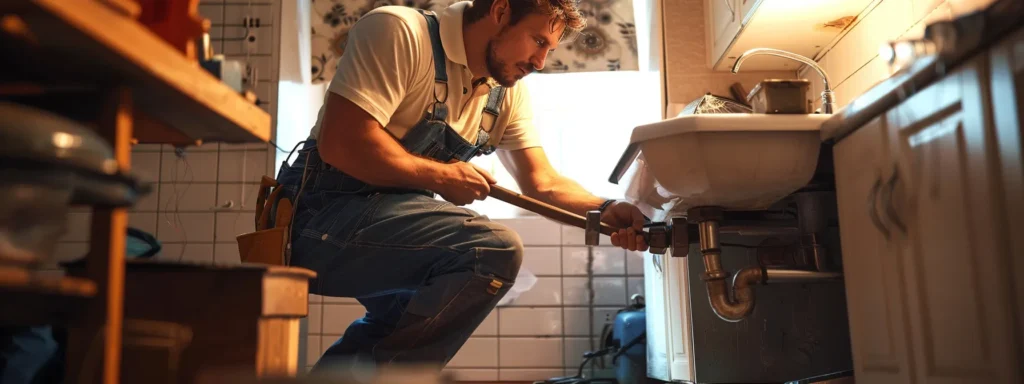
Deciding between hiring a professional plumber and attempting DIY plumbing repairs can be daunting. A misstep in DIY could lead to greater expenses, while professional services guarantee expertise but come at a price. Below, we’ll delve into the factors influencing this decision, from cost to complexity, helping you make the most informed choice for your plumbing needs.
Each option has its pros and cons, with varying implications for time, money, and quality. Understanding these differences is key to avoiding long-term issues and ensuring reliable plumbing in your home. In this article, we break down what you need to consider before grabbing a wrench or the phone.
Weighing the Costs: Professional Plumbers vs. DIY Plumbing Repairs
When it comes to plumbing, your wallet often makes the loudest noise in the decision-making process. Professional plumbers obviously charge for their services, with average rates ranging from $45 to $150 per hour depending on location and complexity of the job. Material costs are separate, which can add up quickly.
On the flip side, DIY plumbing can save on labor costs and provide an opportunity to learn new skills. However, the savings can be deceptive if the repair requires tools you don’t own or if mistakes lead to bigger issues that necessitate professional intervention later—potentially doubling the costs you were trying to avoid.
For budget-conscious homeowners, consider starting with a detailed estimate from a plumber. Compare it to the costs of tools and materials you’ll need for a DIY fix. Don’t forget to account for your time and the potential risk of an error that results in water damage, further inflating your final bill.
Assessing the Risks: When to Call a Professional Plumber
Knowing when to call a professional plumber is as crucial as having the right tools for the job. High-risk situations, such as gas line issues, severe drain clogs that resist basic methods, and any repairs required by law to be performed by a licensed professional, are clear cases where you need to dial a plumber.
DIY approaches are inadequate and could be dangerous when dealing with major leaks, installations that require permits, or complex problems like low water pressure that could indicate systemic issues. A professional plumber brings expertise, special tools, and often guarantees their work—a security blanket worth considering.
Before you decide to tackle a plumbing issue, honestly evaluate your skill level and understanding of your home’s plumbing system. If there’s significant uncertainty or the task is outside your comfort zone, hiring a professional is a proactive way to manage risk and ensure proper functionality. Knowing when to seek help from a plumber near me can save you time and money.
Tools and Techniques: The DIY Approach to Minor Plumbing Fixes
The DIY route can be appropriate for minor plumbing fixes if you’re equipped with the right tools and knowledge. Tasks like changing a showerhead, fixing a leaky faucet, unclogging drains using a plunger, or even replacing components inside a toilet tank are suitable for handy homeowners.
Ensure you have the basics: a good pipe wrench, pliers, a plumber’s snake for clogs, and plumber’s tape for sealing thread connections. An investment in high-quality tools pays off in the long run if you plan to do regular maintenance and small repairs. However, remember that technique is just as important as having the right tool.
For those less familiar with plumbing, online tutorials and how-to guides can offer valuable guidance on basic repairs. Look for reliable resources to learn the correct methods and safety precautions. These resources can help you discern whether you’re capable of handling the task or if a professional should be enlisted.
Making the Right Choice: Factors to Consider Before Attempting DIY Plumbing

Deciding between the DIY route or hiring a plumber should involve a rational assessment of various factors besides cost and risk. Consider the time you can commit to the repair, your level of experience, and the potential need for specialized tools that you may not have at your disposal.
Moreover, think about the longevity and quality of the fix. A professional plumber not only corrects the immediate issue but also identifies any underlying problems that could cause future headaches. The warranty on their work and the peace of mind knowing that your plumbing meets industry standards could be worth the extra outlay.
Finally, local codes and regulations play a significant role. Certain repairs require inspections and permits that only licensed professionals can navigate. Understanding the legal requirements and the implications of not complying could sway your decision towards hiring an expert.
Overall, your decision to engage a professional plumber versus a DIY approach should be influenced by the complexity of the job, potential for cost savings, your confidence in your skills, and the legal requirements surrounding the work. In cases of significant uncertainty or high risk, professional expertise typically outweighs the lure of cost savings. Weigh your options carefully, consider the long-term impact, and make a decision that ensures the safety and reliability of your home’s plumbing system.