Vehicle accidents are an unfortunate but common part of modern life. Whether it’s a minor fender bender in traffic or a more serious collision, the damage to a vehicle can range from cosmetic dents to major structural issues. Professional collision repair and auto body services play a crucial role in restoring damaged vehicles to their original condition, ensuring safety, performance, and appearance. Understanding how these services work can help car owners make informed decisions when their vehicles require repairs after an accident.
Understanding Collision Repair and Auto Body Services
Collision repair refers to the process of restoring a vehicle after it has been damaged in an accident or impact. Auto body services focus on repairing the exterior structure of the car, including panels, bumpers, frames, and paintwork. These services are designed not only to improve the appearance of a damaged vehicle but also to restore its safety features and structural integrity.
Professional repair shops use specialized tools, equipment, and techniques to repair or replace damaged parts. Skilled technicians inspect the vehicle thoroughly to identify both visible and hidden damage. This comprehensive evaluation ensures that every issue caused by the collision is properly addressed before the vehicle is returned to the owner.
Common Types of Damage After a Collision
After an accident, vehicles may experience several types of damage depending on the severity of the impact. One of the most common issues is body panel damage, which includes dents, scratches, and cracks in the car’s exterior. Bumpers and fenders are particularly vulnerable during minor collisions.
More serious accidents may cause frame damage, which affects the structural integrity of the vehicle. A damaged frame can impact the alignment of the car and compromise safety features. In addition, accidents may damage headlights, mirrors, doors, or internal mechanical components.
Paint damage is another frequent issue. Scratches, chips, and peeling paint can reduce the visual appeal of a vehicle and expose metal surfaces to rust and corrosion. Professional repair services ensure that both cosmetic and structural problems are properly resolved.
The Collision Repair Process
Professional collision repair follows a systematic process to ensure accurate and safe results. The first step typically involves a detailed inspection of the vehicle. Technicians evaluate the extent of the damage and prepare a repair estimate that outlines the necessary work.
Once the estimate is approved, the repair process begins with disassembly of the damaged areas. This allows technicians to identify hidden damage that may not be visible during the initial inspection. After assessing all affected components, the repair team begins the restoration process.
Frame straightening is often performed when structural damage occurs. Using specialized equipment, technicians carefully realign the vehicle’s frame to its original specifications. Damaged parts may then be repaired or replaced, depending on their condition.
Importance of Frame Alignment and Structural Repair
The frame of a vehicle is its foundation, providing structural support and ensuring that all components function properly. When a collision affects the frame, it can compromise the vehicle’s stability, handling, and safety. This is why frame alignment is one of the most critical steps in the collision repair process.
Professional auto body shops use advanced measuring systems to compare the damaged frame with factory specifications. If the frame is misaligned, technicians use hydraulic tools and computerized systems to restore it to its original shape. Proper alignment ensures that the vehicle drives safely and that other components, such as suspension and steering systems, operate correctly.
Ignoring frame damage can lead to long-term issues such as uneven tire wear, poor handling, and reduced crash protection in future accidents.
Auto Body Repair and Panel Replacement
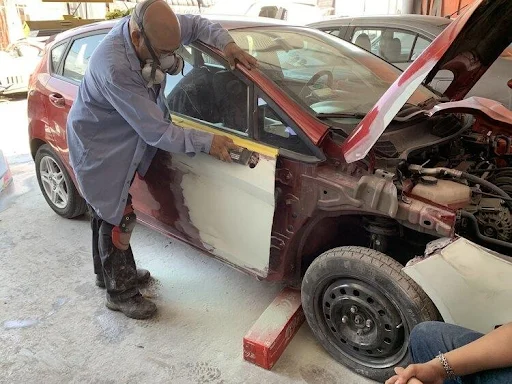
Once structural repairs are completed, technicians focus on restoring the vehicle’s exterior. Auto body repair involves fixing dents, reshaping damaged panels, and replacing components that cannot be repaired. This process often requires a combination of specialized tools and expert craftsmanship.
Technicians may use techniques such as paintless dent repair for minor dents that have not affected the paint surface. For more severe damage, panels may need to be removed and replaced entirely. After the repairs are completed, the surface is carefully prepared for painting.
Proper surface preparation is essential for achieving a smooth and durable finish. Technicians sand the repaired areas, apply primer, and ensure that the surface is perfectly even before moving on to the painting stage.
Professional Auto Painting and Finishing
Painting is one of the most visible aspects of collision repair. Professional auto body shops use advanced paint-matching technology to ensure that the new paint blends seamlessly with the existing color of the vehicle. This process involves analyzing the car’s original paint code and adjusting the color mixture to achieve a perfect match.
Once the paint is applied, technicians add a clear protective coat that enhances the shine and durability of the finish. The vehicle is then polished to create a smooth and glossy appearance.
Modern paint systems are designed to be both durable and environmentally friendly. High-quality finishes not only restore the vehicle’s appearance but also protect it from weather conditions, UV rays, and corrosion.
The Role of Technology in Modern Collision Repair
Technology has significantly improved the efficiency and accuracy of collision repair services. Many modern repair facilities use computerized diagnostic systems to identify hidden damage and ensure precise repairs. Digital measuring tools help technicians restore vehicles to manufacturer specifications.
Advanced welding equipment and laser alignment systems allow technicians to perform complex structural repairs with high precision. These technological advancements help reduce repair times while maintaining the highest safety standards.
In addition, repair shops often use computerized paint-matching systems to ensure consistent and accurate color results. These tools help achieve a professional finish that looks identical to the vehicle’s original paint.
Choosing the Right Collision Repair Shop
Selecting the right repair shop is an important step in ensuring high-quality results after an accident. Vehicle owners should look for repair facilities with certified technicians, modern equipment, and positive customer reviews. Experience and industry certifications can indicate that a shop meets professional standards for quality and safety.
Location and specialization may also influence the choice of repair shop. For example, individuals searching for reliable collision repair los angeles services may benefit from choosing experienced professionals who understand local vehicle repair regulations and insurance procedures.
A reputable repair shop should also provide clear repair estimates, communicate openly with customers, and work with insurance companies when necessary. Transparency and professionalism are key indicators of a trustworthy service provider.
Maintaining Your Vehicle After Collision Repair
After a vehicle has been repaired, proper maintenance is important to ensure long-term performance and appearance. Car owners should follow any recommendations provided by the repair shop, including waiting periods before washing or waxing newly painted surfaces.
Regular inspections can help identify potential issues early. Checking tire alignment, monitoring unusual noises, and maintaining routine vehicle servicing can help preserve the results of the repair work.
Keeping the vehicle clean and protected from harsh environmental conditions can also help maintain the quality of the paint and bodywork over time.
Conclusion
Professional collision repair and auto body services are essential for restoring vehicles after accidents and ensuring they remain safe to drive. From structural repairs and frame alignment to panel restoration and precision painting, each step in the repair process requires skill, expertise, and advanced technology.
By understanding how collision repair works and choosing a reputable repair facility, vehicle owners can ensure that their cars are restored to both their original appearance and safety standards. Proper repairs not only enhance the look of the vehicle but also protect its long-term value and reliability.
When handled by experienced professionals, collision repair services can bring a damaged vehicle back to life, allowing drivers to return to the road with confidence and peace of mind.