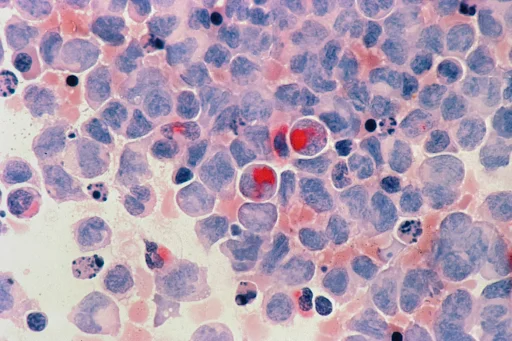
It’s not always until you or your family is facing a scary cancer diagnosis that you come to terms with what it is, what causes it, the symptoms, and the outcome. Mesothelioma is a good example of that. Unless you’re familiar with asbestos and its risks, this form of cancer is so rare that it likely won’t enter your everyday discussions.
However, if you or a loved one receives a mesothelioma diagnosis, having a good understanding of this disease is crucial for knowing the best steps to take. Keep reading to learn more:
What Is Mesothelioma?
You’ll quickly realize why so many people obtain compensation for mesothelioma when you learn what this form of cancer is and how it typically develops. Mesothelioma is a rare, aggressive form of cancer that develops in the lining of your organs, called the mesothelium. In most cases, it develops in the lining of the lungs but can also occur in the abdomen, heart, and testes. Its primary cause is inhaling asbestos fibers, typically from exposure in construction, manufacturing, and insulation industries.
While rare, over 2,500 people are still diagnosed with mesothelioma every year, with most new cases being in men over the age of 65 with a history of asbestos exposure. Over 30% of cases are also veterans. This illness has a long latency period, which means it typically appears up to 50 years after the asbestos exposure.
Mesothelioma Symptoms
The symptoms of mesothelioma depend on its location. It’s most commonly found in the lungs, known as pleural mesothelioma, so the symptoms tend to relate to the lungs:
- Shortness of breath
- Chest pain
- A persistent, dry, or wheezing cough
- Fatigue
- Weakness
- Difficulty swallowing
- Unexplained weight loss
- A hoarse voice
- Lumps under the skin on the chest
People diagnosed with peritoneal mesothelioma typically experience different symptoms, including:
- Loss of appetite
- Weight loss
- Nausea
- Vomiting
- Abdominal pain and swelling
- Bowel habit changes, such as diarrhea or constipation
- Feeling of abdominal fullness
Those diagnosed with pericardial mesothelioma of the heart may experience heart palpitations, murmur, or heart failure symptoms, while testicular mesothelioma generally causes scrotal lumps or swelling.
What Does Diagnosis Look Like?
Experiencing unusual symptoms is scary, which is why you should always visit a healthcare professional if you experience any of the symptoms above. Once you see your doctor, the process of receiving a mesothelioma diagnosis can involve several steps.
- Undergo a physical exam and have your medical history reviewed, especially related to asbestos exposure.
- Receive imaging tests, such as chest X-ray, CT scan, and PET scan, to identify any fluid buildup or pleural thickening. Imaging scans are also required to detect tumors, assess spread, and evaluate the potential efficacy of surgery.
- Undergo a fluid analysis if fluid buildup is found, so it can be tested for cancer cells.
- Receive a biopsy in the form of a thoracoscopy, with a camera inserted between the lung and chest wall to take samples, a needle biopsy of a tumor for a tissue sample, or an endobronchial ultrasound as a less invasive option.
- Have blood taken to look for biomarkers that suggest mesothelioma.
While your general healthcare provider can order such tests, it’s often advised that they be evaluated by specialists in experienced centers.
Mesothelioma Treatment Options
For most people, there’s no cure for mesothelioma. This cancer spreads quickly, and it’s often diagnosed after surgery can remove it. However, your healthcare team can discuss the remaining treatment options.
These may include:
- Surgery to remove the cancer or alleviate symptoms, such as reducing fluid buildup, removing tissue around the lungs, or removing a lung
- Chemotherapy to treat large areas before surgery
- Hyperthermic intraperitoneal chemotherapy (HIPEC), which is heated chemotherapy medicines inserted into the belly cavity to treat peritoneal mesothelioma
- Radiation to kill cancer cells left after surgery or to shrink cells before surgery
- Immunotherapy to help your immune system kill cancer cells
- Targeted therapy that uses medicines to attack chemicals in cancer cells
- Clinical trials
Receiving a mesothelioma diagnosis can be scary, especially if you’ve never heard of this form of cancer. However, knowledge is power. The more you know about it, the more control you have over the steps you wish to take, including treatment options and compensation from those responsible.
Our featured post brings you standout insights worth your attention at Management Works Media.