
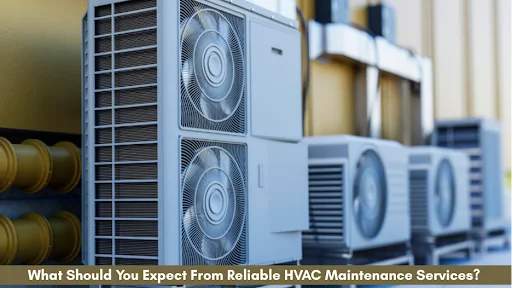
Maintaining your heating and cooling system in good shape can soon become a stressful factor as the temperature rises and falls, and the utility bills continue to soar.
You may experience uneven airflow, strange sounds, or extended periods of running, which naturally raise concerns regarding the expensive repairs. Additionally, unforeseen failures are quite frequent during peak season, which puts you in discomfort, needing quick fixes. In most cases, these issues do not occur instantly, but rather they build up due to neglected maintenance.
However, regular professional HVAC maintenance is a practical way of eliminating such inconveniences. A professional checks the key parts, resolves the small issues in time, and optimizes the performance through scheduled professional care to ensure higher efficiency. This way, your system becomes more reliable and consumes less energy.
Moreover, frequent service also helps to increase the life of equipment and maintain a consistent indoor comfort. This article outlines six distinct expectations you can have from a reliable HVAC maintenance service.
1. Thorough System Inspection with Emphasis on Performance
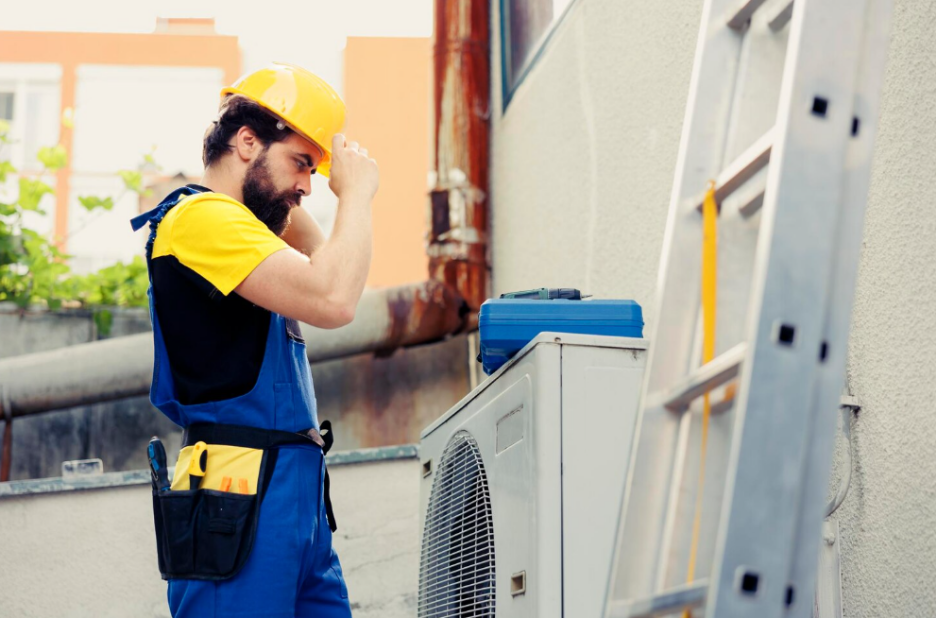
Whenever you plan to have your HVAC system regularly maintained, expect to have your entire system thoroughly checked. First, technicians can check the overall state and find out worn-out parts, potential failures, and the efficiency gaps that influence the comfort level.
Moreover, they inspect ductwork, heating and cooling parts, and check the air flow as part of professional heating and air conditioning services. Consequently, there is a balance in performance throughout your house. This process also helps in detecting poor airflow, abnormal cycling, or unbalanced temperatures among rooms.
In addition, the technicians check startup and shutdown sequences to ensure they are functioning correctly. They also inspect corrosion, vibration, and premature mechanical wear.
Lastly, findings are documented to establish performance benchmarks. Thus, minor inefficiencies can be repaired promptly to avoid expensive fixes in the future.
2. Cleaning and Airflow Optimization for Better Efficiency
Reliable maintenance of HVAC systems always involves cleaning of key elements to enhance performance and air flow. With time, dust, debris, and accumulation inside filters, coils, and fans limit the amount of circulation and cause your system to operate more than necessary.
This extra load, in turn, causes higher consumption of energy and decreases the effectiveness of equipment in the long run. Thus, professional cleaning can restore the airflow volume and ensure a stable temperature in every room.
Additionally, the technicians check blower assemblies, evaporator coils, and condenser units to eliminate dirt that obstructs the necessary heat exchange. Clean components are also better at transferring heat, thus minimizing operational stress.
Furthermore, adequate airflow enhances humidity and supports a better quality of indoor air. Thus, these enhancements result in reduced utility bills and more stable indoor comfort during seasonal changes.
3. Component Testing and Calibration to Prevent Future Problems
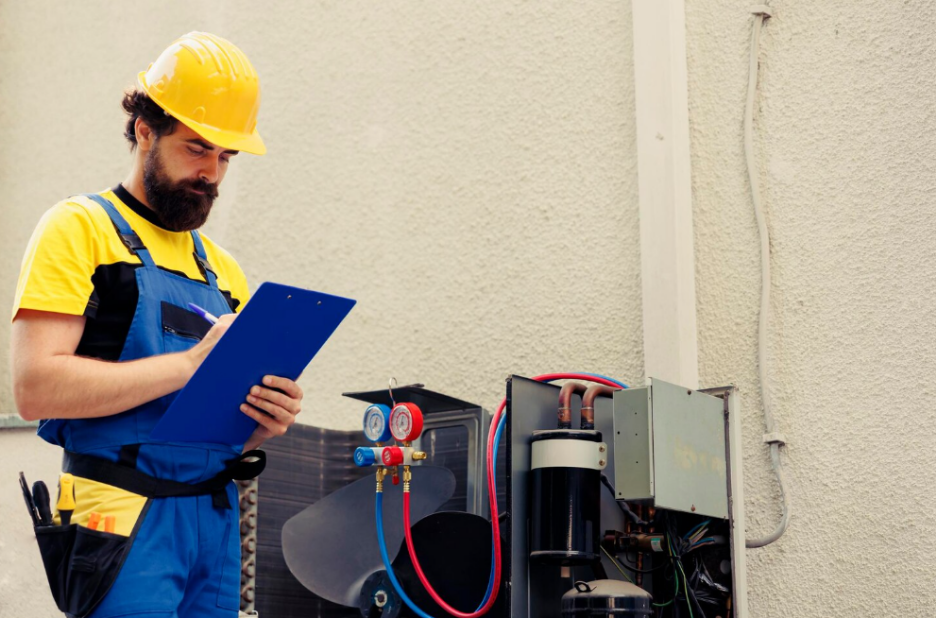
Expect to have a comprehensive testing and calibration of electrical and mechanical components during each maintenance visit. In this process, technicians examine the wiring connections, safety controls, capacitors’ performance, and the thermostat accuracy so that the system reacts properly to the temperature requirements.
In addition, minor calibration problems are not obviously apparent, but can slowly add to the consumption of energy and decrease the overall reliability. As a result, the performance becomes inconsistent in the long term due to unresolved imbalances.
Moreover, the level of refrigerant is monitored and adjusted where necessary to achieve the best cooling performance. Meanwhile, safety controls are also tested to ensure that they are activated properly under abnormal conditions. Wear of motors, belts, and contactors is also checked to avoid sudden breakdowns.
Consequently, such thorough assessments contribute to the effectiveness, safety, and reliability of your HVAC system to work well under varying weather conditions.
4. Replacement of Filters and Key Wearable Parts
Air filters are important to guard the internal parts of the HVAC against dust and airborne particles. Thus, during regular maintenance, the filters are closely checked and are replaced in case of necessity to ensure even air flow and efficient performance.
However, neglected filters may limit the circulation, strain the blower motors, and steadily decrease the quality of indoor air. This leads to a decline in the overall performance of the system.
Besides filter checks, technicians check the belts, bearings, and other wearable components, which deteriorate with time. Replacing them before they break down ensures smooth functioning and minimizes the risks of emergency repair.
Consequently, this preventive strategy strengthens long-term reliability and extends the service life of major equipment such as furnaces, heat pumps, and air conditioning units.
5. Professional Diagnostics to Spot Hidden Issues Early
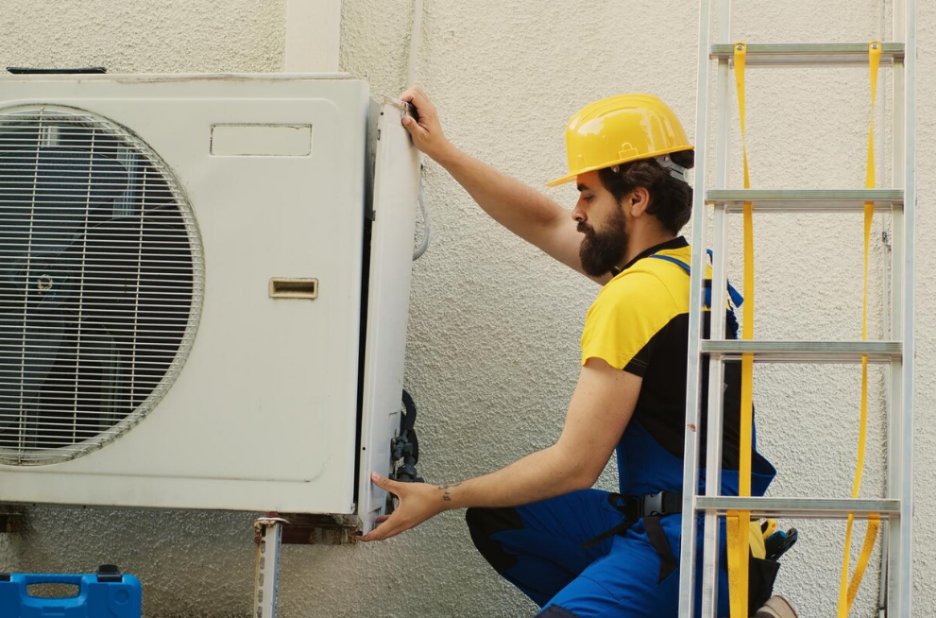
Reliable maintenance services involve advanced diagnostic tools that uncover problems not visible during basic inspections. For instance, technicians may use airflow meters, thermal imaging devices, or electrical testing equipment to detect imbalances and irregularities within the system.
As a result, these diagnostic procedures provide deeper insight into performance trends and hidden mechanical stress that could otherwise go unnoticed.
For example, diagnostics can reveal duct leakage, inefficient cycling, or pressure irregularities that directly impact system efficiency. Consequently, identifying these concerns early allows for timely corrective action before they escalate into larger system failures.
Overall, this analytical approach reduces uncertainty and ensures your HVAC system operates within recommended performance standards throughout its lifespan.
6. Clear Communication and Maintenance Recommendations
Professional HVAC maintenance should always include clear explanations of findings and completed work. In addition to performing technical tasks, technicians take time to walk you through inspected components, replaced parts, and system adjustments carried out during the visit.
As a result, this transparency helps you understand the current system condition and recognize any potential risks that may require attention before they escalate into costly repairs. Moreover, documented service notes provide a reliable reference point for future appointments.
Additionally, you can expect practical recommendations regarding future service intervals, part replacements, or efficiency improvements. In many cases, these suggestions are prioritized based on urgency, helping you address immediate concerns first while planning for longer-term upgrades.
Furthermore, these recommendations are typically based on system age, usage patterns, and observed wear. Therefore, they reflect actual performance data rather than assumptions. Overall, clear communication empowers you to plan ahead financially and technically, ensuring long-term comfort without unexpected disruptions or avoidable repair expenses.
Bottomline
Your HVAC system supports indoor comfort every season. However, without regular maintenance, efficiency slowly drops, and repair costs can rise without warning. Small issues often go unnoticed, and over time, they lead to larger mechanical failures.
Reliable HVAC maintenance services provide structured inspections, detailed cleaning, precise calibration, and accurate diagnostics. In addition, clear communication keeps you informed about system condition and future needs. As a result, minor problems are resolved early, and overall performance remains stable.
Moreover, when you know what to expect, you can schedule service with confidence. Consequently, your comfort, safety, and system lifespan remain consistently protected year after year.