When your air conditioner struggles on a humid afternoon, discomfort builds fast. Rooms cool unevenly. Energy bills increase without notice. Meanwhile, strange sounds or poor airflow raise the question of whether a breakdown is imminent. In many homes, aging systems operate inefficiently for many months before final failure. As a result, small problems tend to become costly repairs.
At the same time, the decision between central and ductless systems may be overwhelming. Each option has different efficiency ratings, requirement setup, and long-term performance factors. Therefore, it is crucial to understand how professional service contributes to both systems.
This article explains what expert air conditioning support includes, how it protects your investment, and what to expect from central and ductless system care.
1. Comprehensive System Evaluation and Accurate Diagnosis
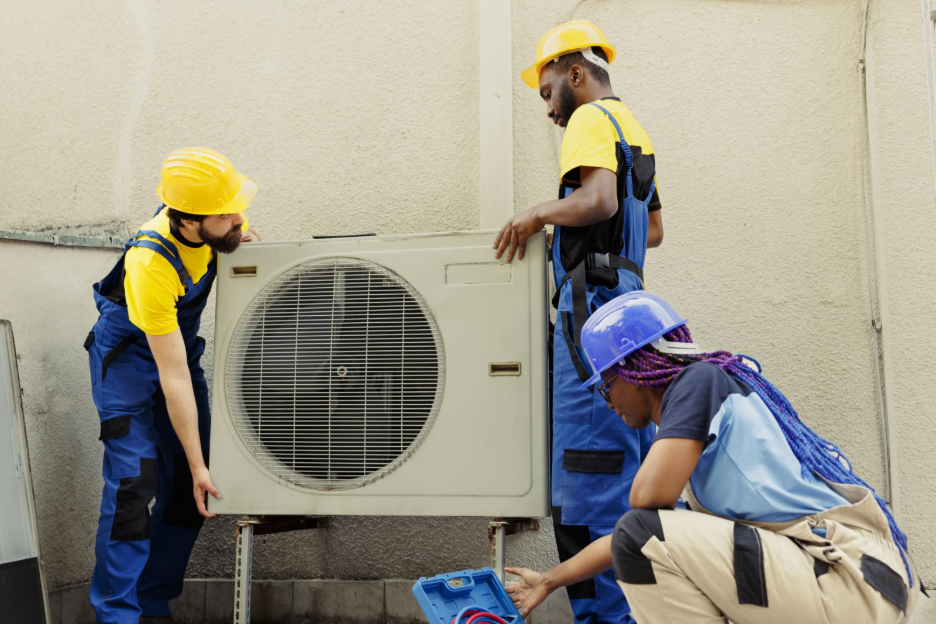
Professional air conditioning services begin by taking a full system evaluation and not a quick look. Because the modern HVAC system is complex, proper diagnosis requires a judicious process of testing and accurate measurement.
First of all, technicians check the refrigerant level and look for leaks. Low Refrigerant will diminish cooling power, leading to the compressor being stressed. Next, they test electrical parts to make sure capacitors, contactors, and wiring operate safely. Then, they measure airflow in order to detect blockages, duct leaks, or blower motor issues.
For the installation of central systems, duct condition is critical. Leaky or poorly insulated ducts waste cooled air and increase energy costs. In contrast, ductless systems need inspection of each of the indoor units to ensure balanced cooling.
Moreover, trained people see beyond the immediate problem. They review the age of the system, the SEER rating, and general wear. As a result, you receive well-defined information on whether repair or replacement is a good long-term value proposition.
2. Professional Installation for Long-Term Performance
Even a high-efficiency air conditioner will not work as well if it is installed incorrectly. Therefore, professional installation is more than simply placing equipment. It ensures proper functioning of the system from day one.
For central air systems, sizing should be correct. Oversized units cycle too often, causing humidity problems as well as temperature variations. Undersized systems, on the other hand, are in continuous operation and wear quickly. Skilled technicians conduct load calculations to determine a suitable capacity for your home.
In addition, duct design should accommodate proper airflow. Poor duct layout limits duct circulation and decreases duct efficiency. As such, installers verify static pressure and make the necessary adjustments to the ductwork.
Ductless mini-split systems also need careful setup. Indoor units should be positioned strategically in order to distribute air evenly. In addition, refrigerant lines must be properly sealed and insulated in order to safeguard reliability.
Because installation has an effect on system life, any expert workmanship ensures stable cooling, higher efficiency, and reliable operation for years.
3. Preventive Maintenance That Protects Efficiency
Regular maintenance helps to reduce sudden breakdowns and also ensures the life of the equipment. Although your system may appear to be fine, inside parts gather dust and wear out after a period of time. Without service, efficiency gradually decreases.
Preventive care may involve cleaning condenser coils, monitoring refrigerant pressure, oiling moving parts, and checking electrical connections. These steps restore the performance and reduce the strain on the key components.
For central systems, the technicians also inspect the performance of ducts and filters. Dirty filters restrict the airflow and increase energy consumption. Therefore, it is still essential to replace or clean applicable filters for indoor comfort.
Ductless units are a necessity to clean the indoor coils and drain. Since these systems do not require ducts, clean air systems provide immediate support for air quality and cooling performance.
Moreover, priority service and possible cost savings are available through scheduled maintenance. As a result, preventive care redirects your focus from repairing a system in an emergency situation to maintaining your systems in a planned fashion.
4. Energy Efficiency Optimization and Cost Control
Cooling systems use a large share of household energy. Therefore, improving efficiency can lower monthly expenses.
Professionals review system performance to identify inefficiencies. For example, short cycling may signal thermostat issues or improper sizing. Likewise, uneven cooling may indicate airflow imbalance or duct leaks.
In addition, upgrading to a high-efficiency model can reduce operating costs. Modern systems include advanced compressors, variable-speed motors, and smart thermostats that adjust output based on demand. As a result, energy waste decreases while comfort improves.
Ductless systems offer zone control, which adds another advantage. You can cool specific rooms instead of the entire house. Consequently, energy use aligns more closely with daily routines.
Through proper optimization, you improve comfort without increasing utility bills. At the same time, higher efficiency reduces environmental impact and supports long-term savings.
Conclusion
Choosing between central and ductless air conditioning depends on your home’s layout, existing ductwork, and efficiency goals. Central systems work well for whole-home cooling when ducts are already in place. Meanwhile, ductless mini-splits provide flexibility for additions, older homes, or zone-based comfort.
Regardless of the system type, professional evaluation, installation, and maintenance remain essential. Expert service ensures correct sizing, steady airflow, and dependable operation. Moreover, preventive care reduces long-term costs and strengthens reliability.
By investing in expert support, you protect your comfort, manage energy expenses, and extend the life of your equipment. With proper care, both central and ductless systems can deliver consistent, efficient cooling tailored to your home’s needs.