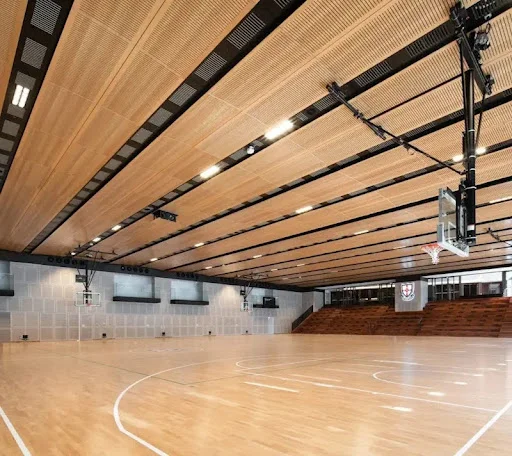
Modern architecture demands not only aesthetic appeal but also functionality and sustainability. The integration of architectural cladding solutions can elevate the appearance while enhancing the durability of a building’s exterior. This article delves into the various aspects of architectural cladding, focusing on the benefits and types of materials commonly used in contemporary building design.
What is Architectural Cladding?
Architectural cladding refers to the application of one material over another to provide a skin or layer intended to control the infiltration of weather elements, and for aesthetic purposes. It acts as a protective layer, safeguarding structures against environmental conditions while offering an attractive finish.
Benefits of Architectural Cladding
There are several beneficial aspects of architectural cladding that make it a preferred choice for many architects and builders. Some of these benefits include enhanced protection, improved energy efficiency, and aesthetic enhancements.
Enhanced Protection
Cladding serves as an additional protective layer for buildings, shielding them from rain, sun, wind, and other harsh environmental factors. This protective shield helps in prolonging the life of the building structure.
Energy Efficiency
Modern cladding systems often include insulation or can be combined with it to improve the building’s thermal efficiency. This insulation is pivotal in reducing heating and cooling costs by maintaining the building at a consistent temperature.
Aesthetic Enhancements
Architectural cladding is available in numerous designs, colours, and textures, allowing for creative and unique building appearances. It contributes to the visual appeal and market value of the property.
Materials Used in Architectural Cladding
The choice of material for cladding is crucial as it directly impacts the performance and appearance of the building. Various materials cater to different needs and preferences.
Wood
Wood cladding brings warmth and natural beauty to building exteriors. It is a sustainable material, often chosen for its organic aesthetics and environmental benefits.
Metal
Metal cladding offers a sleek and modern look that is both durable and lightweight. Common metals used include aluminium, zinc, and steel, each offering various benefits such as corrosion resistance and ease of maintenance.
Composite Panels
Composite panels combine different materials to offer enhanced features like increased strength and resistance. They are often used for their versatility, lighter weight, and aesthetic flexibility.
Stone
Stone cladding is synonymous with luxury and elegance. It provides a timeless appeal and exceptional durability, making it a high-end choice for many projects.
Environmental Considerations
In today’s world, environmental sustainability is paramount. The materials chosen for cladding should be evaluated not only for their aesthetic and functional capabilities but also for their environmental impact. Many modern cladding solutions focus on reducing carbon footprints through sustainable practices and materials.
Choosing the Right Cladding
Selecting the appropriate cladding for a building involves considering numerous factors such as climate, building design, and budget. Architects and builders must balance these elements to choose a solution that best meets the project’s requirements.
Installation Process
The installation of cladding must be carried out by professionals to ensure precision and adherence to safety standards. The process varies depending on the material used and requires specific techniques for different types of cladding to ensure longevity and effectiveness.
Maintenance of Cladding
While cladding significantly reduces maintenance needs, regular inspections and maintenance can help extend its life. Cleaning and inspecting for damages or wear should be a part of the building’s maintenance routine.
Conclusion
Architectural cladding not only offers enhanced durability and energy efficiency but also elevates the overall aesthetic appeal of buildings. When chosen and installed correctly, it contributes significantly to the longevity and efficiency of the structure. Building owners and architects should carefully consider their options, ensuring that they choose durable and sustainable solutions to meet their specific needs.