
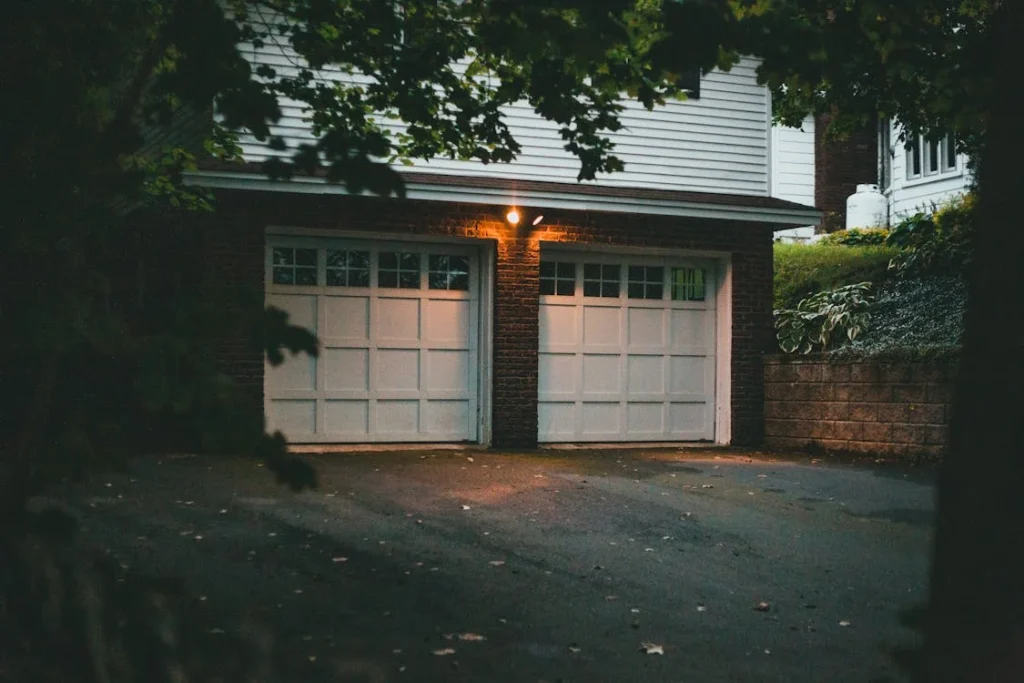
A garage door does more than open and close. It shapes your home’s first impression and protects one of its largest entry points. In many houses, it occupies a significant portion of the front exterior, so its condition directly affects curb appeal. Beyond appearance, it also plays a major role in safety and insulation.
In Beaumont, where high humidity, heavy rain, and summer heat are part of daily life, garage doors face constant stress. Materials expand, hardware corrodes, and insulation becomes more important than many homeowners expect. An upgrade can deliver one of the strongest returns on investment in home improvement, but only when you plan carefully. Setting a realistic budget and understanding your options helps you avoid surprises and ensures the finished result truly adds value.
Repair or Replace? Assessing Your Current Garage Door
Start by evaluating how your current door performs. Does it shake or grind when opening? Do you notice rusted panels, cracked sections, or sagging along the bottom edge? If you schedule repairs every year, those bills can quietly add up to the cost of a full replacement.
Minor fixes, such as replacing weatherstripping or tightening loose hardware, are manageable for many homeowners. However, when springs wear out or tracks shift, safety becomes a concern. If you are looking for a garage door replacement company in Beaumont, choose professionals who prioritize safe handling, precise alignment, and proper weather sealing for long-term performance.
Material Matters: Comparing Garage Door Options
Once you decide to upgrade, material selection becomes a key budget factor. Steel doors remain popular because they offer durability at a reasonable price. They resist dents and require minimal maintenance, which appeals to busy homeowners.
Wood doors provide warmth and traditional character, but they cost more and require ongoing care. Aluminum and composite options fall somewhere in between. They offer modern styling, lighter weight, and better moisture resistance, which matters in Southeast Texas. Your choice should balance appearance, maintenance expectations, and long-term cost.
Understanding Insulation and Energy Efficiency
Insulation directly affects comfort and energy use. The R-value measures how well a door resists heat transfer. Higher ratings help keep hot air out during summer and reduce temperature swings inside the garage.
In a climate like Beaumont’s, that insulation protects more than stored items. It reduces strain on your HVAC system if your garage connects to your home. Insulated doors also operate more quietly and feel sturdier, adding both performance and long-term value.
Budgeting for the Hidden Costs
Many homeowners focus only on the price of the door itself. That number rarely reflects the full project cost. Tracks, rollers, torsion springs, and mounting hardware may need to be replaced to support the new system properly. Ignoring these components can shorten the lifespan of your upgrade.
You should also consider opener compatibility. Older motors may struggle with heavier insulated doors. Disposal fees, minor framing adjustments, and labor charges can add up quickly. Building a small contingency fund into your budget helps you manage these variables without stress.
Choosing a Style That Matches Your Home
Style decisions affect both satisfaction and resale value. A raised-panel design works well with many traditional homes and stays within a moderate budget. Carriage-style doors add character and often suit craftsman or farmhouse exteriors. Clean, flush panels with glass inserts complement modern builds.
Color and finish matter just as much as panel design. Coordinating the garage door with trim, shutters, or your front door creates a unified exterior. When the design feels intentional, the entire façade benefits. Thoughtful style choices ensure your investment enhances curb appeal for years to come.
Creating a Step-by-Step Planning Timeline
A clear plan keeps the project on track. Start by defining priorities such as insulation level, appearance, and smart features. Then gather multiple quotes and compare warranties, materials, and estimated installation dates. This research phase prevents rushed decisions.
Once you select a contractor, confirm measurements and product availability. Custom doors may require additional lead time. Prepare your garage by clearing storage and ensuring safe access. Most installations finish within a day, but preparation determines how smoothly that day goes.
Protecting Your Investment with Ongoing Maintenance
After installation, routine maintenance preserves performance. Schedule annual inspections to check spring tension, track alignment, and hardware wear. Lubricate moving parts and test the balance regularly. Small preventive steps reduce the risk of costly breakdowns.
Review the warranty terms to understand coverage requirements. Many manufacturers require professional servicing to maintain protection. Keeping records of maintenance visits supports warranty claims and protects long-term value. A well-maintained door can serve reliably for decades.
A garage door upgrade requires more than picking a design you like. You need to evaluate the condition, choose materials wisely, account for hidden costs, and plan installation carefully. When you approach the project with a clear budget and realistic expectations, the benefits extend beyond appearance. Improved security, stronger energy efficiency, and increased property value make the investment worthwhile.