Key Takeaways
- Modern air conditioners offer advanced features like AI integration, voice control, and energy monitoring.
- Energy efficiency is enhanced through technologies such as inverter compressors and eco-friendly refrigerants.
- Smart home integration enables remote control and automation, enhancing convenience and comfort.
- Proper sizing and installation are crucial for optimal performance and energy savings.
As homeowners seek better comfort, efficiency, and sustainability, modern air conditioning systems have become more advanced than ever. Innovations in technology have made it easier to stay cool while minimizing both energy costs and environmental impact. Whether you are looking to upgrade or install a new system, discovering the right balance of innovative features and responsible design is essential. For those in urban areas, working with specialized London air conditioning installers ensures your home benefits from up-to-date technology and seamless integration.
Today’s market offers a variety of options, from AI-powered controls to energy-efficient designs that integrate with your smart home ecosystem. Smart air conditioners can be monitored and controlled via mobile apps, digital assistants, and even geolocation services, maximizing comfort as soon as you step through the door. Homeowners now have the power to tailor indoor climate precisely to daily routines while saving energy.
Advances in air conditioning do not just stop at comfort. New systems tackle sustainability by using less power, running quieter, and relying on refrigerants that are kinder to the environment. The combination of efficiency, intelligence, and eco-friendly design delivers higher value for anyone investing in a home cooling solution.
Selecting the right system also means understanding installation requirements. Professional guidance can make the difference between a system that ages quickly and one that delivers optimal performance year after year. Learning more about the key features, latest technology, and installation best practices will prepare you for a more rewarding air conditioning upgrade.
Smart Features and Connectivity
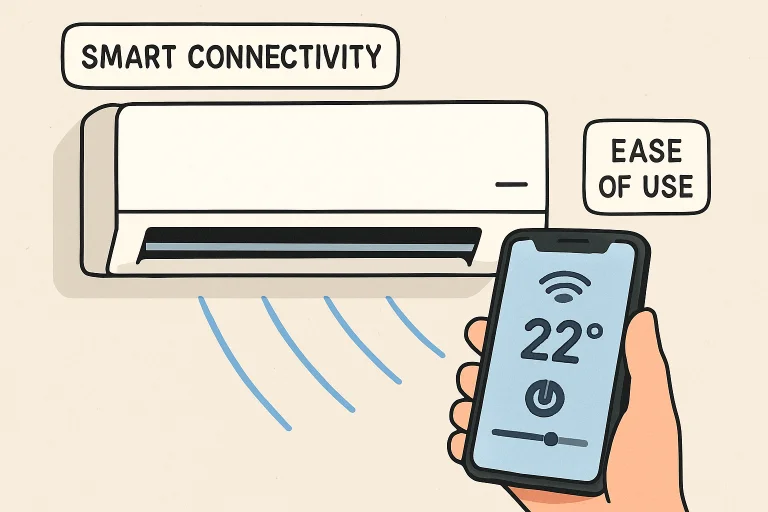
Smart air conditioning is reshaping how we interact with home climate control. With integration options via Amazon Alexa, Google Home, and Apple HomeKit, it is now possible to adjust room temperatures via voice commands or easy-to-use smartphone apps. Many systems offer real-time notifications for filter changes, maintenance needs, or abnormal energy use, giving you complete oversight from anywhere.
Beyond convenience, these technologies save energy by enabling precise temperature control and scheduling. You can customize daily and weekly cooling programs to fit your lifestyle, reducing unnecessary use and lowering your utility costs. According to Consumer Reports, properly using these innovative features can significantly reduce monthly bills while maintaining comfort.
Energy Efficiency and Inverter Technology
Energy-efficient performance sits at the heart of the best air conditioning units. Inverter technology sets new efficiency standards by allowing compressors to run at variable speeds, maintaining the desired room temperature without the energy spikes associated with traditional systems. This more innovative process results in less wear and tear and often translates into energy savings of up to 40 percent compared to non-inverter models.
Many governments and institutions, including the U.S. Department of Energy, recommend inverter-based systems for both environmental and economic reasons. The longer lifespan and lower long-term costs make them a popular choice for homeowners who want to combine advanced technology with responsible energy use.
Eco-Friendly Refrigerants
The choice of refrigerant plays a considerable role in a system’s overall environmental footprint. Conventional refrigerants have been linked to ozone depletion and greenhouse gas emissions. Today’s more sustainable options, like R-410A and R-32, cool homes efficiently while causing less harm to the atmosphere.
The industry continues to explore even safer refrigerants. Some manufacturers now use natural alternatives such as propane (R-290) or carbon dioxide (R-744), which have lower global warming potential. Selecting a system with advanced refrigerants helps minimize your environmental impact.
Smart Home Integration
Connecting air conditioning systems to smart home hubs opens the door to personalized, automated comfort. Geofencing technology allows units to recognize when you leave or approach home, adjusting the temperature so you always return to a cool living space without wasting energy during your absence. Other innovations, such as AI-driven learning, personalize settings by factoring in occupancy, recent weather, and indoor air quality.
As reported by The New York Times Wirecutter, these integrations can improve both convenience and savings, ultimately making life easier and more efficient for tech-savvy homeowners.
Proper Sizing and Installation
Choosing the optimal air conditioning system goes beyond its digital features. Proper sizing and professional installation are critical factors for achieving the best performance. An undersized unit will work overtime, sacrificing comfort and efficiency. In contrast, an oversized system can waste energy and increase upkeep costs due to frequent cycling.
Consulting with a certified HVAC installer helps ensure your specific needs are understood, such as home size, insulation quality, and budget requirements. Experienced professionals recommend a tailored approach, assessing every factor before installation to ensure maximum comfort and energy efficiency throughout your system’s lifespan.
Conclusion
Upgrading to a modern air conditioning solution requires careful consideration of technology, sustainability, convenience, and installation expertise. By prioritizing smart controls, high efficiency, eco-friendly refrigerants, and correct installation, you can enjoy year-round comfort while reducing your environmental footprint and energy bills. Making informed decisions today ensures a cooler, smarter, and more sustainable home for the future.