The mining industry has historically been a cornerstone of economic growth, contributing significantly to the foundation of numerous economies across the globe. However, the rapid advancements in technology and the increased focus on sustainability are driving a revolution within the sector. Next-generation mining services are not merely an enhancement of the existing framework; they are transforming the very essence of mining operations.
Innovations Paving the Way for Modern Mining
Innovation in mining services entails a plethora of changes ranging from automation and robotics to advanced data analytics and beyond. The thrust of technology in this sector seems relentless—the Internet of Things (IoT), Artificial Intelligence (AI), and machine learning are merging to create not just smart mines, but also safer and more efficient ones.
Automation and Robotics
One cannot discuss next-generation mining services without foregrounding the impact of automation and robotics. Automated drills and self-driving haul trucks are already a reality in some mines, reducing the incidence of workplace accidents while simultaneously boosting productivity. The removal of humans from dangerous underground environments is a monumental step forward in mining safety.
Data Analytics and IoT
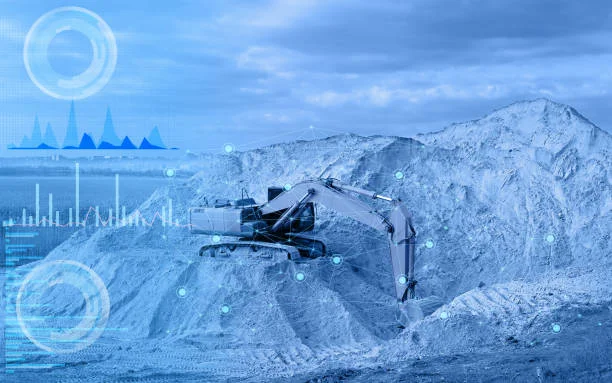
Imagine an interconnected web of sensors spread throughout a mine, meticulously gathering and transmitting data in real time. That’s the IoT revolution in mining—a transformation that provides critical insights into equipment performance, operational efficiency, and maintenance needs. It enables predictive analytics, where machine learning algorithms forecast potential breakdowns before they occur, thereby reducing downtime.
Energy Efficiency and Sustainability
Mining isn’t just making leaps in automation and data; it’s also becoming greener. Energy-efficient mining machines and the use of renewable energy sources are mitigating the environmental impact associated with traditional mining operations. Moreover, next-generation mining services are finding innovative ways to increase the recycling and repurposing of minerals to champion a more sustainable approach.
Enhancing Operational Efficiency
Operational efficiency is the magic phrase in next-generation mining services. Companies leveraging advanced analytics and automation tend to preempt operational hiccups, significantly reduce fuel consumption, and manage their resources more effectively. As a result, they streamline their operations, resulting in a more efficient and profitable business model.
Collaboration and Partnership
No single company operates in isolation, especially in the mining industry. Collaboration between technology providers, service suppliers, and mining companies is essential. This symbiosis paves the way for an accelerated adoption of innovative services, with each stakeholder bringing expertise to the table.
Health, Safety, and Training
The digitisation of mining also demands a shift in the workforce makeup. Skilled personnel who can navigate the complexities of modern technology are in high demand. Consequently, significant investments in training and development are required to prepare a new generation of miners adept at handling the technological tools at their disposal.
The Economic Impact of Innovative Mining Services
Economically, the transformation within the mining sector is forecasted to be substantial. By creating more streamlined operations, next-generation mining services can reduce costs, increase production rates, and provide a buffer against market volatility. Furthermore, by adhering to greener practices and community-friendly policies, mining companies also foster a more positive public image and sidestep potential regulatory hurdles.
Challenges and Considerations
Despite the benefits that innovation brings, the shift toward next-generation mining services does not come without challenges. Cybersecurity threats increase with greater connectivity, and the initial capital outlay for state-of-the-art equipment can be daunting. Moreover, the transition towards more autonomous operations raises concerns about job displacement, which companies must approach with robust strategies for worker transition and support.
Case Studies of Successful Innovation
Around the world, there are numerous case studies illustrating the successful implementation of innovative mining services. For instance, mines that have fully automated their drill and blast operations witness formidable gains in safety and productivity. Additionally, through implementing real-time monitoring systems, facilities have been able to significantly reduce energy consumption and improve their carbon footprint.
Looking to the Future
As the industry strides into the future, the evolution of next-generation mining services continues unabated. We are likely to see further integration of autonomous equipment, deeper reliance on data for decision-making, and a sustained emphasis on environmental care and sustainability.
Conclusion
The revolution within the mining industry signifies an exciting era of advancement and opportunity. Next-generation mining services are at the forefront of this transformation, harnessing the power of innovation to create operations that are safe, efficient, and sustainable. As mining companies adopt these technologies and processes, they not only strengthen their bottom line but also contribute to the broader goal of fostering a more responsible and forward-looking industry.
Embracing Change for a Brighter Mining Future
By embracing change and driving innovation, the mining industry stands to benefit tremendously. The advances in next-generation mining services point towards a future where mining is not just about extraction but also about stewardship of resources and technological excellence. Those within the industry, and those observing from the outside, should anticipate a transformative journey ahead—one that is set to revolutionize the way minerals are unearthed and processed for generations to come.