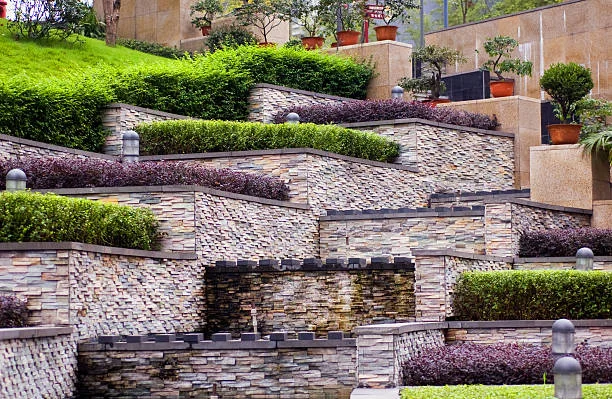
Landscape engineering is a multifaceted field that integrates ecological understanding with innovative design to develop environments that are both aesthetically pleasing and functional. One critical aspect of landscape engineering is the creation and implementation of retaining wall solutions, which serve to stabilise sloped terrain and prevent erosion, providing a solid foundation for sustainable landscaping efforts.
Understanding Retaining Wall Fundamentals
Essentially, a retaining wall is a structure designed to hold back earth which would otherwise move downwards due to gravity. The science behind these walls is rooted in understanding soil mechanics and the forces exerted by static and dynamic loads. These structures are more than utilitarian; they can be crafted to enhance the beauty of a landscape while fulfilling their primary function of terrain stabilisation.
The Significance of Sustainable Practices in Landscape Engineering
Sustainability in landscape engineering goes beyond environmental stewardship. It involves creating systems that are durable, cost-effective, and resource-efficient. Sustainable landscaping aims to minimise the ecological footprint while maximising the usable space and aesthetic value of the land.
Innovations in Retaining Wall Design
Innovative designs in retaining wall construction have emerged, with a focus on enhancing sustainability. Modern retaining wall solutions are increasingly incorporating recycled materials, promoting the use of local supplies to reduce transportation emissions, and looking to long-term maintenance and life cycle costs.
Eco-Friendly Materials and Technologies
A significant advancement in retaining walls includes the use of eco-friendly materials such as recycled concrete, plastic, or rubber. These materials not only reduce waste but also often offer cost savings and durability. Furthermore, new technologies aid in the permeability and drainage capabilities of retaining walls, essential for maintaining the health of the surrounding landscape.
Integrating Aesthetics with Functionality
Sustainable landscaping no longer means a compromise between aesthetics and function. Retaining walls can be designed with patterns, textures, and varying materials to create visually appealing features that blend seamlessly with the natural environment. By doing so, engineers and designers contribute to an enhanced visual appeal while maintaining structural integrity.
The Role of Retaining Walls in Erosion Control
One of the primary benefits of retaining walls in sustainable landscaping is their ability to control erosion. Erosion can lead to loss of valuable topsoil, damage to property, and even create safety hazards. By holding the earth in place, retaining walls protect the soil from the impact of water and wind, and when designed innovatively, they can support native vegetation that further combats erosion.
The Benefits of Versatile Design Solutions
The versatility of modern retaining wall systems allows for their application across a broad range of environments, from urban spaces to natural parklands. Versatile design solutions ensure that each retaining wall can be adapted to the specific needs of the project, considering factors like soil type, climate, and aesthetic goals.
Water Management and Retaining Walls
Effective water management is a crucial aspect of sustaining healthy landscapes. Properly engineered retaining walls can contribute significantly to water conservation efforts. They can be designed to channel and redistribute water effectively, contributing to groundwater replenishment and reducing runoff during heavy rainfall events.
Retaining Wall Lifespan and Maintenance
The lifespan of a retaining wall is heavily impacted by the materials used and the maintenance practices enacted. A focus on sustainability includes the need for durable structures that require minimal upkeep. Engineers are thus driven to design retaining walls using materials that are both resilient and maintainable for long periods.
Adapting to Climate Change
As our climate continues to change, landscape engineers must design retaining walls capable of withstanding increased instances of extreme weather. This means creating solutions that are flexible and adaptable, ensuring long-term stability in the face of climate unpredictability.
Incorporating Public Spaces and Social Value
Retaining walls hold the potential to facilitate the creation of public spaces, such as terraced gardens or amphitheatres, which add social value to communities. By considering the social aspects of landscape design, engineers ensure that these structures serve dual purposes: stabilising land and creating communal areas for outdoor activities.
Challenges and Opportunities
The design and construction of retaining walls come with challenges, such as meeting regulatory requirements and ensuring public safety. However, each challenge presents an opportunity for innovation in landscape engineering. Forward-thinking designs can solve complex problems, demonstrating the adaptability of the field.
Future Directions in Retaining Wall Technology
The future of retaining wall technology lies in the convergence of engineering expertise with sustainable design principles. As research progresses, new materials, and methods for constructing retaining walls are expected to advance the field of landscape engineering, further integrating these vital structures into sustainable landscaping practices seamlessly.
In conclusion, retaining wall solutions are a cornerstone of sustainable landscape engineering. With an emphasis on innovative designs that incorporate eco-friendly materials and advanced technologies, landscape engineers can create retaining walls that provide essential stabilisation, control erosion, and contribute to water management, all while augmenting the visual language of the landscape. As we look ahead, the continued evolution of retaining wall systems promises to strengthen and enhance our environmental resilience and aesthetic appreciation of landscaping projects worldwide.