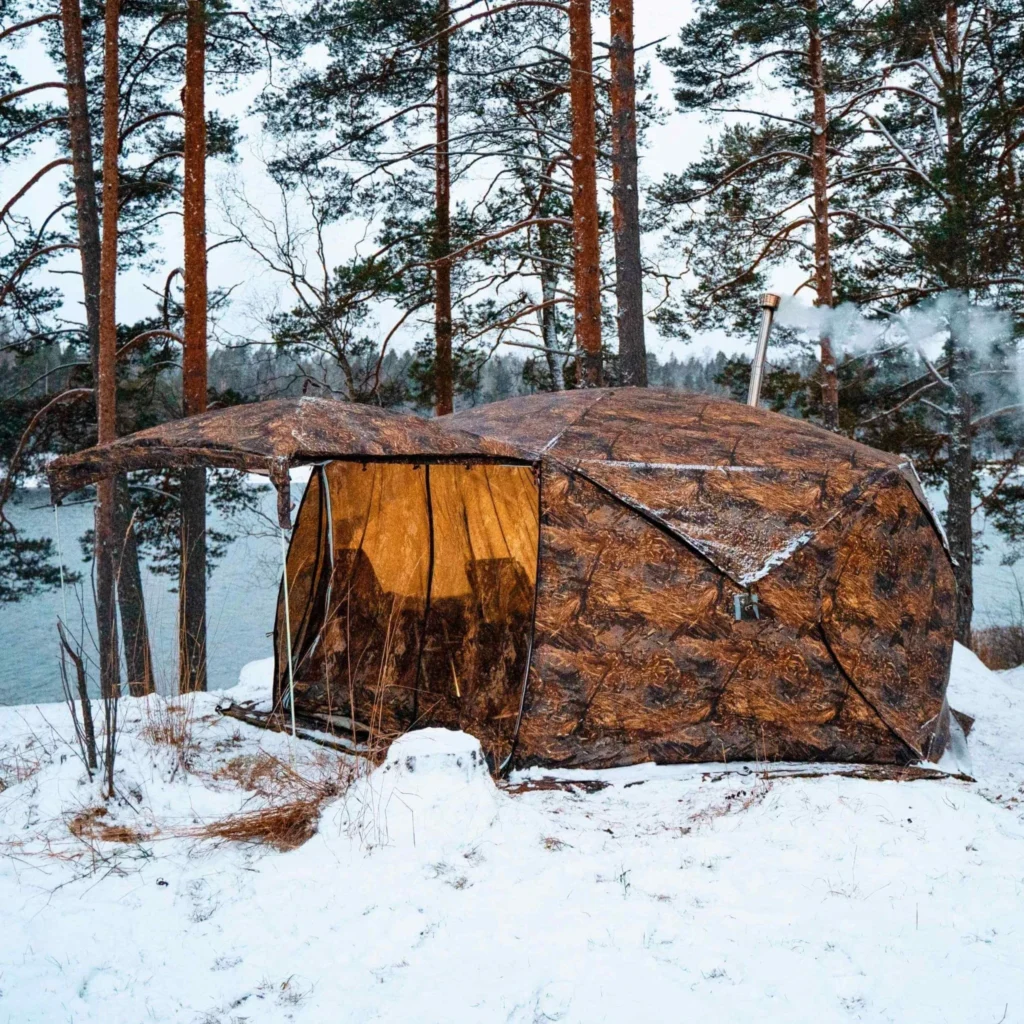
When the winter winds begin to howl and snow starts to accumulate, standard camping gear often fails to provide the necessary protection. For those who view camping as a year-round pursuit, investing in the best four season tent or 4 season tent is not just a matter of comfort, but a vital safety requirement. These specialized shelters are engineered with reinforced poles, full-coverage rainflys, and insulated walls specifically designed to withstand the most punishing environments. Whether you are a solo alpine climber or a family looking for aluxury glamping tent that offers both elegance and extreme weather resistance, understanding the technical nuances of these structures is essential.
Selecting high-performancecamping tents 4 season requires a deep dive into specifications like fabric density, frame geometry, and stove compatibility. A high-quality shelter becomes your fortress against the elements, ensuring that your backcountry skiing or mountaineering trips remain safe and enjoyable regardless of the temperature.
Understanding technical specifications and capacity
Choosing the right capacity is more complex in winter than in summer. Standard ratings usually describe how many people can fit side-by-side 4 season tent, but winter camping necessitates extra room for bulky clothing, heavy sleeping bags, and, most importantly, a camping stove.
- The “Plus One” Rule: it is highly recommended to select a tent rated for one person more than your actual group size to ensure adequate comfort.
- Weight Dynamics: manufacturers work to balance durability with weight, though lighter “ultralight” models often come at a higher price point and may sacrifice some features.
- Minimum Trail Weight: this refers specifically to the weight of the tent body, the rainfly, and the poles.
- Packaged Weight: this represents the total weight, including stakes, guy lines, stuff sacks, and instructions.
- Packed Size: this metric tells you exactly how much volume the tent will occupy inside your backpack or vehicle.
3-season vs. 4-season architecture: the critical differences
Many beginners wonder if a standard 3-season model can suffice for winter use. The answer lies in the structural architecture of the tent.
3-season tents
These are designed for spring, summer 4 season tent, and fall. They prioritize ventilation to prevent condensation, featuring large mesh panels and lightweight aluminum frames. While they protect against rain and moderate wind, they are not built to support the weight of heavy snow or resist sub-zero gusts.
4-season tents
Often called “winter tents,” these structures utilize durable, mesh-free fabrics and double-wall designs to trap heat. The frames are thicker and use more poles to create a rigid geometry that can support snow loading. Rainflys and vestibules on these models typically extend all the way to the ground to prevent wind from dipping under the tent edge.
Comprehensive model comparison: from solo to family shelters
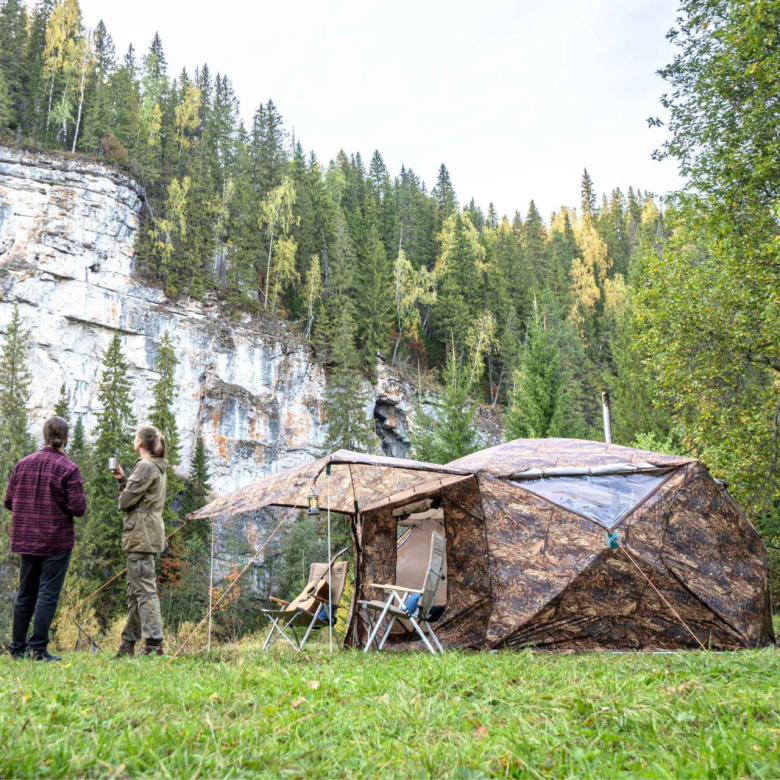
Modern all-season tents come in various shapes and sizes 4 season tent, each tailored to specific camping styles.
Compact and backpacking options
- UP-2 Mini: a dome-style tent with a diameter of 107 inches, ideal for 1-3 people. Its umbrella-type frame allows for a setup time of just two minutes, providing rapid shelter in emergency conditions.
Medium and large family shelters
- UP-2: a premier four-person option with a 135-inch diameter. It features five-layer windows made of frost-resistant PVC and a zippered floor to protect against insects in summer and moisture in winter.
- UP-5: similar in design to the UP-2 but significantly larger, the UP-5 has a 178-inch diameter and can house up to eight people. It includes two separate entrances to facilitate easier movement for larger groups.
- Hexagon: the newest evolution in large-scale camping, offering 135.63 square feet of living space. It is tall enough for an average person to stand upright and features a wall that can be fully opened with a mosquito net for summer “terrace” style camping.
Maintenance, storage and FAQ
To ensure your tent remains a reliable fortress for years, proper care is non-negotiable.
- Storage Protocols: always store your tent in a cool, dry environment. It must be 100% dry before being packed away; even a small amount of moisture can lead to mildew and the degradation of waterproof coatings.
- Cleaning Methods: pitch the tent and use a soft cloth or sponge with lukewarm water. Never use a washing machine or harsh chemical soaps, as these will strip the fabric of its specialized treatments.
- Pole Materials: while fiberglass is cheaper, it is prone to shattering in cold or windy weather. Aluminum poles are the professional choice, offering superior strength, lighter weight, and better flexibility in extreme cold.
- Summer Use: despite the name, 4-season tents can be used in the summer. However, because they are designed to trap heat, you must utilize all available vents and windows and seek shade to maintain a comfortable interior temperature.
- Single-Wall vs. Double-Wall: single-wall tents are lighter and easier to set up but require more careful management of condensation. Double-wall tents provide a significant boost in warmth and moisture management due to the air gap between layers.
By selecting a tent that matches your group size and the specific environmental challenges you expect to face, you can ensure that your outdoor adventures remain safe, warm, and memorable throughout every season of the year.
Keep Exploring Smart Content That Drives Real Progress at Management Works Media.