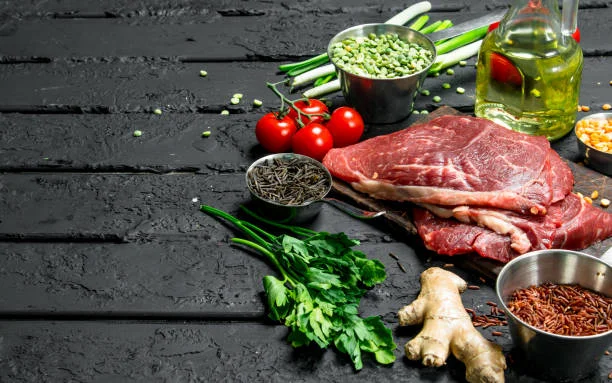
The consumption of grass-fed beef has gained popularity among health-conscious individuals and those interested in sustainable food sourcing. One significant advantage of grass fed beef is its nutritional profile. Grass-fed beef or Grass-Fed Beef Benefits typically offers higher levels of essential nutrients, making it a desirable choice for many consumers.
Nutritional Advantages of Grass-Fed Beef
Grass-fed beef is known for its superior nutritional content compared to grain-fed counterparts. It is rich in omega-3 fatty acids, which are essential for cardiovascular health. Additionally, grass-fed beef contains higher amounts of conjugated linoleic acid (CLA), a nutrient associated with various health benefits, including reduced inflammation and improved immune function.
Vitamins and minerals are also more abundant in grass-fed beef. Specifically, it offers higher levels of vitamins A and E, both crucial for maintaining good health. Vitamin A supports vision and immune function, while vitamin E acts as a powerful antioxidant. These nutrients contribute to the overall perception of grass-fed beef as a healthier alternative.
Environmental Impact
Another significant advantage of grass-fed beef lies in its environmental benefits. Cattle raised on pasture have a lower carbon footprint compared to those fattened in feedlots. The process of grazing helps to promote natural biodiversity and soil health, which can contribute positively to the ecosystem. This aligns with the principles of sustainable agriculture, making grass-fed beef preferable for environmentally-conscious consumers.
Moreover, the grazing practices commonly employed in producing grass-fed beef help reduce soil erosion and water contamination. These practices can provide a more sustainable method of farming that benefits the environment long-term.
Animal Welfare Considerations
Grass-fed beef is often associated with better animal welfare standards. Cattle live in more natural environments, grazing freely on pasture for the majority of their lives. This contrasts significantly with the conditions in industrial feedlots, where cattle might face crowded and stressful living situations.
This humane approach to raising cattle not only benefits the animals but also frequently results in better quality meat. Animals that are less stressed tend to produce more tender and flavourful meat, enhancing consumer satisfaction.
Culinary Qualities
Aside from its health and environmental benefits, grass-fed beef is also prized for its culinary qualities. Many chefs and home cooks appreciate its unique flavour profile, which is often described as richer and more complex than grain-fed beef. The leanness of grass-fed beef also makes it a favourite among those seeking a more distinct eating experience.
However, cooking grass-fed beef requires some adjustments. Its lower fat content means it can cook faster and become dry if overdone. Thus, culinary experts suggest cooking it at lower temperatures or employing techniques that retain moisture, such as marinating.
Cultural and Consumer Trends
The trend towards grass-fed beef is also connected to broader cultural and consumer shifts. As people become more aware of food sourcing and production methods, the demand for ethically produced and high-quality products increases. Grass-fed beef satisfies these criteria, gaining traction among those who value authenticity and transparency in their food sources.
Restaurants and retailers have responded to this growing demand by offering grass-fed options, thereby making it more accessible to the average consumer. This shift reflects a changing landscape in the food industry where quality and ethics play key roles in consumer choices.
Market Availability and Pricing
While the benefits of grass-fed beef are numerous, its market availability and pricing can affect consumer decisions. Grass-fed beef products tend to be more expensive due to higher production costs associated with pasture-raised cattle. However, many consumers find the health benefits and superior taste justify the price difference.
Despite higher prices, the market for grass-fed beef continues to expand. This growth is propelled by increasing consumer awareness and demand for healthful, sustainable, and ethically-produced foods.
Conclusion
In summary, grass-fed beef offers numerous benefits ranging from enhanced nutritional value and environmental sustainability to improved animal welfare and unique culinary qualities. Its growing popularity is a testament to the increasing consumer desire for products that align with health, environmental, and ethical considerations. For those interested in enjoying the benefits of grass-fed beef, the first step starts with making informed choices about where and how the beef is sourced.
By choosing products from reputable suppliers, consumers can enjoy the many advantages of grass-fed beef while supporting sustainable and ethical farming practices.
Find the missing puzzle piece in this connected post at Management Works Media.