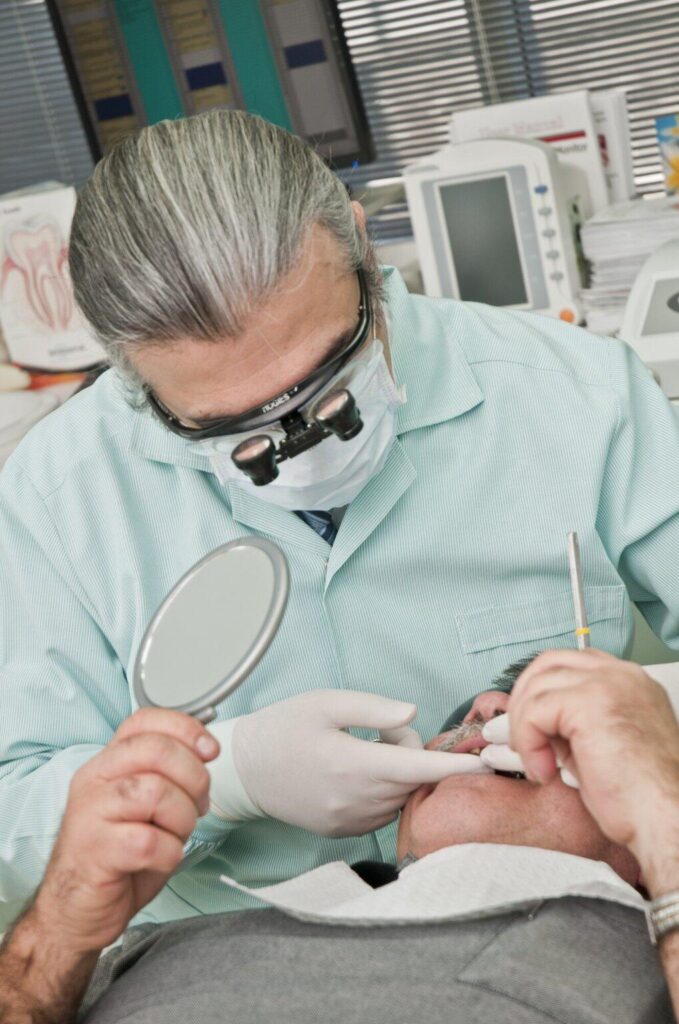
An oral injury can happen in a moment. A fall, a sports accident, or a sudden impact can change how the mouth feels and works. When pain and shock set in, it is easy to freeze or delay action.
Yet the first response often shapes the future of oral health. Quick and calm care can protect teeth, gums, and bone from lasting damage. Read more to understand why urgent oral care matters and how early steps can guard long term health.
Why Oral Injuries Need Immediate Care
The mouth is a sensitive area with many nerves and blood vessels. When injury occurs, swelling and bleeding can rise fast. Even a small crack or loosened tooth can worsen if ignored.
Early care helps control pain and limits deeper damage. Prompt attention also helps preserve natural teeth. Teeth that are chipped, pushed out of place, or knocked loose have a better chance of recovery when treated quickly and delaying treatment may lead to infections or tooth loss that could have been prevented.
Common Types of Oral Injuries
Oral injuries vary in severity. Some involve soft tissue like lips, cheeks, or gums. Others affect teeth, roots, or the jaw itself.
Cuts inside the mouth may look small but can hide deeper tears. Dental injuries often include cracked teeth, broken crowns, or teeth that shift from their normal position.
Jaw injuries may cause trouble opening or closing the mouth. Each type needs careful evaluation because the damage is not always visible on the surface.
The Hidden Risks of Delayed Treatment
Delaying care can lead to problems that grow quietly. Bacteria can enter through cracks or wounds, leading to infection. Inflammation can spread and weaken surrounding tissue.
A tooth that feels stable at first may later darken or loosen if the nerve was damaged. Bone injuries may heal poorly without support. These risks show why early evaluation is key to protecting long term oral health.
What to Do Right After an Oral Injury
The moments after an injury matter. Rinsing gently with clean water can help clear debris. Applying cold compresses can reduce swelling and pain.
Avoiding pressure on injured areas helps prevent further harm. Seeking professional care as soon as possible allows for proper assessment.
In many cases, early visits focus on stabilizing the injury and easing pain. This stage is often described as attention for dental trauma because it sets the path for healing and recovery.
How Early Care Supports Healing
Early treatment helps guide the healing process. Dentists can reposition teeth, protect exposed areas, and clean wounds safely. These steps reduce stress on the body and allow tissue to repair more naturally.
Supportive care also helps prevent complications. Temporary solutions may be used to hold teeth in place or protect soft tissue. These measures buy time and protect the injury while deeper healing begins.
Emotional Impact of Oral Injuries
Oral injuries do not affect only the body. They can also affect confidence and comfort. Pain and changes in appearance may cause stress or fear.
Addressing injuries quickly can ease these emotional effects. Clear communication and reassurance play a role in recovery.
When patients understand what is happening and what to expect, they often feel calmer and more in control. This mental ease supports physical healing as well.
Long Term Effects Without Proper Care
Without proper care, oral injuries can lead to lasting issues. Teeth may lose strength or sensitivity. Bite alignment may change, leading to jaw strain or headaches.
Soft tissue injuries may heal unevenly and cause discomfort during speaking or eating. Infections can spread beyond the mouth and affect overall health. These outcomes highlight the value of early and thorough treatment.
Protecting Oral Health After the Emergency
Care does not end after the first visit. Follow up is important to monitor healing. Adjustments may be needed as swelling decreases and tissues recover.
Good oral hygiene supports healing. Gentle brushing and proper cleaning help prevent infection. Avoiding hard or sticky foods reduces stress on injured areas and these habits protect progress and support long term results.
Prevention and Preparedness Matter
While not all injuries can be avoided, preparation helps. Wearing protective gear during sports lowers risk. Being aware of surroundings reduces accidents at home or work.
Knowing where to seek care and acting quickly can make a difference. Preparedness helps turn a stressful moment into a manageable one with better outcomes.
How Proper Care Preserves Natural Teeth
Natural teeth have a strong ability to recover when supported early. Timely treatment helps protect the tooth structure and the surrounding bone that holds it in place.
By stabilizing injured teeth and controlling inflammation, dentists can often prevent the need for more complex procedures later. Preserving natural teeth supports better chewing, clearer speech, and overall oral balance as healing continues.
Building Trust and Confidence During Recovery
Recovering from an oral injury can feel unsettling, especially when pain or changes appear suddenly. Clear guidance and steady follow up care help rebuild trust in the healing process.
When patients feel supported and informed, they are more likely to follow care instructions and attend checkups. This confidence plays a quiet but important role in achieving strong and lasting recovery results.
The Role of Early Diagnosis in Preventing Complications
Early diagnosis helps reveal damage that may not be obvious at first glance. Hairline fractures, nerve stress, or subtle shifts in tooth position can go unnoticed without careful evaluation.
Identifying these issues early allows treatment to begin before pain increases or infection sets in. This proactive approach protects both oral structures and overall health, reducing the chance of long term complications.
Supporting Long Term Oral Stability After Injury
Stability is a key goal after any oral injury. Proper care helps teeth, gums, and bone heal in harmony rather than unevenly.
Follow up visits allow providers to track progress and adjust care as needed. This steady support helps maintain a balanced bite and comfortable function, ensuring that recovery leads to lasting oral strength rather than ongoing discomfort.
Acting Fast to Protect the Future
Urgent oral injury care is about more than quick fixes. It is about preserving comfort, function, and confidence over time.
Early action supports healing and prevents small injuries from becoming lasting problems. When care is timely and thoughtful, the mouth has a strong chance to recover and stay healthy for years to come.
For more on this content, visit the rest of our blog!