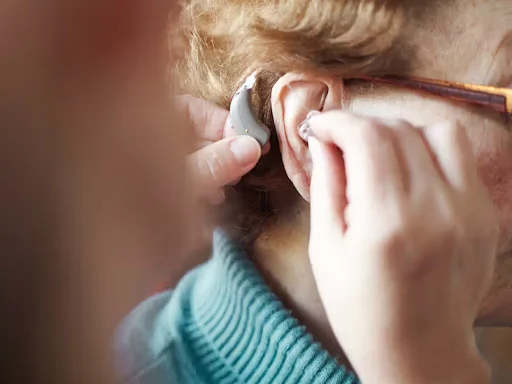
Millions of people worldwide have hearing issues, but expense, stigma, and the difficulty of receiving professional treatment prevent many from seeking help. Since OTC hearing aids made hearing improvement more inexpensive and accessible, this trend has begun to change. Today, solutions like Cearvol hearing aids are helping bridge the gap by offering affordable, easy-to-use options for individuals who want to improve their hearing without the barriers of traditional clinical care.
What Are OTC Hearing Aids?
Adults with mild to moderate hearing loss can use FDA-approved OTC hearing aids. They can be purchased without a medical evaluation, prescription, or fitting, unlike traditional hearing aids.
They are available in stores, pharmacies, and online, making them accessible and cheaper than traditional hearing aids.
How OTC Hearing Aids Work
- OTC hearing aids are like traditional ones:
- Audio recording with a microphone
- Increase sound volume.
- Deliver it to the ear via speaker.
Many contemporary OTC models include:
- Smartphone app controls
- Technology to reduce noise
- Rechargeable batteries
- Adjustable sound
Why OTC Hearing Aids Were Introduced
Hearing-impaired people had two options before OTC devices were approved:
- Prescription hearing aids are expensive.
- Accept their hearing issues
- Many cannot afford traditional hearing aids, which cost thousands. Safe and affordable over-the-counter alternatives were regulated to fix this.
- The goal of OTC hearing aids is to improve accessibility.
- Make hearing care cheaper.
- Make devices easy to buy to reduce stigma.
- Promote early hearing loss therapy
Who Are OTC Hearing Aids For?
OTC hearing aids are helpful, but not for everyone. Understanding who benefits and who should avoid them is crucial.
1. Adults with mild-to-moderate hearing loss
- OTC hearing aids are for adults who notice:
- Hearing problems in noisy places
- Louder TV than others like
- Confusing conversations
- Trouble hearing soft voices
- Asking for repetition
If these symptoms sound familiar, try OTC remedies.
2. People Who Want a Budget-Friendly Option
Costly prescription hearing aids. OTC versions offer:
- Lower prices
- More brands
- Simple buy
- No fitting charge
This makes them a fantastic choice for those seeking improvement without spending money.
3. First-Time Hearing Aid Users
OTC hearing aids are good for trying before buying a prescription model.
Who Should NOT Use OTC Hearing Aids?
OTC hearing aids are not for everyone. If you experience: Avoid OTC devices.
1. Severe Hearing Loss
Major hearing loss requires custom-fitted devices with enhanced amplification.
2. Hearing Loss Suddenly
A sudden hearing change may indicate:
- Infection
- Injury
- Earwax block
- Health issues
Such cases require rapid medical treatment.
3. Earache
Some symptoms include: – Earaches
- The fluid drains
- A constant ringing
- Unsteadiness
need expert hearing aid evaluation, not OTC.
4. Child Hearing Loss
Only adults (18+) can use OTC hearing aides.
Types Of OTC Hearing Aids
Understanding the styles available helps you choose the right one.
1. In-ear
These fit in the ear canal.
Pros: Discreet
Lightweight
Simple to insert
Cons: Limited power
Bad for small ear canals
2. Behind-the-ear
A tube connects these behind the ear to the ear canal.
Pros: Strengthened amplification
Longer battery life
Better for moderate loss
Cons: Higher visibility
A bit bigger
3. Self-Fitting OTC Hearing Aids
These are more advanced and allow semi-custom hearing tests via app.
Key Features To Look for in OTC Hearing Aids
Choosing an OTC gadget might be intimidating, but concentrating on key aspects makes it easier.
1. Comfort and Fit
Important to be comfortable. Check the device:
Securely fits
Not irritating
Multi-sized ear tips
2. Audio quality
Check for: Clear speech amplification
Suppress background noise
Whipping control feedback
3. Battery Type
Options include: – Rechargeable (more convenient and affordable)
Replaceable (longer runtime)
Choose based on lifestyle and preference.
4. Smartphone app compatibility
Apps on several OTC models let you:
Adjust volume
Adjust sound.
Assess hearing
Device software update
5. Support and Warranty
Always check:
Returns policy
Warranty term
Customer service alternatives
This provides peace of mind during and after purchasing.
How to Choose the Right OTC Hearing Aid
Steps to making an informed decision:
1. Determine Hearing Level
Online or built-in app hearing tests can determine mild or moderate loss.
2. Select Style (ITE or BTE)
Pick the style that fits and comforts you.
3. Price/Feature Comparison
Focus on: Sound processing
Battery life
Adjustability
Noise reduction
More features equal more cost, but greater performance.
4. Review Trial Periods
Test devices risk-free with 45- to 60-day trial periods from several brands.
5. Read Reviews
Consumer reviews describe comfort, sound clarity, and durability.
Tips for Using OTC Hearing Aides Effectively
To maximize your new device:
Use them quietly first.
Increasing wear time gradually
Dry and clean devices
Secure them in a case.
Regularly update the app
Comply with manufacturer directions.
The Benefits Of OTC Hearing Aides
OTC hearing aides have many benefits:
Less expensive than prescriptions
More gadget settings control
Need no appointments
User independence increased
Higher life quality
They provide many adults a practical, effective option to begin hearing loss treatment.
When To Consider Prescription Hearing Aids Instead
If your hearing loss is severe or OTC devices don’t provide enough improvement, you may need more advanced support. This can include audiologist-fitted devices, detailed hearing assessments, and custom-made earphones designed specifically for your unique needs. Even if you use modern options such as affordable hearing aids with Bluetooth, it’s still important to recognize their limits. When in doubt, always see a hearing professional to ensure you receive the right level of care.
Final Thoughts
If your hearing loss is severe or OTC devices don’t help, you may need:
Audiologists-fitted devices
Assessing hearing in detail
Custom-made earphones
When in doubt, see a hearing professional.
Dive deeper into our world—explore more articles crafted for you at Management Works Media.