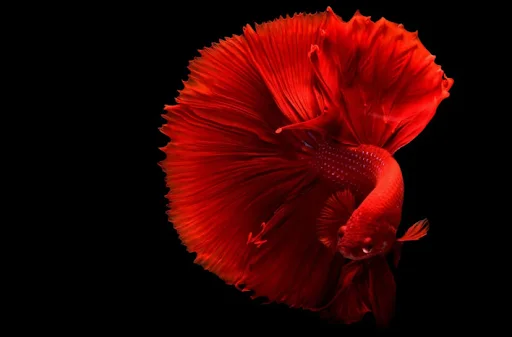
Betta fish are among the most beloved freshwater aquarium inhabitants, often admired for their stunning colors and dramatic fins. However, what many aquarists don’t realize is that the popular vibrant varieties seen in pet shops are quite different from wild type Betta fish found in tropical freshwater habitats. Wild bettas offer a fascinating glimpse into how nature shapes appearance, behavior, and care requirements, making them compelling subjects for both experienced and aspiring keepers alike.
Origins and Natural Diversity
Wild betta fish originate from Southeast Asia, particularly regions such as Thailand, Malaysia, Indonesia, Laos, and Cambodia. They inhabit shallow freshwater environments, including rice paddies, stagnant ponds, swamps, and gently flowing streams. In these habitats, survival depends more on adaptability than on flashy appearance.
Unlike domesticated bettas that have been selectively bred over generations for vibrant colors and flowing fins, wild bettas display more muted, earthy tones. Olive greens, browns, and subtle iridescent flashes help them blend into their surroundings, providing camouflage from predators. Their fins are typically shorter and more functional, allowing agile movement through dense vegetation and shallow waters.
There isn’t just one type of wild betta. Several species exist within the broader Betta genus, each with distinct traits and behaviors. For example, some wild species such as Betta imbellis are known for being relatively calm and less aggressive compared to others. Meanwhile, species like Betta smaragdina can display striking natural iridescence when viewed under ideal lighting conditions.
Behavioral Traits and Temperament
One of the most noticeable differences between wild and domesticated bettas lies in their behavior. Domesticated males, often referred to as Siamese fighting fish, are well known for their aggression, a trait emphasized through selective breeding. In the wild, bettas are also territorial, but confrontations are typically brief and ritualistic. Disputes are often settled through displays of flared fins and gill covers rather than prolonged combat, and once dominance is established, rivals usually retreat.
Interestingly, many wild species exhibit more nuanced social behavior. Some can be housed in pairs or even small groups under carefully controlled conditions. This contrasts with the common belief that all bettas must be kept strictly alone. The opportunity to create more natural, species-specific groupings is one reason wild bettas appeal to dedicated aquarists who enjoy observing authentic fish behavior.
Habitat and Tank Setup
Creating an environment that closely resembles a wild betta’s natural habitat is essential for keeping these fish healthy and thriving. In the wild, water conditions often include soft, slightly acidic water, slow currents, and dense vegetation. Replicating these characteristics in an aquarium helps reduce stress and encourages natural behaviors.
Water Conditions
Temperature: Maintain water temperatures between approximately 75°F and 80°F (24°C–27°C), reflecting the tropical climates of Southeast Asia.
pH and Hardness: Slightly acidic conditions (around pH 5.5–7.0) with soft to moderately soft water are generally preferred by many wild species.
Filtration: Gentle filtration with minimal water flow helps recreate the calm conditions of slow-moving streams and rice paddies.
Aquascape and Plants
A natural-style aquarium should include plenty of live plants, leaf litter, driftwood, and hiding spots. Floating plants and subdued lighting can mimic the dappled shade of overhanging vegetation, while darker substrates help highlight the fish’s subtle colors and enhance the natural appearance of the tank. These features also provide shelter and reduce stress, particularly for shy species.
Live plants such as Java fern, Anubias, and Cryptocoryne are excellent choices. They offer coverage and oxygenation without requiring intense lighting, which could otherwise stress sensitive fish.
Feeding and Nutrition
Wild bettas are primarily insectivores and micropredators in their natural environment. Their diet consists of small invertebrates such as mosquito larvae, daphnia, and brine shrimp. In captivity, offering a variety of high-quality live or frozen foods helps replicate this natural diet and supports better health and vitality. While some wild species may accept flakes or pellets, many show a strong preference for live or frozen options.
Feeding small amounts multiple times a day encourages natural foraging behavior and helps prevent overfeeding. This approach also reduces the risk of water quality issues and health problems such as digestive blockages.
Lifespan and Care Considerations
With proper care, wild betta fish typically live between two and four years in captivity, similar to their domesticated counterparts. Environmental stability is especially important, as wild bettas are often more sensitive to poor water quality and sudden changes than commercially bred varieties. Regular water testing, gentle filtration, and consistent heating all contribute to a healthier aquarium environment.
A common misconception is that bettas can thrive in small bowls without filtration or heaters. While their labyrinth organ allows them to breathe atmospheric air in low-oxygen conditions, this should not be interpreted as tolerance for poor living environments. A properly maintained aquarium with filtration, heating, and routine upkeep provides a significantly better quality of life.
Conservation and Ethical Keeping
Many wild betta species face threats in their natural habitats, including pollution and habitat destruction. Responsible aquarists should source fish from ethical suppliers that support sustainable practices. Learning about the ecosystems these fish come from and supporting conservation efforts fosters a deeper appreciation for wild bettas beyond their ornamental value.
Wild betta fish offer a captivating combination of natural elegance and fascinating behavior. Their understated colors and adaptive traits serve as a reminder that beauty in bettas goes far beyond exaggerated fins and bright hues. With thoughtful care and a well-designed environment, these fish can provide a rich and rewarding aquarium experience.
A thoughtful extension of your interest lives inside this article at Management Works Media.