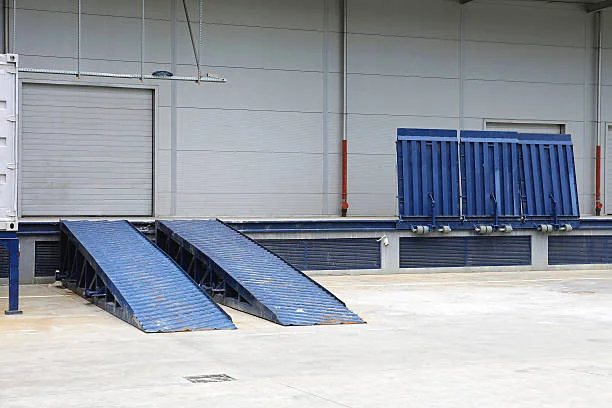
Maintenance might not wear a flashbulb, but it is the quiet force that makes a building hum along or constantly beg for attention. In logistics-heavy spaces, small slips snowball into headaches with surprising speed. The guide treats upkeep not as a technical duty but as a discipline-one that safeguards safety, tightens up long-term costs, and keeps momentum moving. At the very core are dock levelers, the humble bridges between vehicle and floor, absorbing impact and doing work that only becomes visible when neglect is allowed to fester.
Why Maintenance Should Be Treated as Strategy
Maintenance is too often framed as a reaction: something breaks, something is fixed. A sharper view treats it as a strategy. Well-kept movement systems stabilize workflows, reduce fatigue, and shield surrounding infrastructure. Poorly maintained ones send ripple effects-missed schedules, makeshift fixes, and extra wear on neighboring components. The aim of a complete maintenance approach is not flawlessness but predictability.
Every movement system ages, but wear is not uniform. Some parts erode slowly and flag trouble early. Others fail softly until they suddenly quit. The difference is a matter of exposure and frequency. Systems under constant load need more watching than those used intermittently. Usage-driven maintenance planning should replace calendar-driven scheduling. How often, how hard, and under what conditions equipment operates is the first diagnostic tool.
Environmental Factors- Planning Ahead
Maintenance crews that understand their environment adjust inspection priorities as a result- which keeps the dust, debris, moisture and decay at bay. This environmental awareness often saves organizations from premature replacement by tackling causes instead of symptoms. The Leveller Check: Function Before Force Levellers appear simple: to move with ease, align true, and lock correctly. Maintenance should emphasize quality of motion over brute strength. A jerky movement, uneven alignment, or late response often signals hydraulic or mechanical imbalance. Early response protects the supportive structure and reduces the risk of sudden failure at peak operations.
Cleaning is often undervalued because it looks superficial. In truth, it is diagnostic. Maintenance teams which clean with purpose spot issues sooner and plan interventions more effectively.
Scheduling Without Disruption
One of the toughest elements is timing. To take out the movement systems in operation hours is not often possible. Effective facilities plan micro-windows for inspection and servicing, spreading maintenance across shorter, regular intervals rather than infrequent, disruptive overhauls. This smooths out the costs, reduces downtime anxiety, and builds trust between operations and maintenance teams.
The Door as a System, Not a Panel
Halfway along the journey of any motion chain sits the sectional door, easy to misread as a mere barrier. In truth, it is a system of tracks, springs, seals, and controls which are working in concert. Maintenance must be holistic. Focusing only on the visible panels misses the tension network that bears the real load. A door that opens smoothly yet closes unevenly already whispers a rift in balance.
Sound and Speed- Balancing Safety and Efficiency
Still, doors announce their failure long in advance through the sounds they make. Changes in pitch, cadence, or resistance during opening and closing are indicative of wear to rollers or misalignment to tracks. Changes in operating speed during opening and closing also affect safety and energy efficiency. The sweet spot is calibration, instead of being so overly careful that no work gets done in the first place. Sensors, edge protection, and emergency stops need periodic testing-not just for function, but responsiveness. Too-slow-reacting systems are as big a problem as those that trigger needlessly. Calibration keeps safety measures proportional and effective.
Documentation and Training
Facilities change staff more often than systems. And without documentation, maintenance knowledge walks out with people. Clear records-what was serviced, when, and why-build continuity. They let patterns emerge that show recurring issues and inform future decisions. Ensuring meticulous records of all purchases and maintenance records means that a change in operators will not directly mean a kerfuffle as they familiarise themselves with the particulars on your site.
At the same time, correctly maintained documentation is the best and most cost-effective method of new operator onboarding and training- quite literally responsible for future-proofing your site.
Cost Control Through Consistency
The most expensive maintenance event is the unexpected one. Steady upkeep smooths cost curves, replacing spikes with manageable plateaus. This steadiness helps with budgeting and reduces the impulse to push off needed tasks. Steady maintenance over time tends to be cheaper than sporadic spectacular fixes, especially for machines like moving walks, even when those fixes seem cheaper on paper. Though they’re sometimes eclipsed by their vertical counterparts, horizontal movement systems carry their own upkeep hurdles. Surface wear, drive reliability, and handrail alignment all play into how users feel about safety. Real understanding comes from watching them in action under load, not merely from idle tests, and that is where genuine issues reveal themselves.