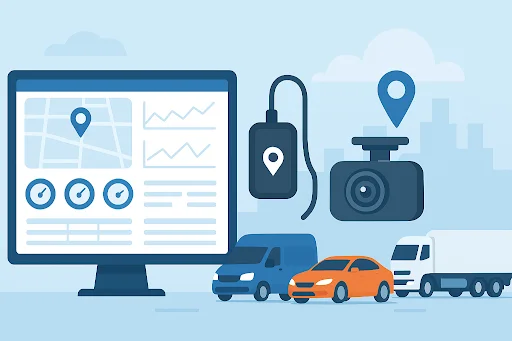
Fleet management has evolved dramatically over the past decade, driven by technological advancements that allow companies to optimize operations, improve safety, and enhance overall efficiency. Two of the most impactful tools in this transformation are the GPS Tracker and dash cam with GPS. When integrated thoughtfully GPS Trackers, these devices provide fleet operators with real-time visibility into their vehicles, data-driven insights, and actionable intelligence that can significantly improve both operational performance and driver accountability.
Understanding how these technologies interact, the trade-offs involved, and the challenges associated with their implementation is essential for any business seeking to modernize its fleet management processes. This article explores the comprehensive impact of GPS tracking and dashcam GPS technology on fleet operations, highlighting both the benefits and considerations necessary for informed decision-making.
Don’t miss out! See related insights that can spark new ideas for your business.
The Rise of Technology in Fleet Management
Traditional fleet management largely relied on manual tracking, paper logs, and reactive maintenance schedules. While these methods could manage small fleets adequately, they often failed to provide the level of precision, accountability, and efficiency required for larger or more dynamic operations.
The introduction of GPS-based technologies has addressed many of these shortcomings. A GPS Tracker allows operators to monitor vehicles in real time, providing data on location, speed, route efficiency, and engine performance. When paired with a dash cam with GPS, fleets gain an additional layer of safety and accountability, recording on-road behavior and incidents while linking video evidence to specific locations and times.
This combination has created a paradigm shift in fleet management, enabling proactive decision-making rather than reactive problem-solving. Operators can now anticipate maintenance needs, optimize routing, ensure driver safety, and substantiate claims or disputes with recorded evidence—all through integrated technology.
Key Benefits of GPS Tracking Systems and Dashcam GPS Trackers
1. Enhanced Operational Efficiency
One of the most immediate advantages of incorporating GPS tracking systems into fleet operations is the ability to optimize routes. By analyzing traffic patterns, road conditions, and vehicle location data, fleet managers can reduce travel time, minimize fuel consumption, and improve overall delivery performance.
Dashcam GPS trackers complement this efficiency by providing context for driver behavior. For instance, if a vehicle frequently deviates from its optimal route or experiences delays, video data can reveal whether the issue stems from traffic, driver decision-making, or external factors. This insight allows managers to refine route planning and implement targeted training, ultimately enhancing operational efficiency without relying solely on theoretical data.
Don’t miss out! See related insights that can spark new ideas for your business.
2. Improved Safety and Compliance
Safety remains a primary concern for fleet managers, particularly in industries where vehicles operate on public roads or in hazardous environments. GPS tracking systems offer continuous monitoring of speed, acceleration, and braking patterns, helping managers identify risky driving behaviors before they lead to accidents.
Dashcam GPS trackers provide visual evidence that further supports safety initiatives. Recording both routine and incident-based driving behavior enables organizations to enforce safety policies effectively. Additionally, for fleets that must comply with regulatory requirements, the combination of GPS location logs and recorded footage can simplify reporting and verification, reducing administrative burdens and liability risks.
3. Predictive Maintenance and Reduced Downtime
Vehicle maintenance is a significant expense for fleet operators, and unexpected breakdowns can disrupt operations and erode profitability. GPS tracking systems provide critical engine data, including diagnostic codes, mileage, and operational stress indicators. This information allows fleet managers to adopt predictive maintenance schedules rather than reactive repairs, minimizing downtime and extending vehicle lifespan.
Dashcam GPS trackers also contribute indirectly to maintenance efficiency. By recording incidents such as minor collisions, harsh braking, or road hazards, fleet managers can identify patterns that may contribute to wear and tear. This data-driven approach helps reduce maintenance costs while maintaining consistent operational availability.
4. Accountability and Driver Behavior Monitoring
Driver accountability is a persistent challenge in fleet management. Without effective oversight, fleets risk inefficiencies, unsafe driving, and operational inconsistencies. GPS tracking systems allow managers to monitor real-time activity, track deviations from planned routes, and evaluate driving performance over time.
The addition of a dashcam GPS tracker provides an objective, visual record of driver behavior, ensuring transparency and fairness in performance evaluations. This dual-layer monitoring not only deters unsafe or unauthorized practices but also creates a culture of accountability, encouraging drivers to adhere to best practices while providing managers with evidence-based insights for training and disciplinary measures.
5. Data-Driven Decision Making
Fleet management is no longer solely about logistics; it has become a data-intensive discipline. GPS tracking systems collect vast amounts of information on location, speed, fuel usage, and maintenance needs. When analyzed effectively, this data can reveal patterns, inefficiencies, and opportunities for cost savings.
Dashcam GPS trackers augment this data by offering visual confirmation of events and environmental factors. Combining sensor-based data with video evidence allows for comprehensive analytics, enabling operators to make informed decisions that improve resource allocation, reduce operational risks, and increase overall productivity.
Trade-Offs and Challenges
While the benefits of GPS trackers and dashcams are substantial, fleet managers must navigate several trade-offs and challenges when implementing these technologies. Understanding these considerations is essential for ensuring that the system provides maximum value without unintended consequences.
1. Cost vs. ROI
Integrating GPS tracking systems and dashcam GPS trackers represents a financial investment. The cost includes the devices themselves, installation, subscription fees for software platforms, and training for staff. For smaller fleets, these costs may seem prohibitive initially.
However, the return on investment can justify the expense over time. Cost savings in fuel, reduced maintenance, accident prevention, and improved operational efficiency often offset the upfront and ongoing costs. Companies must carefully evaluate their fleet size, operational complexity, and expected efficiency gains to determine whether the investment aligns with their strategic goals.
2. Data Privacy and Security
Monitoring vehicles and drivers inevitably raises questions about privacy. Employees may feel that GPS tracking systems and dashcam GPS trackers are invasive, potentially affecting morale and trust.
Organizations must balance oversight with respect for privacy, establishing clear policies that define how data is collected, stored, and used. Transparency and communication are crucial; drivers should understand that monitoring is intended to improve safety, efficiency, and fairness rather than penalize them unnecessarily. Additionally, securing sensitive data against breaches is critical, particularly when video footage and GPS logs contain personal or operational information.
3. Integration and Compatibility
Implementing a GPS tracking system and dashcam GPS tracker requires technological compatibility and integration with existing fleet management software. Some devices may not easily integrate with other platforms, leading to fragmented data and reduced effectiveness.
Selecting solutions that are interoperable, cloud-based, and scalable is essential for long-term success. Fleet managers should consider software flexibility, API availability, and vendor support to ensure a seamless integration that supports evolving operational needs.
4. Managing Data Overload
GPS trackers and dashcams generate massive amounts of data daily. While this data can inform better decision-making, it can also overwhelm managers if not organized and analyzed effectively.
Investing in analytics tools, automated reporting, and alert systems can help filter relevant insights and prevent information overload. Without proper data management, the sheer volume of information may hinder operational efficiency rather than enhance it.
5. Technical Limitations
Despite their sophistication, GPS tracking systems and dashcam GPS trackers have limitations. GPS signals may be obstructed in tunnels, dense urban environments, or remote areas. Similarly, dashcam footage can be affected by lighting conditions, weather, or camera angles.
Understanding these limitations is essential for realistic expectations. Managers must consider supplemental solutions, such as hybrid tracking systems, additional sensors, or periodic manual checks, to ensure reliability across diverse operating conditions.
Strategic Considerations for Implementation
Effective adoption of GPS tracking and dashcam GPS technologies requires careful strategic planning. Companies should evaluate both operational goals and practical constraints to ensure the system delivers maximum value.
1. Define Clear Objectives
Before investing in technology, fleet operators must define what they hope to achieve. Whether the goal is cost reduction, enhanced safety, improved customer service, or regulatory compliance, a clear objective helps determine which devices and features are necessary.
2. Select the Right Devices
Not all GPS trackers or dashcams are created equal. Features such as real-time alerts, cloud storage, remote access, integration with fleet software, and ruggedness for harsh environments vary between devices. Choosing the right combination ensures the system meets operational needs without unnecessary complexity or expense.
3. Train Staff Effectively
Even the most advanced technologies are only effective if employees understand how to use them. Fleet managers should provide training on device usage, interpreting data, and responding to alerts. This ensures that technology enhances performance rather than creating frustration or inefficiency.
4. Establish Policies for Use and Data Management
To maximize benefits and minimize risks, companies should implement policies covering data collection, usage, privacy, and security. Clear guidelines help maintain trust between management and staff while ensuring compliance with legal and regulatory requirements.
5. Continuously Evaluate and Optimize
Fleet management is an ongoing process, and technology should evolve alongside operational needs. Regularly reviewing performance metrics, identifying gaps, and adjusting protocols ensures that GPS tracking systems and dashcam GPS trackers continue to deliver value over time.
The Broader Impact on Fleet Management
Integrating GPS tracking systems and dashcam GPS trackers fundamentally changes how fleets operate. Beyond immediate operational improvements, these technologies encourage a culture of accountability, safety, and efficiency. They enable businesses to:
- Reduce environmental impact through optimized routes and fuel savings.
- Enhance customer satisfaction by providing accurate ETAs and reliable service.
- Strengthen risk management by providing verifiable evidence in accidents or disputes.
- Empower data-driven decision-making by offering actionable insights from real-world operations.
In effect, these technologies transform fleet management from a reactive, manual process into a proactive, analytical discipline capable of driving long-term competitive advantage.
Final Thoughts
The integration of GPS tracking systems and dashcam GPS trackers represents a pivotal advancement in modern fleet management. By providing real-time visibility, actionable insights, and a layer of accountability, these technologies enable organizations to improve efficiency, safety, and operational performance.
However, adopting these tools requires careful consideration of costs, privacy concerns, technical limitations, and data management challenges. Success depends on selecting the right devices, training staff effectively, and continuously evaluating system performance against clearly defined objectives.
Ultimately, businesses that strategically implement GPS-based technologies position themselves to benefit from enhanced operational control, reduced costs, and improved safety standards. As fleets continue to grow in size and complexity, the combination of GPS tracking and dashcam GPS technology will remain a cornerstone of efficient, modern, and competitive fleet management operations.
Ready to dive deeper? Explore more content designed to inspire and inform you.