Hard water affects more than just plumbing. It shortens equipment life, raises maintenance costs, and disrupts daily operations in commercial facilities. In Las Vegas, mineral-heavy water makes system choice even more important. Picking the wrong setup can lead to constant repairs and uneven performance. This article explains how to choose the right soft water system for facilities in Las Vegas. Each section breaks the decision into simple, practical steps that support efficiency, reliability, and long-term use.
Facility managers researching commercial soft water systems in Las Vegas typically want clarity before making a decision. Water conditions, building size, and usage patterns in Las Vegas vary widely. The sections below explain how to evaluate needs, compare system features, and select a solution that fits facility demands without unnecessary complexity.
Understand Local Water Conditions and Demand
Las Vegas water contains high mineral content, which places constant stress on plumbing and equipment. The first step involves understanding how hard the water is and how much water the facility uses daily. Restaurants, hotels, healthcare buildings, and manufacturing sites all show different usage patterns.
Water testing provides a baseline. It helps determine hardness levels and flow needs. In Las Vegas, accurate data prevents undersized systems that fail under pressure. Clear demand analysis ensures the system can keep up during peak hours without losing efficiency.
Match System Capacity to Facility Size
System capacity must align with real-world usage. A system that is too small usually regenerates too usually and wears out faster. A system that is too large wastes space and resources. Proper sizing balances performance and cost.
● Peak Usage Considerations
Facilities should evaluate peak demand times. Kitchens, laundry areas, and production lines usually run simultaneously.
● Growth and Expansion Plans
Facilities that expect growth should account for future demand. A scalable capacity choice avoids replacement sooner than planned.
Compare Regeneration Methods and Controls
Soft water systems differ in how they regenerate and manage salt use. Some regenerate on timers. Others respond to actual water usage. Facilities benefit from systems that adjust to demand rather than fixed schedules.
● Demand-Based Regeneration
These systems regenerate only when needed. They reduce salt and water waste, which matters in Las Vegas.
● Control Panel Simplicity
Clear controls make monitoring easier. Facility staff can respond quickly when adjustments are needed.
Evaluate Space, Installation, and Access
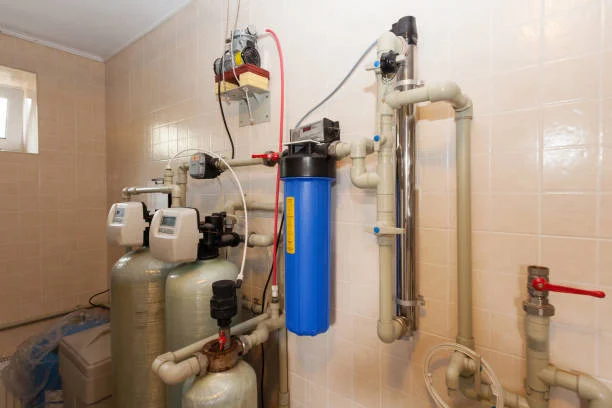
Physical space affects system choice more than many expect. Mechanical rooms, utility closets, and outdoor enclosures vary by building type. Systems need room for service access, drainage, and salt storage.
Facilities usually face tight layouts. Compact designs help fit limited spaces. Easy access supports routine checks and service without disruption. Proper placement improves safety and long-term reliability.
Plan for Maintenance and Professional Support
Even the best system needs maintenance. Facilities should consider service availability and routine care requirements. Simple maintenance keeps systems efficient and avoids breakdowns.
Commercial soft water systems in Las Vegas facilities usually benefit from scheduled inspections. Professional support helps recalibrate settings and replace worn components. Planning for maintenance from the start reduces downtime and unexpected costs over time.
Choosing the right soft water system requires more than price comparison. Understanding local water conditions, matching capacity to demand, reviewing regeneration methods, planning installation space, and preparing for maintenance all matter. When these steps align, facilities gain reliable performance and longer equipment life. A thoughtful approach helps operations manage hard water challenges with confidence and consistency, while avoiding avoidable repairs and disruptions.