A well-designed workspace is more than a stylish corner. Think of it as a silent partner in your productivity. A ResearchGate study shows how the work environment can affect employee productivity. Work environment ecological factors productive workspace, such as lighting and commotion, can help. Conversely, factors such as the absence of ventilation, ineffectively planned workstations, and unsatisfactory office furniture are detrimental.
Thoughtful choices are essential, as they can reduce stress, prevent fatigue, and make it easier for workers to stay in flow. Whether you run a business from a home office or a corporate setting, small, practical changes can transform your environment into a space that consistently supports your best work.
In this article, we will share a few tips that can help you design a workplace that fosters productivity.
Minimize Clutter
A Lexology article highlights how clutter can be a constant source of distraction. Those working in a disorganised workspace often end up wasting time searching for documents or tools. Similarly, mental clutter, such as unproductive thought patterns and unhelpful habits, can drain your cognitive resources.
Minimizing clutter is the first step to creating a productive workspace. Invest in multifunctional storage, such as under-desk drawers or wall-mounted shelves, to keep essentials accessible yet hidden. This creates visual calm that enhances decision-making speed and prevents confusion.
Set up cable organizers and monitor risers to streamline employee setup. This ensures that only daily tools remain in view. This minimalist approach speeds workflows and lowers stress, as a tidy space signals control over chaos.
Maximize Lighting
Forbes rightly refers to natural lighting as the untapped key to workplace productivity. While being invisible to daily consciousness, good lighting goes a long way. It shapes how employees think, feel, act, and even collaborate. Innovative companies treat light as a way to elevate team energy, output, morale, and engagement.
Natural light combats fatigue and elevates mood by regulating circadian rhythms. Desks should be positioned near windows, and sheer curtains should be used to diffuse harsh glare while maximizing daylight exposure. Adjustable LED task lamps that mimic daylight for overcast days or evening work reduce eye strain.
Layering lighting is a good idea. For example, overhead fixtures provide ambient glow, desk lamps help with focused tasks, and bias lighting behind screens minimizes headaches. Dimmable options allow customization, ensuring consistent energy levels for employees throughout the day.
Create Green Zones
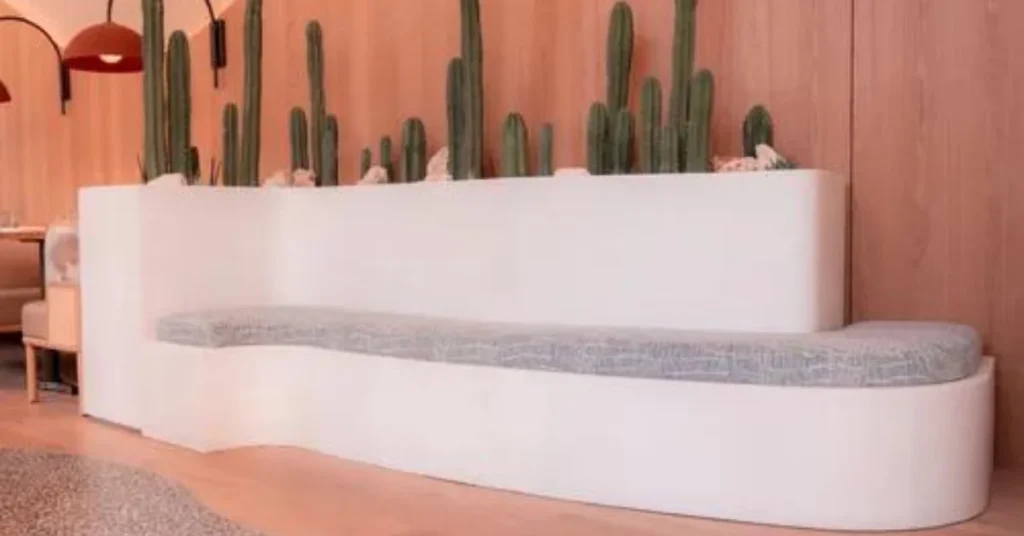
Green zones can do wonders for workplace productivity and creativity. Plants purify air and lower stress hormones. In fact, people say that having plants around them makes them feel fresh and happy. Moreover, they add a touch of sustainability productive workspace to your office, giving your business a branding advantage.
When designing your space, incorporate low-maintenance options like snake plants or pothos on shelves. These plants absorb toxins and boost oxygen flow without requiring effort and care. Designate a “biophilic corner” with a small herb garden or vertical planters near your workstation to create an instant nature escape. Custom planter boxes can make your space look appealing.
PolyMade explains that custom boxes enable you to choose specifications and colors. This means that you can have them tailored to the available space and overall color scheme. Pair with natural wood accents or stone elements for a grounded feel that enhances problem-solving without overwhelming space.
Prioritize Ergonomics
Ergonomic setups prevent strain and sustain long-term productivity. According to the University of South Florida, proper ergonomics can take productivity levels up to 25%. Additionally, they can lower the risk of muscle fatigue by up to 60%. They also reduce the possibility of workplace illnesses, injuries, and absenteeism.
Ensuring workplace ergonomics is easy, but it requires careful choices. Provide employees with adjustable standing desks paired with supportive chairs featuring lumbar support and breathable mesh. The monitors should be aligned at eye level to maintain posture, using footrests if needed for shorter users.
Incorporate peripherals like ergonomic keyboards and mice to reduce wrist tension. Regular micro-adjustments, such as the 20-20-20 rule (every 20 minutes, look 20 feet away for 20 seconds), amplify benefits. In the long run, these simple rules can cut injury risk significantly.
Promote Movement and Wellness
Employee productivity also hinges on movement and wellness. Sitting in the same posture for a long time can be detrimental to muscles and the mind. You can address this risk by implementing some simple measures in your office design. Consider them a small investment for a happy and healthy workforce.
Static desks breed stagnation, so integrate movement to recharge. Use a treadmill desk or under-desk pedal for subtle activity, aiming for 5-10 minutes hourly to spike blood flow and sharpen focus. Create “movement zones” with yoga mats or balance balls for quick stretches, transitioning seamlessly between sitting, standing, and walking.
Consider adding wellness prompts like a visible hourly timer or wall-mounted exercise chart for workers to follow. These serve as constant reminders for them. Hydration stations with infused water encourage breaks, while blue-light glasses and noise-cancelling headphones support flow states amid motion.
FAQs
How does office layout promote productivity?
Office layouts promote productivity by enabling fluid collaboration between employees. Additionally, it can minimize distractions and disruptions. Open collaborative spaces with rearrangeable tables spark idea-sharing, while zoned areas support varied tasks, lifting output by reducing isolation.
Does office design affect the environment?
Yes, office design impacts the environment through material choices and energy use. For example, sustainable elements like plants enhance air quality, creating healthier, eco-friendly spaces. Similarly, efficient lighting lowers emissions and reduces the energy bills for a workplace.
How to budget for workplace remodeling?
Budget by prioritizing ergonomics and lighting first, using modular items for flexibility. You need not invest in a complete makeover at once productive workspace. Starting small with $1,000-2,000 for core changes is a better approach. Eventually, you can scale via phased purchases and ROI tracking for cost-effective gains.
A productive workspace is not about providing your employees with the best tools, equipment, and training. The design of your office can also affect employee productivity. After all, they spend most of the day at work, and a positive environment can affect their health and satisfaction levels. A few simple measures can help you optimize your workplace design for maximum productivity.
Continue your journey: uncover insights that elevate your perspective at Management Works Media.