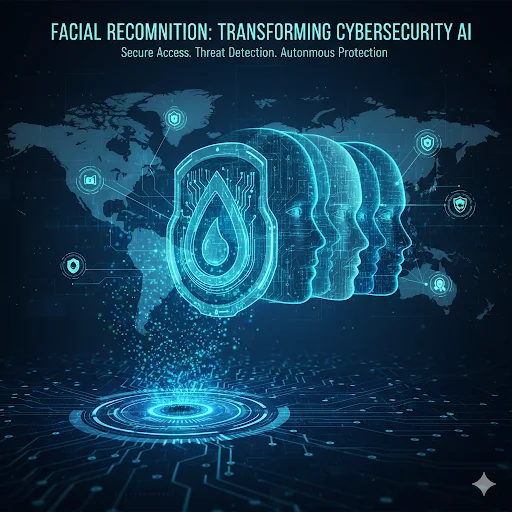
The internet has become an essential part of everyday life. From online payments to remote work and cloud storage, most of our personal and professional activities now depend on digital systems. While this convenience has improved efficiency, it has also increased the risk of cyber threats. Hackers are constantly finding new ways to break into systems, steal data, and misuse identities. In this situation, traditional security methods are struggling to keep up. This is why Cybersecurity AI is gaining attention, especially with the growing use of facial recognition technology.
Facial recognition is changing how cybersecurity works by focusing on who the user really is, not just what password they know. This shift is helping organizations build stronger and more reliable security systems.
The Growing Weakness of Traditional Security Methods
Passwords have been used for decades, but they are no longer effective on their own. Many users reuse the same passwords across multiple platforms, making it easier for attackers to access several accounts at once. Even strong passwords can be stolen through phishing emails or data breaches.
Cybersecurity AI aims to reduce these risks by adding intelligence to security systems. Instead of relying only on static information like passwords, AI analyzes behavior and identity. Facial recognition fits perfectly into this approach because it verifies the physical presence of a real person, making unauthorized access much harder.
Facial Recognition Explained in Simple Terms
Facial recognition works by identifying unique features of a human face. These include the distance between the eyes, the shape of the nose, and the structure of the face. When a person tries to access a system, their face is scanned and compared with stored data.
What makes facial recognition powerful is its integration with AI. Cybersecurity AI systems continuously learn from new data, improving accuracy and reducing errors. Over time, the system becomes better at recognizing the same person under different conditions, such as changes in lighting, facial expressions, or aging.
Why Facial Recognition Matters in Cybersecurity AI
Cybersecurity is no longer just about blocking viruses or malware. It is about preventing unauthorized access at the very first step. Facial recognition helps achieve this by ensuring that the person requesting access is the legitimate user.
In Cybersecurity AI systems, facial recognition acts as a gatekeeper. If the face does not match the registered user, access is denied immediately. This reduces the chances of cybercriminals entering systems even if they have stolen login credentials.
Strengthening Identity Verification
Identity verification is one of the most important areas of cybersecurity. Many cybercrimes happen because attackers successfully pretend to be someone else. Facial recognition helps stop this by linking access rights to a real human identity.
Cybersecurity AI uses facial recognition to verify users during login, financial transactions, and sensitive operations. If anything unusual is detected, such as a different face or abnormal behavior, the system can block access or request additional verification. This approach significantly lowers the risk of identity fraud.
Facial Recognition and Fraud Prevention
Online fraud has increased rapidly in recent years, especially in banking and e-commerce. Cybercriminals often use stolen data to make illegal transactions or access private accounts. Facial recognition adds an extra layer of protection that is difficult to bypass.
By combining facial recognition with Cybersecurity AI, systems can monitor login attempts and transaction activities in real time. If the face does not match the account holder, the transaction is stopped immediately. This makes fraud detection faster and more accurate, protecting both users and organizations.
Improving Access Control for Businesses
Managing access to systems is a major challenge for businesses, especially those with remote teams. Employees join and leave organizations, roles change, and permissions need constant updates. Manual access control systems are often slow and prone to errors.
Facial recognition simplifies this process. Cybersecurity AI systems can grant or restrict access based on facial verification. This ensures that only authorized individuals can enter secure systems. It also helps organizations keep better records of access activity, improving accountability and compliance.
Real-Time Security Monitoring
One of the strongest features of Cybersecurity AI is its ability to work continuously without breaks. Facial recognition supports real-time monitoring by instantly verifying identities during access attempts.
If an unknown person tries to enter a secure system, the AI detects the mismatch immediately. The system can then block access, log the attempt, and alert security teams. This quick response helps prevent serious breaches before they cause damage.
Moving Beyond Password-Based Security
Password management has become a burden for both users and organizations. Forgotten passwords, reset requests, and weak combinations create security gaps. Facial recognition offers a practical alternative.
Passwordless authentication using facial recognition is becoming more common. Cybersecurity AI ensures that the system can detect fake images, videos, or other spoofing attempts. This allows organizations to maintain strong security while making access easier for users.
Privacy and Responsible Use of Facial Recognition
Despite its benefits, facial recognition raises concerns about privacy. Facial data is sensitive, and its misuse can harm user trust. This is why responsible implementation is critical.
Modern Cybersecurity AI systems use encryption and strict data controls to protect facial information. Data is stored securely and used only for verification purposes. Organizations that follow ethical guidelines and data protection laws can use facial recognition without compromising privacy.
The Future of Facial Recognition in Cybersecurity AI
As cyber threats continue to evolve, security systems must become smarter and more adaptive. Facial recognition technology is also improving, with advancements like 3D scanning and liveness detection. These features make it even harder for attackers to fool systems.
In the future, facial recognition will become a standard part of Cybersecurity AI frameworks. Industries such as finance, healthcare, government, and education are already investing in this technology to secure digital identities and sensitive data.
Conclusion
Facial recognition is playing a major role in transforming Cybersecurity AI systems. By focusing on real human identity instead of easily stolen credentials, it provides stronger protection against cyber threats.
When used responsibly, facial recognition improves security, reduces fraud, and enhances user experience. As digital risks continue to grow, the combination of facial recognition and Cybersecurity AI will remain a reliable solution for building safer digital environments.
Top content alert—read our featured posts now at Management Works Media.