Table of Contents
- Introduction
- Engine Overheating
- Dead Battery
- Flat Tires
- Brake Issues
- Transmission Problems
- Infotainment System Glitches
- Preventive Maintenance Tips
- Conclusion
Owning a car is essential for many people seeking independence and convenience, but it can also bring various headaches when persistent vehicle issues arise. Whether it’s due to daily wear and tear or unexpected component failure, car problems often lead to stress, high repair costs, and even safety hazards. By recognizing these challenges early and addressing them proactively, you can minimize their impact and keep your vehicle running reliably. Should car troubles become overwhelming, consulting a trusted Washington DC lemon law attorney may be necessary for unresolved defects and recurring issues.
Persistent mechanical issues can stem from overlooked maintenance, manufacturing defects, or the harsh environments vehicles endure. While modern cars are increasingly complex, balancing advanced technology and intricate systems, staying informed about common issues gives owners the upper hand when faced with potential repairs. Addressing these challenges not only extends the life of your investment but can also keep you and your passengers safe on the road.
Understanding everyday car troubles, ranging from sudden breakdowns to puzzling infotainment malfunctions, is crucial for anyone who relies on their vehicle. This guide walks through the most common persistent vehicle problems and offers practical solutions to keep you ahead of unexpected setbacks.
Regular attention to basic maintenance, inspections, and simple preventive steps can eliminate a large share of typical car issues before they cause inconvenience or damage. Tackling these areas ensures reliability, reduces overall costs, and makes driving more enjoyable.
Engine Overheating
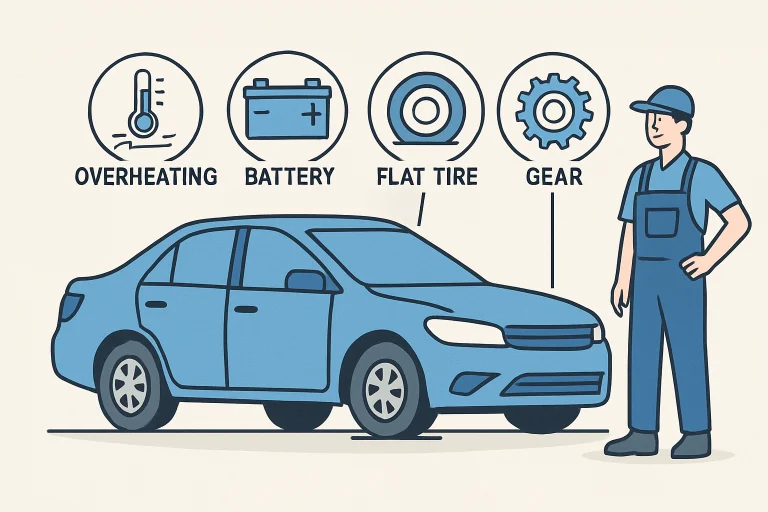
Engine overheating is a common issue that can escalate to severe, costly engine damage if ignored. Common culprits include low coolant, a stuck thermostat, or a leaking radiator. Car owners should make it a habit to monitor their coolant level and inspect for visible leaks. Addressing thermostat malfunctions or replacing worn-out hoses at the first sign of trouble (such as rising temperature gauge readings or steam from under the hood) is crucial in preventing a breakdown. Regularly servicing your cooling system every 30,000 miles is also recommended for peace of mind.
Dead Battery
Few things are more inconvenient than a car that won’t start because the battery is dead. Batteries are especially susceptible to failure during extreme hot or cold weather, but frequent short trips, leaving lights on overnight, and aging alternators also contribute to battery drain. Testing your battery and charging system twice per year and replacing batteries every 3-5 years is sound practice. To minimize the chance of getting stranded, always ensure your lights are off before locking up and keep jumper cables or a battery pack in your trunk for emergencies. For more on battery care, consult the AAA Auto Guide.
Flat Tires
Flat tires can happen unexpectedly, but are often preventable with routine care. Most flats occur from driving over sharp objects, improper inflation, or excessive wear. Inspecting tires monthly for punctures, cracks, or abnormal tread wear helps spot issues early. Keeping tires inflated to the manufacturer’s specification and rotating them every 5,000 to 7,000 miles ensures even wear and prolongs tire life. Additionally, avoid obvious road hazards and consider investing in road hazard protection or a tire sealant kit for added peace of mind.
Brake Issues
Your brakes are among the most vital safety systems on your vehicle. Problems, such as squealing noises or a spongy pedal, often indicate worn brake pads or low brake fluid levels. For dependable performance, check your brake pads at least twice a year and replace them if less than 3mm thick. If you notice grinding sounds or reduced stopping power, have your brakes professionally inspected as soon as possible delays can compromise safety and significantly increase repair costs.
Transmission Problems
Transmission troubles often manifest as difficulty shifting gears, slipping, or strange noises while the car is in motion. Low transmission fluid, worn clutch plates, or internal gear damage are typical sources of these issues. Regularly checking and replacing transmission fluid according to your owner’s manual can head off many problems. Address symptoms immediately; ignoring them can lead to complete transmission failure and costly repairs.
Infotainment System Glitches
Technological advancements mean today’s vehicles feature sophisticated infotainment systems that, unfortunately, can often malfunction, resulting in frozen touchscreens, Bluetooth connectivity issues, or audio issues. Regularly updating your system’s software and rebooting the interface may resolve many problems. For recurring or unfixable glitches, check warranty coverage or consult manufacturer bulletins, as software patches or recalls may be available. Staying proactive with updates ensures your system works smoothly throughout your vehicle’s life.
Preventive Maintenance Tips
- Regular Inspections: Bring your car in for professional inspections at least twice a year to identify potential issues before they become major repairs.
- Fluid Checks: Make it a routine to check your oil, coolant, brake, and transmission fluids, topping off or replacing as needed.
- Tire Maintenance: Monitor pressure and rotate tires regularly to maximize lifespan and safety.
- Brake System: Have your brake system examined during each oil change or at least every 6 months.
- Battery Care: Test your car battery annually as it approaches 3 years old and replace it when performance drops.
Conclusion
Dealing with persistent vehicle problems can be overwhelming, but most car issues are manageable and preventable with consistent maintenance. Learning to recognize early warning signs, seeking timely repairs, and staying vigilant about preventive care are the biggest steps car owners can take to keep their vehicles dependable. If persistent or recurring issues continue despite diligent care, consulting an expert, both mechanical and legal, as needed, ensures you’re not left to navigate complex challenges alone. Taking proactive steps today pays off in safety, savings, and peace of mind on the road.