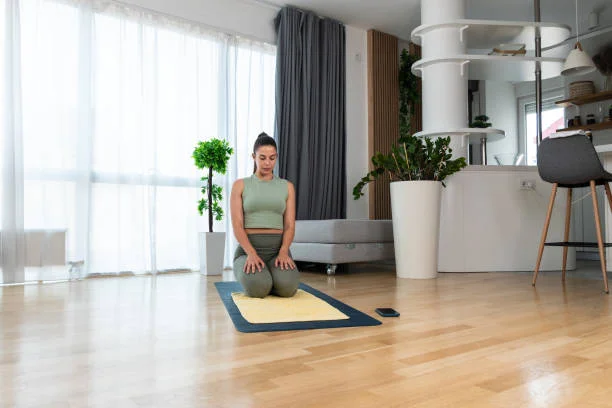
Homes today are doing more than ever. They’re offices, gyms, classrooms, and places to unwind — sometimes all in the same day Grounding mat. With so much happening under one roof, it’s no surprise that people are paying closer attention to how their home environment affects how they feel.
From lighting and air quality to noise and furniture, small details are being rethought in the name of comfort and wellbeing. One simple addition that’s gaining interest is the grounding mat. It’s not flashy or complicated, but it’s quietly becoming part of how people think about balance and relaxation at home.
So why are grounding mats showing up in more modern homes? The answer lies in how people live today — and what they’re looking for from their spaces.
Modern Living Has Changed How We Spend Our Time Indoors
Many of us now spend most of our day inside. We work on laptops, relax in front of screens, and move between rooms without ever stepping outdoors. While this lifestyle is convenient, it can also feel mentally and physically draining.
Across different industries, there’s growing awareness of this shift. Workplace designers focus on ergonomic desks and movement breaks. Healthcare professionals talk about reducing prolonged sitting. Even technology companies promote “digital wellbeing.”
Grounding mats fit naturally into this conversation. They’re designed to be used while sitting, standing, or resting — whether at a desk, on the couch, or on the floor. Instead of asking people to change their schedules, grounding mats adapt to daily routines.
It’s the same reason standing desks and adjustable chairs became popular. People want tools that fit into real life, not ones that require constant effort or discipline.
The Appeal of Simple, Low-Effort Wellness Tools
One reason grounding mats are gaining attention is that they’re simple. There’s no learning curve, no tracking, and no rigid rules. You place the mat where you already spend time and go about your day.
This mirrors a broader wellness trend. People are moving away from extreme routines and toward small, sustainable habits. Think of reusable water bottles that encourage hydration or softer lighting that signals the body to wind down in the evening.
Grounding is based on the idea of reconnecting with the earth’s natural electrical balance. This concept is often discussed in relation to earthing, which looks at how contact with the ground may influence the body’s electrical state.
You don’t need to dive into science to appreciate why people are curious. Many describe grounding as a calming, settling feeling — similar to the sense of ease that comes from walking barefoot on grass or sand.
Why Grounding Mats Make Sense for Home Use
What makes grounding mats particularly appealing is flexibility. Unlike sleep-only products, a mat can be used throughout the day.
Some people place one under their desk while working. Others use it while reading, stretching, or relaxing in the evening. In homes where space is shared or multifunctional, this adaptability matters.
For people exploring options like Grounding mat for home use, the interest often stems from a desire for a quiet layer of support — something that complements daily habits rather than interrupting them.
This approach reflects how modern homes are being designed. Open layouts, multipurpose rooms, and minimalist setups all aim to reduce friction and support flow. A grounding mat aligns with that philosophy.
Wellness Is Becoming More Environmental Than Instructional
Another reason grounding mats are gaining traction is a shift in how people think about wellness. Instead of focusing only on actions — workouts, routines, schedules — people are paying attention to their surroundings.
In hospitality, hotels invest heavily in sleep-friendly rooms. In retail, stores design spaces to reduce sensory overload. In healthcare, healing environments are carefully considered.
At home, this translates to creating spaces that support calm without constant effort. Lighting, temperature, sound, and textures all play a role. Grounding mats are often viewed as part of this environmental approach — something that subtly supports the body while you go about your day.
It’s not about forcing relaxation. It’s about making it easier for the body to settle naturally.
A Gentle Option for People Seeking Balance
Many people drawn to grounding mats aren’t looking for dramatic changes. They’re looking for balance.
They might already exercise, eat reasonably well, and try to manage stress — but still feel a bit overstimulated or fatigued. Grounding mats appeal because they’re gentle. There’s no intensity, no performance goal, and no pressure.
This gentle quality resonates with people who feel overwhelmed by constant self-improvement messaging. Sometimes, the most supportive tools are the ones that ask the least of you.
In that sense, grounding mats are similar to practices like stretching, deep breathing, or taking quiet breaks. They don’t solve everything, but they contribute to an overall sense of wellbeing.
Why Interest Is Growing Now
The timing of this trend isn’t accidental. As work-from-home arrangements, hybrid schedules, and screen time increase, people are reassessing what they need from their living spaces.
Homes are no longer just places to sleep. They’re environments that influence mood, energy, and focus throughout the day. Grounding mats fit into this evolving role of the home — not as a medical device or a trend to chase, but as a practical option to explore.
The growing interest reflects a desire for calm, balance, and simplicity in a busy world.
A Quiet Addition to Modern Homes
A grounding mat doesn’t demand attention. It doesn’t beep, buzz, or track metrics. It simply sits there, doing its job in the background.
That quiet presence is exactly why many people are curious. In a world full of noise and stimulation, subtle solutions stand out.
As modern homes continue to evolve into spaces of work, rest, and recovery, it makes sense that people are exploring tools that support wellbeing without adding complexity. For many, grounding mats represent that balance — simple, adaptable, and easy to live with.
Expand your perspective with a post that complements what you just read.