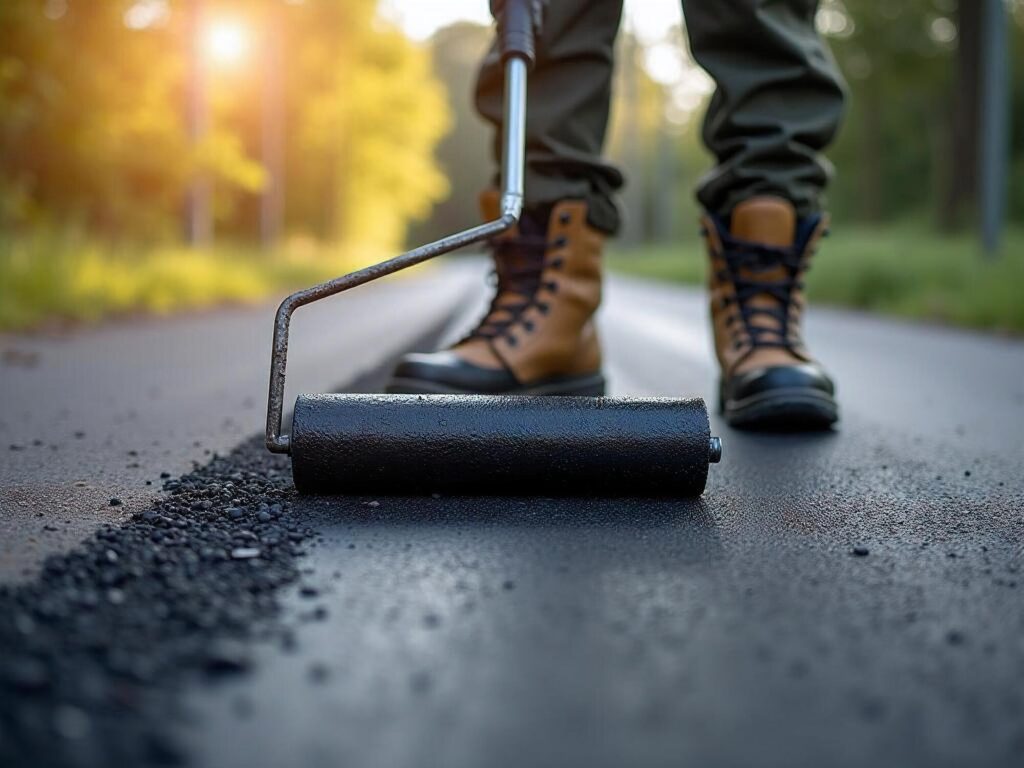
Have you ever wondered what makes a surface last for years?
Building a strong surface takes more than just materials and tools. Small choices during construction can change how long a surface stays safe and smooth.
Knowing what factors matter can save time, money, and frustration. Keep reading to find out how to create surfaces that stand the test of time.
Choosing the Right Material
Choosing the right material sets the stage for a surface that lasts many years. Different materials handle pressure, weather, and wear in different ways. Talking with experts can help pick the best option for your project.
Many people use paving services to get advice on the right material. These professionals can explain which materials work well for certain surfaces. They can also suggest options that save time and effort during installation.
Good materials make work easier and results stronger. Picking a material that fits the area and use keeps the surface safe and smooth. Taking time to choose carefully pays off in long-term strength and durability.
Preparing the Base Properly
A strong surface starts with a base that is firm and even. If the ground is uneven, the surface may crack over time. Taking time to level and compact the area makes future work much easier.
Using the right materials for the base is important for stability. Sand, gravel, and crushed stone often provide a strong foundation. Each layer should be compacted well to support the surface above it.
Checking the base before laying the surface saves problems later. Small errors now can lead to cracks or dips in the future. Careful preparation makes the whole project last longer and stay safer.
Ensuring Proper Drainage
Water can cause damage if a surface does not drain well. Surfaces that hold water may develop cracks or become slippery. Designing slopes or channels helps water flow away safely.
Drainage systems can be simple but still very effective. Even small changes in the slope can prevent pooling. Good drainage also protects nearby structures and plants from water damage.
Looking at how water moves before construction helps plan the surface correctly. It is easier to fix drainage early than after damage occurs. A well-drained surface will last longer and stay easier to use.
Managing Weather Conditions
Weather can affect the construction process in many ways. Rain, extreme heat, or freezing temperatures can make materials hard to work with. Planning the project around suitable weather improves results and reduces problems.
Cold weather can slow down drying or curing times for certain materials. Hot weather may cause surfaces to expand or materials to crack. Knowing the forecast helps decide when to lay or treat the surface.
Protecting work from sudden changes in weather keeps materials safe and strong. Covering materials or pausing work can prevent mistakes and damage. Working with the weather in mind saves time and keeps surfaces lasting longer.
Selecting Quality Tools
Good tools make work easier and results stronger. Using the wrong tool can slow down work and cause mistakes. Taking time to pick durable and reliable tools pays off in the end.
High-quality tools help apply materials evenly and safely. They can reduce fatigue and make work more comfortable. Even small errors become easier to avoid with the right equipment in hand.
Checking tools before use keeps work on track and surfaces intact. Sharp edges, smooth surfaces, and proper handles improve performance. Investing in quality tools helps projects stay smooth and last longer.
Controlling Installation Techniques
How materials are placed affects how long a surface will last. Spreading or compacting unevenly can lead to cracks or dips over time. Learning proper installation methods improves both safety and durability.
Small adjustments during work can prevent big problems later. Taking time to align and level materials makes the surface stronger. Following careful steps ensures materials stay in place under heavy use.
Watching work closely while installing keeps mistakes from growing. Pausing to correct small errors helps the surface stay safe. Using steady, even techniques supports long-lasting results for the project.
Applying Protective Coatings
Protective coatings shield surfaces from weather and daily wear. They prevent damage and extend the life of the materials. Choosing the right coating for the surface type is very important.
Applying coatings evenly ensures every part of the surface is protected. Skipping areas or spreading too thin can let water or dirt cause damage. Proper coating creates a strong barrier against cracks or fading.
Some coatings need time to dry and cure completely. Following instructions for application keeps surfaces smooth and safe. Protective layers help surfaces stay strong and easy to use for years.
Scheduling Regular Maintenance
Regular maintenance keeps surfaces in good shape and prevents small problems from growing. Checking surfaces often helps spot cracks, chips, or other damage early. Fixing minor issues is easier and costs less than repairing big damage.
Cleaning surfaces removes dirt, debris, and substances that can weaken materials. Simple maintenance can improve safety and extend the life of the surface. Consistent care keeps the area looking neat and functioning well over time.
Scheduling inspections and upkeep creates a routine that supports durability. Catching issues early prevents accidents and bigger repair needs. Surfaces that are maintained regularly last longer and stay safer for everyone.
Planning for Long-Term Use
Thinking about how a surface will be used over time helps it last longer. High traffic areas may need stronger materials and extra support. Considering long-term use prevents problems that could appear after a few months or years.
Planning also includes imagining weather, heavy loads, and daily wear. Surfaces designed for future needs stay smoother and safer for longer periods. A clear plan helps make smart choices from start to finish.
Updating plans as needs change keeps surfaces useful and strong. Adding improvements or adjustments over time supports lasting performance. Careful planning helps surfaces handle use and maintain quality for many years.
All About Getting Long-Lasting Surface Construction
Building a surface that lasts takes care and attention at every step. Small actions during work can make a big difference over time. Surfaces that are well-made stay strong, safe, and smooth for years.
Patience and careful work help prevent problems later. With the right approach, you can create something that stands up to daily use and time.
If you enjoyed our post and information, make sure to check out the rest of our site for more informative content!