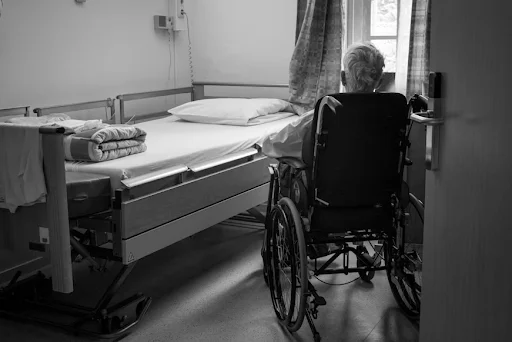
Nursing home abuse is more common than most families expect. Estimates show that one in 10 elders (above the age of 60) has experienced some form of abuse Nursing Homes. Since many of these elders live in nursing homes, it’s important for families to know what abuse looks like and how to respond to it.
The main question families have is: who can be held answerable in a legal sense? Many times, the care facility itself is named in a lawsuit because it is responsible for hiring and supervising staff members. Individual workers may also be held responsible if they caused harm through their actions or omissions. The article below discusses who is legally responsible in cases of nursing home abuse. We also discuss what your next steps should be after identifying the perpetrator.
Who Can Be Held Responsible
When a resident suffers abuse or neglect in a long-term care setting, the law allows claims against more than one party. A facility may bear legal responsibility if it fails to provide a safe environment. This can include poor staffing levels, inadequate training, and lax supervision.
Owners and corporate operators may also face liability. If they set policies that force understaffing or cut corners on basic care, courts can hold them answerable for harm caused by their decisions. The following parties may be held responsible.
Individual Staff Members and Contractors
Care aides, nurses, and other staff members can be held personally liable for intentional acts that harm residents. This includes physical mistreatment Nursing Homes, emotional abuse, and neglect that leads to injury.
Supervisors and administrators have a duty to act on known risks. If they knew about reports of abuse and did nothing, they may also share liability. Some facilities contract with outside providers for services like therapy or security. If employees of those contractors injure a resident, the contractor might bear responsibility as well.
Medical Providers
Licensed healthcare professionals working in a nursing home are obligated to meet standards of care. When errors like wrong medications, ignored infections, or missed signs of decline cause harm, they can be named in legal claims.
In usual cases, other residents or visitors who cause harm could be held responsible. If a nursing home failed to protect a resident from a known threat, the facility might also face liability for that failure.
Signs of Abuse Families Should Watch For
Families play the most important role in spotting and reporting nursing home abuse. Look for unexplained injuries, such as bruises, broken bones, or severe bedsores. These can point to physical neglect and misuse of restraints.
Changes in behavior, weight loss, poor hygiene, and fear of certain staff members are also red flags that may indicate harm. Basic needs like food, water, and medical care should be met consistently. When these are missing, you may need to take action immediately.
Documentation of these signs helps later if you choose to pursue legal action. Take notes, photos, and copies of medical records that show what has happened over time. Every state has a fixed period to file a lawsuit. This legal deadline, also known as the statute of limitations, varies by jurisdiction, so you must hire a nursing home abuse attorney quickly if you think a loved one has been harmed.
The Nursing Home Abuse Center can provide a free review of your case to help you determine its legal basis. Before or at the same time as a lawsuit, you may file reports with your state’s health department or adult protective services. These reports become part of the record and support the evidence you present in a claim.
Endnote
Abuse in care facilities is distressing for families and their loved ones. If you suspect something is wrong, start with observation and documentation Nursing Homes. For serious harm or clear signs of treatment, work with an abuse attorney to take action against the liable party. The sooner you act, the less the chance of the abuse escalating.
Top story of the moment—crafted to inspire action and expand your understanding.