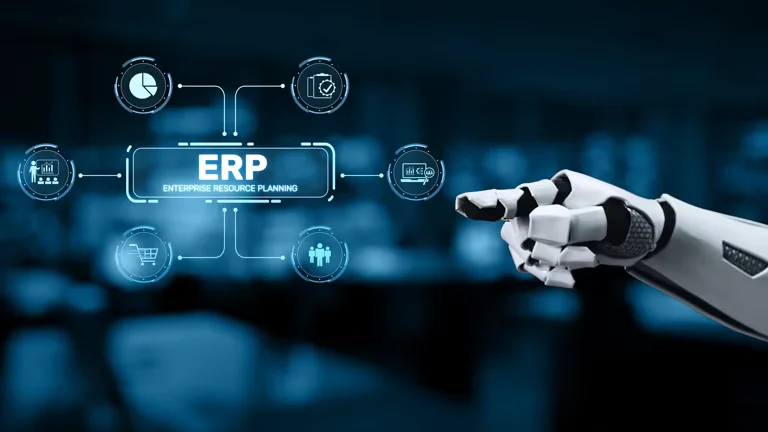
In today’s fast-paced business environment, companies are perpetually on the lookout for tools and systems that can provide a competitive edge. One such tool is an ERP solution, which stands for Enterprise Resource Planning. ERP systems are comprehensive software platforms used by organisations to manage daily business activities such as accounting, procurement, project management, risk management, and compliance.
Streamlining Business Processes
ERP solutions are designed to streamline and automate business processes. By integrating all facets of an operation, including product planning, development, manufacturing, sales, and marketing, ERP provides a single source of truth. This integration ensures that all stakeholders in the company have access to consistent and up-to-date information, thereby facilitating better decision-making and reducing operational inefficiencies.
Enhanced Collaboration
By consolidating disparate systems, ERP solutions enhance collaboration within the organisation. It becomes easier for departments to work together effectively when they operate with the same data and can update information in real-time. This enhanced collaboration not only improves workflow but also boosts innovation as team members have more insights into their colleagues’ work.
Improved Productivity
The automation of routine tasks allows employees to focus on more strategic activities that add greater value to the business. By taking advantage of the efficiencies provided by an ERP system, companies can significantly improve productivity. Removing mundane tasks also improves employee satisfaction, as teams can dedicate more time to creative and engaging projects.
Accurate Reporting
Accuracy in reporting is a crucial element for the success of any business. ERP systems provide advanced reporting capabilities that allow organisations to gain deep insights into their operations. With these systems, companies can generate comprehensive reports that reflect real-time data, enabling quicker responses to business challenges and opportunities.
Scalability and Flexibility
One of the distinct advantages of an ERP solution is its scalability. As businesses grow, their needs evolve, and ERP solutions can be scaled accordingly. This flexibility is invaluable for organisations looking to expand their operations or enter new markets. An adaptable ERP system can effortlessly accommodate these changes, ensuring that the business infrastructure remains robust and aligned with its objectives.
Cost Efficiency
Though the initial investment in an ERP system might seem extensive, the long-term cost benefits are significant. By improving business processes and reducing wastage, ERP systems help in cutting down operational costs. Additionally, the real-time data provided by ERP can lead to more intelligent financial decisions, which can further bolster the bottom line.
Regulatory Compliance
Meeting regulatory compliance requirements is a complex yet crucial aspect for many organisations. ERP solutions come equipped with tools that help businesses adhere to stringent regulations. They offer reporting and auditing features that make compliance an integrated part of business operations, reducing the risk of non-compliance and associated fines.
Improved Customer Service
ERP software significantly enhances customer service by providing employees with instant access to customer information. This access facilitates quicker response times and better, more personalised service, which can lead to increased customer satisfaction and loyalty.
Data Security and Integrity
Organisations handle a plethora of sensitive data and ensuring its security is paramount. ERP systems offer robust security features that prevent data breaches and ensure data integrity. By having secure and centralised data management, companies can protect their informational assets from internal and external threats.
Competitive Advantage
Implementing an ERP solution can provide companies with a significant competitive advantage. It helps in aligning the business during its growth stage by providing critical insights that are invaluable for strategic planning. With such a system in place, companies are better prepared to adapt to market changes and seize new opportunities.
Reduced IT Complexity
Instead of managing multiple tools and systems, an ERP solution consolidates and simplifies IT architecture. This reduction in complexity leads to lower IT maintenance costs and fewer disruptions, as everything is managed within a single platform, which can be updated and customised easily as per business requirements.
Integration with Other Software
The ability of ERP systems to integrate with other software applications is another major benefit. Whether it is a customer relationship management (CRM) system or a supply chain management (SCM) tool, ERP solutions can seamlessly work with other technology, providing a more unified view of business processes.
Real-Time Data and Analytics
Real-time data ad analytics capabilities provide companies with immediate insights into their operational efficiency. With ERP systems, businesses can monitor and analyse performance metrics on-the-fly, allowing for swift operational adjustments and better resource management.
Employee Satisfaction
By streamlining daily tasks and improving work experience, ERP solutions contribute to higher levels of employee satisfaction. Motivated employees are more productive and engaged, driving better business outcomes and fostering a positive workplace culture.
Conclusion
The benefits of implementing an ERP solution are manifold, including enhanced efficiency, improved collaboration, and insightful analytics. Companies of all sizes can leverage these advantages to drive growth and maintain a competitive edge in their industry. With the right ERP system in place, businesses can streamline operations and prepare for future success.