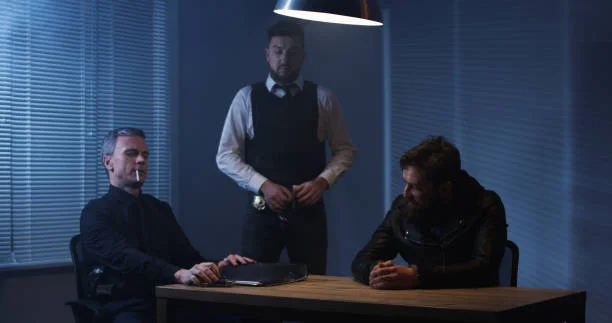
When someone is facing major criminal charges, the fear is not abstract. It is jail time, shattered family life, and a future that suddenly looks blank. In those moments, defense representation for serious legal accusations is not just about statutes and case law; it is about helping a human being survive crushing psychological pressure while making huge decisions.
Living Under The Weight Of Life‑Altering Consequences
Serious charges immediately change how a person moves through the world. The looming possibilities, long prison terms, felony records, and registration requirements do more than scare. They can narrow a person’s thinking, making it hard to see past the worst‑case scenario. That kind of tunnel vision can affect how they remember facts, process options, and interact with their own lawyers.
Defense teams know this pressure is not a side issue. It sits in the middle of every choice: whether to talk to investigators, accept a plea, or testify. Ignoring the emotional storm leads to bad decisions, even if the legal arguments are strong.
Public Scrutiny And The Loss Of Privacy
In high‑profile cases, the public dimension adds another layer. Names and photos land in headlines, comments flood social media, and neighbors whisper or stare. The accused may feel as if their entire life has been reduced to a single label.
That scrutiny reaches families, too. Partners, children, and parents may face questions at work or school. Friends may pull away, unsure what to believe or how to help.
Defense teams have to factor this environment into their strategy. They may advise clients to limit their social media use, avoid certain public places, or change their routines for safety. They also consider how pretrial publicity might affect jury pools and whether to seek changes of venue or more intensive questioning of potential jurors.
How Stress Affects Memory, Communication, And Choices
Intense stress messes with the brain’s ability to store and retrieve information. A client may mix up dates, forget details, or fixate on the wrong parts of a story. That does not always mean they are lying; it may mean their nervous system is overloaded.
Communication can break down in subtle ways. A client might nod along in meetings without really absorbing what is said, just to end the conversation. They may avoid bringing up confusing or embarrassing facts that are actually critical to the defense.
Skilled defense teams slow down to account for this. They repeat explanations in different ways, use timelines and visuals, and check understanding instead of assuming it. They know that an overwhelmed client is less likely to voice doubts or ask essential questions.
Building Mental Resilience As Part Of The Defense
Good defense work is not therapy, but it often borrows some of its tools. Lawyers may encourage clients to maintain routines where possible, sleep, eat, and move, because those basics stabilize mood. They might suggest counseling or psychiatric support when anxiety, depression, or panic become overwhelming.
This is not just kindness; it is functional. A client who can think clearly is better able to help identify witnesses, locate documents, and explain context. They are also better equipped to withstand extended interviews, cross‑examinations, and the grind of a drawn‑out case.
Adapting Strategy To A Client’s Emotional State
Behind the scenes, legal strategy is often shaped by the pressure a client can realistically withstand. A technically sound plan that demands years of unresolved uncertainty might push someone already near the edge over the edge. Defense teams weigh legal strength against emotional cost.
For example, if going to trial means another year in pretrial detention with slim chances of acquittal, that weighs heavily. A plea that guarantees a shorter, defined outcome may be easier to live with, even if it hurts to accept.
Timing matters, too. Experienced attorneys often buy time when they can, using early hearings to stabilize the situation before locking in major choices.
Preparing Clients For Courtroom Reality
Walking into a courtroom for a major hearing or trial is its own psychological event. The accused sits in a room where strangers will judge the most intimate and painful parts of their life. That is not something you can simply “tough out.”
Defense lawyers often rehearse what the day will look like. Where the client will sit, who will be present, and how long things may take. They discuss how to handle seeing complainants, investigators, or former associates across the room.
If the client will testify, preparation includes not just facts, but coping with nerves. Practicing being interrupted, asking the same question in different ways, and staying calm under pressure is part of that. The goal is not to script answers but to build enough familiarity that the moment does not feel completely foreign.
Law, Pressure, And The Human Being At The Center
Major criminal charges do not occur on neutral grounds. They take place in real lives that have a lot to deal with, like rent payments, kids’ questions, and the ever-present fear.
The best defense representation for serious legal accusations is aware of both the legal and psychological dimensions. It alters the rhythm, communication, and strategy in response to the client’s fluctuating ability to cope under pressure. Besides, it does not forget that there is a person behind every file number, who is trying to hold it together while the system is testing them.
Conclusion
No legal team can remove the fear or the pressure of possible consequences. However, a wise and flexible method can prevent that pressure from completely overwhelming the client’s voice and judgment. In situations where everything is at stake, the balance between hard lawyering and humane support is not an extra; it is part of doing the job right.