Is your business roof ready to handle another year of wear and weather? Many owners forget about the roof until a problem appears. Small damage can turn into costly repairs if ignored.
Regular roof inspections help you spot issues early. They also protect your building, staff, and equipment. This guide explains why annual roof checks matter for your business. Start reading now and learn how to keep your roof strong and safe all year.
Roof Inspection Basics
Regular roof inspections help protect your business building. They help find small problems before they grow worse. Cracks, loose materials, and weak spots are easier to fix early. Inspections should happen at least once a year. It is best to check the roof after heavy rain or storms. Safety should always come first during any roof check.
Walk carefully and avoid unsafe areas. Look for signs of water pooling on flat roofs. Check drains and gutters for clogs or damage. Inspect flashing around vents and edges. Watch for stains or leaks inside the building. Keep notes and photos of any issues found. These basics support a strong annual roof maintenance plan.
Business Roof Guide
A clear plan helps businesses care for their roofs. The roof protects the building, workers, and equipment. Regular checks reduce the risk of sudden damage. Each roof type needs the right inspection method. Flat roofs often hide water and debris. Sloped roofs can show loose or broken materials.
Weather can slowly weaken roof surfaces over time. Inspections help spot wear from sun, wind, and rain. Small repairs can prevent large costs later. Trained professionals can find problems others miss. Business owners should keep inspection records. These records help plan future repairs. A simple guide supports safe and steady annual roof care.
Annual Maintenance
Regular annual maintenance keeps roofs in good condition. It helps prevent leaks and water damage. Inspections once a year catch small problems early. Checking drains and gutters is part of the process. Flat and sloped roofs need different care steps. Flashing around vents and edges should be inspected. Weather can cause cracks and wear over time.
Cleaning debris from the roof extends its life. Repairs found during inspections should be done quickly. Maintenance also protects employees and property. Records of work help track roof health over time. Annual maintenance reduces unexpected costs. A consistent schedule keeps the roof strong and safe.
Inspection Schedule
A clear inspection schedule keeps roofs in top shape. Most businesses check their roofs once a year. Some roofs may need extra checks after storms. Early spring or fall is a good time for inspections. Regular checks help spot leaks and damage early. Flat roofs may need more frequent monitoring. Sloped roofs can show wear after heavy rain or snow.
Schedule inspections for drains and gutters too. Keep a calendar to track all roof checks. Note any repairs needed during each visit. Professional inspections can be planned ahead of time. A consistent schedule saves money on big repairs. Following a set schedule protects the building all year.
Roof Safety Steps
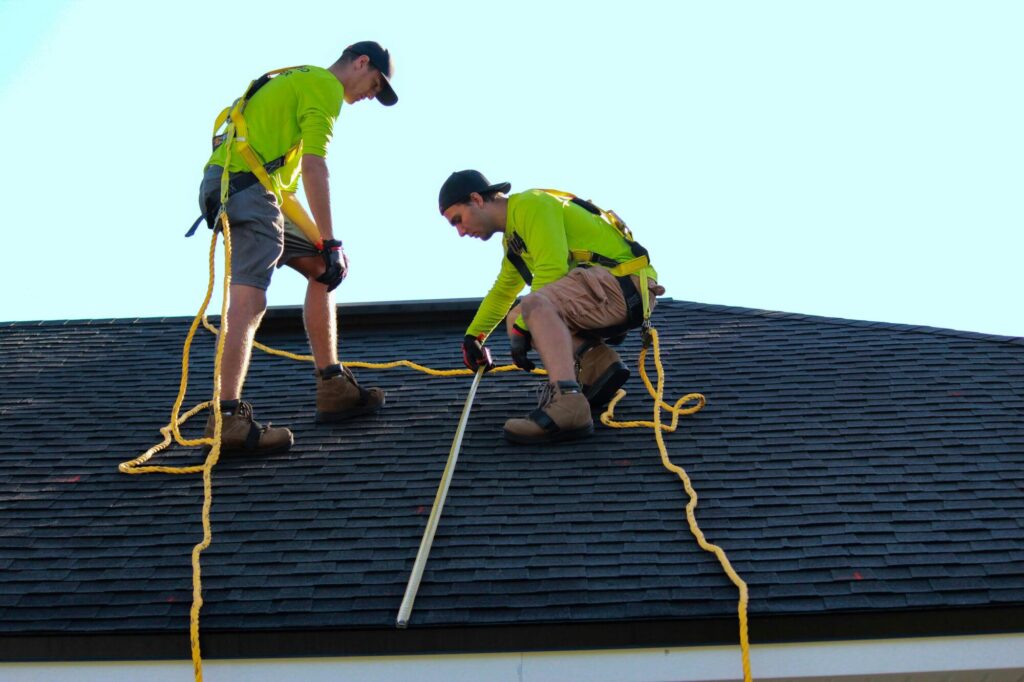
Always put safety first when inspecting a roof. Wear proper shoes with good grip. Use a safety harness on steep or high roofs. Avoid working on the roof in wet or icy conditions. Make sure ladders are stable and secure. Keep tools organized to prevent trips or falls. Never inspect the roof alone if it is dangerous.
Watch for weak spots or damaged areas. Stay away from edges and overhangs. Clear debris carefully before walking on the roof. Follow local safety rules and building codes. Use protective gear like gloves and helmets. Safe steps prevent accidents and keep inspections effective.
Common Roof Issues
Leaks are one of the most common roof problems. Cracks can form in shingles, tiles, or membranes. Loose or missing materials make the roof weak. Clogged gutters cause water to pool on the roof. Flashing around vents and chimneys can fail. Ponding water on flat roofs can lead to damage.
Sun and weather can wear down roofing materials. Mold or algae may appear in damp areas. Roof edges can lift or curl over time. Nails and fasteners can loosen and fall out. Roof vents can get blocked or broken. Storms often cause dents, holes, or punctures. Identifying these issues early saves money and stress.
Flat Roof Checks
Flat roofs need regular checks to stay safe. Water can collect and cause damage if not drained. Look for cracks or blisters in the roofing material. Check seams and joints for gaps or lifting. Inspect drains and scuppers for clogs or blockages. Remove leaves, dirt, and debris from the surface. Look for signs of leaks inside the building.
Check flashing around vents, skylights, and edges. Watch for signs of mold or algae growth. Make sure the roof surface is even and stable. Repair small damage before it becomes worse. Take photos and notes during each inspection. Regular flat roof checks extend the roof’s life.
Pitched Roof Checks
Pitched roofs need careful inspections to stay strong. Look for missing or broken shingles or tiles. Check for cracks or splits in the roofing material. Inspect flashing around chimneys, vents, and skylights. Watch for signs of water leaks inside the building. Make sure gutters and downspouts are clear. Check for moss, algae, or mold growth.
Look for loose nails or fasteners on the roof. Inspect the roof edges for curling or lifting. Watch for sagging areas that may show damage. Remove debris like branches or leaves from the roof. Small repairs prevent larger, costly problems later. Regular pitched roof checks protect the building all year.
Drainage Systems
A good drainage system keeps water off the roof. Clogged drains can cause water to pool. Check all roof drains for debris and blockages. Clean gutters and downspouts regularly. Make sure water flows freely away from the building. Inspect drain pipes for cracks or leaks. Flat roofs need special attention to drains and scuppers.
Check that drains are properly secured and sealed. Look for rust or corrosion on metal parts. Standing water can damage roofing materials. Proper drainage prevents leaks and structural problems. Regular checks help avoid costly repairs. Maintaining the drainage system protects the roof all year.
Gutter Inspections
Gutters help direct water away from the roof and building. Clogged gutters can cause water damage and leaks. Check gutters for leaves, dirt, and debris. Remove any blockages to keep water flowing. Inspect for cracks, holes, or rust in the gutter material. Make sure gutter joints are sealed and secure. Check that gutters are properly angled for drainage.
Look for sagging sections that may need support. Downspouts should lead water away from the building foundation. Watch for signs of water overflow or stains on walls. Make sure gutters are firmly attached to the roof. Clean gutters at least twice a year, more if needed. Regular gutter inspections prevent roof and building damage.
Flashing Problems
Flashing protects the roof where surfaces meet, like vents and chimneys. Damaged flashing can cause leaks inside the building. Check for cracks or splits in the flashing material. Look for loose or missing flashing pieces. Rust or corrosion can weaken metal flashing. Sealant around flashing may crack or peel over time.
Water can seep under damaged flashing and harm the roof structure. Inspect flashing after storms or heavy winds. Make sure flashing is properly secured to the roof. Check all roof edges for flashing issues. Replace or repair damaged flashing quickly. Small problems with flashing can lead to big leaks. Regular checks keep the roof safe and dry.
Roof Surface Damage
Roof surfaces can wear down over time from sun and weather. Cracks, holes, or blisters may appear on the roof. Loose or missing shingles or tiles weaken the surface. Heavy rain or snow can worsen existing damage. Check for peeling or curling materials on pitched roofs. Flat roofs may develop ponding or soft spots.
Debris like branches or leaves can scratch or puncture the surface. Moss, algae, or mold can grow on damp areas. Surface damage can lead to leaks inside the building. Small problems are easier and cheaper to fix early. Inspect the entire roof carefully for weak spots. Take photos and notes to track damage over time. Regular checks keep the roof surface strong and safe.
Leak Detection
Leaks can cause serious damage if not found early. Check the ceiling and walls for water stains. Look for damp spots or discoloration inside the building. Inspect the roof surface for cracks or holes. Pay attention to areas around vents, skylights, and chimneys. Flat roofs may show standing water that can lead to leaks. Gutter overflow can indicate hidden leaks.
Small leaks can grow larger if ignored. Use a flashlight to see dark or hidden areas. Record any leaks with notes or photos. Repair leaks as soon as they are found. Regular inspections help catch leaks early. Early detection protects the building and reduces repair costs.
Weather Impact
Weather can damage roofs over time. Strong winds can lift shingles or tiles. Heavy rain can cause leaks or water pooling. Snow and ice add weight and stress to the roof. Sun exposure can fade or crack roofing materials. Hail can create dents, holes, or punctures. Storms can loosen flashing or gutters.
Extreme heat can warp or weaken surfaces. Freezing and thawing cycles can cause cracks. Debris from storms can scratch or damage the roof. Regular inspections help spot weather damage early. Repairing damage quickly prevents bigger problems. Understanding weather impact keeps the roof safe all year.
Roof Material Care
Different roof materials need different care. Shingles can crack or curl over time. Tiles may break or shift in strong winds. Metal roofs can rust if not treated. Flat roofs need regular cleaning to prevent water damage. Inspect roofing materials for wear after storms. Remove debris that can scratch or block surfaces.
Check for loose or missing pieces. Seal cracks or gaps to prevent leaks. Use proper cleaners for each material type. Avoid walking on fragile roofing materials. Small repairs keep materials strong longer. Proper care extends the roof’s life and safety.
Maintenance Records
Keeping records helps track the roof’s condition over time. Note the date of each inspection. Include photos of any damage or wear. Write down repairs that are completed. Record the materials used for each repair. Include details of professional inspections. Keep track of maintenance costs.
Note any recurring problems or weak spots. Records help plan future maintenance. They can show trends in roof damage. Good records make it easier to schedule repairs. They are useful for insurance or warranty claims. Maintaining records supports a strong and safe roof.
Repair Planning
Plan repairs as soon as problems are found. Prioritize urgent issues like leaks or structural damage. Small repairs are easier and cheaper than major fixes. Use high-quality materials for long-lasting results. Schedule repairs when weather is safe and dry. Hire professionals for complex or dangerous work. Keep notes of the repair date and details.
Budget for repairs in advance to avoid surprises. Check that repairs match the existing roof materials. Inspect repaired areas to ensure work is done correctly. Repair planning helps prevent bigger problems later. Coordinate repairs with regular maintenance checks. A clear repair plan keeps the roof safe and strong.
Cost Control
Regular roof inspections help control repair costs. Fixing small problems early is cheaper than major repairs. Budget for annual maintenance to avoid unexpected expenses. Use quality materials to prevent frequent replacements. Hire reliable professionals fromJacksonville FL commercial roof repair. Compare quotes from different contractors before starting work.
Keep records of past repairs and costs. Plan repairs during mild weather to reduce emergency expenses. Inspect roofs regularly to catch hidden issues early. Preventive maintenance saves money over time. Avoid delaying repairs, which can increase costs.
Schedule maintenance and repairs together when possible. Cost control helps keep your business roof strong and affordable.
Learn More About Roof Inspection Guide
Regular roof inspections protect your building and business. Annual checks help find problems early. Small repairs save money and prevent bigger damage. Keeping records and planning maintenance makes inspections easier. Following a roof inspection guide keeps your roof strong and safe.
If you’d like to learn more, check out more articles on our blog.