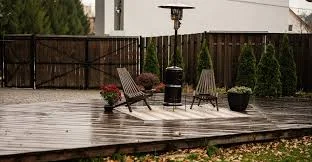
Outdoor upgrades often start with excitement and end with regret. The vision is clear: a clean patio, a usable yard, a space that finally feels finished. But many homeowners rush the process, underestimate the details, or copy designs without understanding how they function. That is how cracks appear, drainage fails, and surfaces shift within months.
The good news is simple: most expensive mistakes with outdoor living space pavers are avoidable. With the right planning and a clear understanding of how backyard hardscape solutions actually work, you can build something that lasts and feels good to use every day.
Why Outdoor Living Space Pavers Fail More Than Expected
Most failures are not about the pavers themselves. They happen because of shortcuts. Poor base preparation, rushed layouts, and ignoring water movement are the usual culprits. Outdoor living space pavers are not decorative tiles you place and forget. They are part of a system.
The whole surface suffers when one section is not paid attention to. This early understanding influences everything you do after that.
Start With Function, Not Appearance
A common mistake is choosing pavers based only on color or texture. How the space will be used matters more. Will people gather, walk barefoot, move furniture, or cook outdoors?
Outdoor living space pavers must support real movement and weight. When function comes first, design choices become easier and far more durable. Backyard hardscape solutions work best when they serve daily habits, not just photos.
The Base Layer Is Not Optional
Skipping proper groundwork is the fastest way to waste money. The base supports everything above it. Without correct excavation, compacted gravel, and leveling sand, pavers will sink or shift.
This mistake often stays hidden at first, which makes it worse. By the time uneven surfaces appear, repairs cost far more than doing it right the first time. A strong base is quite reassuring.
Drainage Decides Longevity
Water is patient. If it has nowhere to go, it will slowly undo your work. Poor drainage leads to erosion, loose joints, and surface movement. Outdoor living space pavers must be installed with slight slopes that guide water away naturally.
This is where backyard hardscape solutions show their real value. When patios, walkways, and seating areas are created with drainage in mind, the whole yard works together instead of against each other.
Spacing and Alignment Matter More Than You Think
Tight gaps or inconsistent spacing create stress points. Over time, temperature changes cause expansion and contraction. Proper spacing allows movement without damage. Alignment also affects how weight is distributed.
Straight lines are not just visual choices; they help maintain balance and reduce pressure on individual pavers. Small layout decisions quietly protect your investment.
Material Choice Should Match Climate and Use
Not all pavers behave the same way. Some absorb heat. Others resist moisture better. Choosing outdoor living space pavers without considering the climate leads to discomfort or wear.
A surface that becomes too hot or slippery limits how often the space is used. Backyard hardscape solutions are successful when materials are chosen for conditions, not trends.
Avoid Overcomplicating the Design
Complex patterns do look nice, but one cannot miss that installations with complicated designs are rife with a lot of errors. The more cuts made, the more the base weak points. Simplicity often proves more durable and soothing within the outdoor Living Space. Such designs might seem unadventurous, but that should not be the case-it is all about being deliberate.
In the making of pavers in open-air living rooms, designs most treasured are those which allow free movement rather than distracting the eyes. Clean layouts weather better and are also forgiving to minor alterations.
Edge Restraints Are Easy to Ignore and Costly to Skip
Edges hold everything together. Without restraints, pavers slowly drift outward. This creates gaps and uneven surfaces. Edge systems are rarely visible once installed, which makes them easy to overlook. But they are essential.
Backyard hardscape solutions rely on hidden structure as much as visible design.
Installation Timing Affects Results
Rushing installation during unsuitable weather causes long-term issues. Wet ground prevents proper compaction. Extreme heat affects alignment. Outdoor living space pavers need stable conditions to settle correctly.
Waiting for the right moment may feel inconvenient, but it prevents years of frustration.
Think Beyond One Feature
A yard is not only a patio. It’s important to include walkways, steps, seating barriers, and transitions. Hardscape solutions for the backyard work when things fit together naturally.
Planning everything together avoids mismatched heights, awkward slopes, and disconnected spaces. A unified plan saves money by preventing rework.
Maintenance Should Be Part of the Plan
Neglecting future maintenance contributes to an earlier breakdown. Stability of pavers is maintained through joint sand, cleaning their surface, and providing them with occasional inspections. Outdoor living space pavers do not require constant maintenance but do require a minimal amount of care.
Designing the outdoor living space with ease of maintenance in mind allows one to maintain the space free of any significant amount of work.
Conclusion: Smart Choices Prevent Expensive Fixes
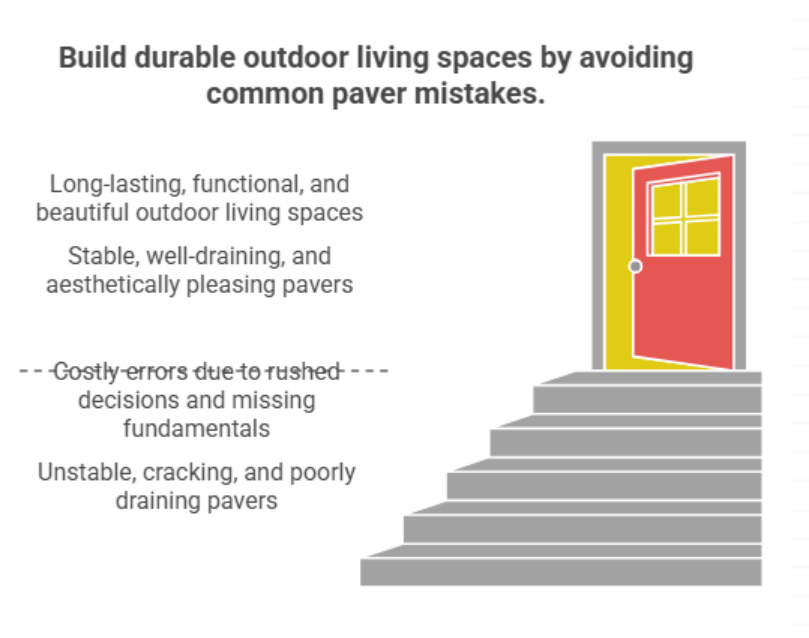
Costly errors with outdoor living space pavers rarely come from bad luck. They come from rushed decisions and missing fundamentals. When you focus on structure, drainage, material fit, and thoughtful layout, everything else falls into place. Backyard hardscape solutions succeed when they are planned as living systems, not surface upgrades.
Take the time to do it right, and your outdoor space will not just look finished. It will stay that way for years.