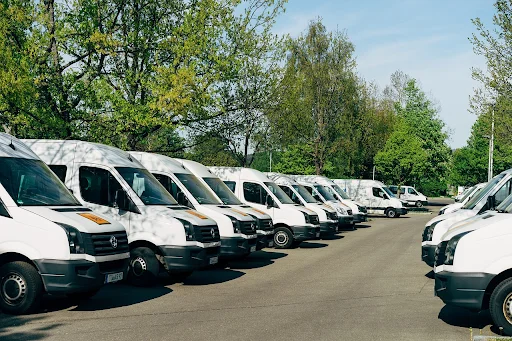
Japan is one of the world’s most trusted sources for high-quality used vehicles, but exporting cars from Japan involves more than winning an auction. For international buyers, most costly delays occur after purchase, during inland transport, port handling, and export documentation. Understanding these operational challenges is essential to avoid storage fees, missed vessels, and compliance issues.
Companies like Autobit, a Japan-based used car exporter, have streamlined these processes over years of experience. By examining auction timelines, inland logistics, and documentation requirements, buyers can avoid common pitfalls and ensure smooth vehicle exports.
Japan Auction Timelines: The First Hurdle
Japanese car auctions operate on strict weekly schedules, with tight deadlines for payment and vehicle collection. Once a vehicle is purchased, buyers typically have only a few business days to arrange payment and organize transport before storage penalties apply.
A common mistake is underestimating how quickly vehicles must be picked up. Auction houses follow a fixed release schedule, and any delay in collection can cascade into longer inland transport and missed shipping windows. Professional exporters, such as Autobit, plan auction participation based on shipping availability, ensuring vehicles move immediately after the hammer falls.
Practical Tip: Confirm auction schedules, payment deadlines, and transport windows before bidding to avoid unnecessary delays and fees.
Inland Transport to Ports: A Critical Step
“After auction collection, vehicles must be transported from inland auction yards to major export ports, primarily Yokohama, Nagoya, and Kobe and Osaka. Each port has unique shipping schedules, congestion patterns, and documentation requirements, which can create bottlenecks if not properly planned
Delays often arise from limited carrier availability, poor coordination with auction houses, or selecting a port without considering vessel schedules. Experienced exporters, like Autobit, pre-arrange inland transport and strategically choose ports based on destination, shipping frequency, and operational efficiency. This reduces idle time and minimizes port storage costs.
Practical Tip: Work with exporters who maintain a local transport network and real-time visibility into vehicle movement from auction to port.
Export Documentation: Accuracy Matters
Exporting a car from Japan requires precise documentation. Two critical documents are:
- Export Certificate
- Vehicle Deregistration Certificate
Common errors include mismatched chassis numbers, incorrect consignee information, and late deregistration. Even minor mistakes can result in customs holds, missed vessels, and additional fees.
Professional exporters handle these documents proactively. Autobit, for example, verifies all paperwork before the vehicle reaches the port, ensuring customs clearance proceeds smoothly and shipment schedules are met.
Practical Tip: Never submit documents last-minute. Confirm all export certificates and deregistration paperwork are accurate before transport to the port.
Common Buyer Mistakes
Many delays stem from avoidable planning errors rather than Japan’s systems. Common mistakes include:
- Booking shipping before deregistration is complete
- Underestimating auction-to-port transit time
- Using uncoordinated third-party agents
- Purchasing vehicles without confirming export eligibility
These operational errors can push shipments back by weeks and increase costs significantly. Buyers who fail to plan each stage of the export process often face repeated delays.
How Professional Exporters Streamline Operations
Experienced Japan-based exporters manage the entire export process as an integrated workflow. This includes:
- Aligning auction purchases with vessel schedules
- Pre-scheduling inland transport
- Processing documentation ahead of port arrival
- Monitoring shipments and providing updates to buyers
Companies like Autobit provide end-to-end operational oversight, reducing delays, preventing documentation errors, and ensuring predictable delivery timelines.
Practical Tip: Choose an exporter with in-country expertise who can coordinate all steps, from auction purchase to port loading.
Key Takeaways for Buyers Exporting from Japan
Exporting used cars from Japan requires careful planning, precise documentation, and operational foresight. Buyers should:
- Verify auction timelines before bidding
- Confirm inland transport availability and plan port selection
- Ensure all export documentation is complete and accurate
- Avoid uncoordinated agents and work with experienced Japan-based exporters
- Track shipments and maintain clear communication throughout the process
By following these steps and partnering with reliable exporters like Autobit, buyers can minimize delays, avoid costly mistakes, and ensure smooth delivery of vehicles from Japan.