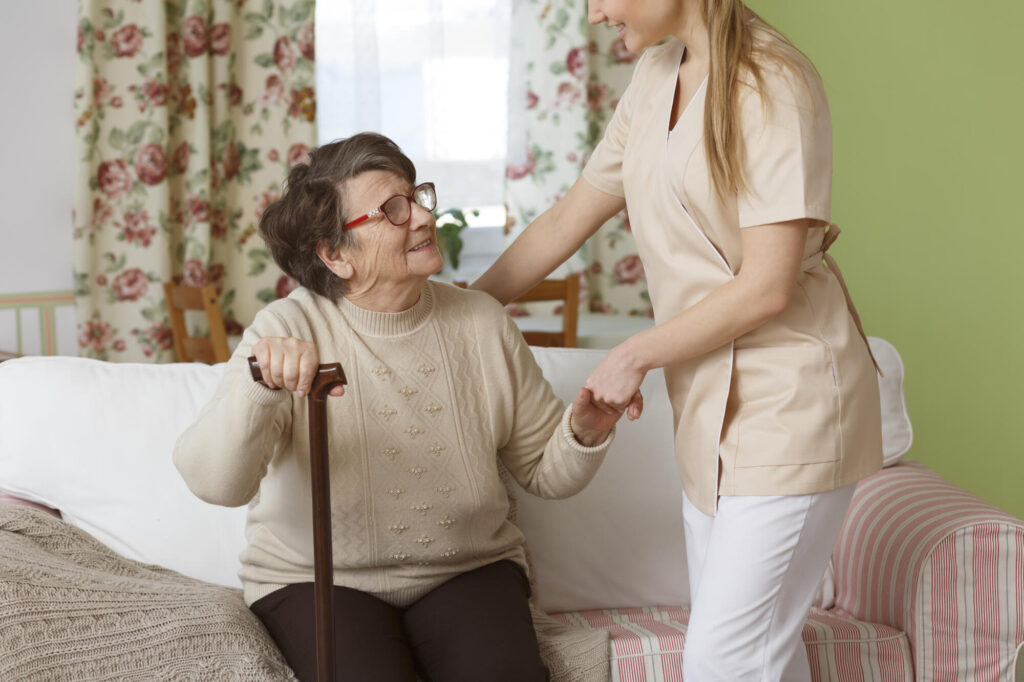
As people grow older, memory loss can make everyday life much harder. Conditions like Alzheimer’s disease or other types of dementia can make routine tasks confusing or overwhelming. Seniors may struggle to take care of themselves, remember important things, or stay safe at home.
Essential daily living support is not just about help-it is about keeping seniors safe, independent, and respected. Read on.
Personal Care and Hygiene
Basic hygiene, like bathing, grooming, and dressing, can become difficult for seniors with memory loss. They may forget how to do tasks or feel anxious about doing them. Caregivers can help by giving clear, step-by-step instructions and using visual reminders.
Keeping a consistent daily routine makes it easier for seniors to know what to do and when. Adaptive tools, like clothes with Velcro or bath chairs, allow seniors to do more for themselves safely.
Nutrition and Meal Preparation
Memory loss can affect eating habits. Seniors may forget to eat, make unsafe food choices, or struggle to prepare meals. Support in this area includes planning meals, cooking, and sometimes supervising eating.
Meals should be nutritious and easy to eat. Involving seniors in cooking when possible can stimulate their minds and help them feel useful. Regular reminders to eat also prevent malnutrition and maintain energy.
Medication Management
Taking medicine correctly is very important. Forgetting doses or taking the wrong amount can be dangerous. Caregivers can use pill organizers, alarms, or automatic dispensers to help seniors stay on schedule.
Regularly checking medicine with healthcare providers ensures it works properly and prevents mistakes. Clear instructions and gentle reminders make managing medications easier and safer.
Cognitive and Emotional Support
Memory loss can cause frustration, sadness, or withdrawal from social life. Talking with seniors, doing activities they enjoy, or looking at old photos can lift their mood.
Activities like puzzles, music therapy, or memory games keep the brain active. Encouraging social contact with family, friends, or community programs reduces loneliness and supports emotional health. Visit one of the top facilities to learn and see how memory care helps.
Safety and Mobility
Seniors with memory loss are at a higher risk of accidents. A safe home is crucial. This can include:
- removing tripping hazards
- installing grab bars
- locking doors to prevent wandering
- using mobility aids when needed
Caregivers can supervise daily tasks, and technology like medical alert devices can provide extra security.
Exercise and Physical Activity
Physical activity is important for both body and mind. Gentle exercises, like walking, stretching, or chair exercises, can improve strength, balance, and coordination.
Regular movement also boosts mood, reduces stress, and may help slow cognitive decline. Caregivers should encourage seniors to stay active safely, tailoring activities to their abilities and providing support when necessary.
Empower Your Loved One Today!
Helping seniors with memory loss every day requires patience, understanding, and careful planning. Focusing on personal care, meals, medication, mental stimulation, safety, and physical activity helps seniors live more comfortably.
Daily support is not just about doing things for them-it is about helping them live with dignity, independence, and happiness. With the right support, seniors can continue to enjoy meaningful and safe lives, even while facing memory challenges.
If you want to read more articles, visit our blog.