Have you ever wondered why some piano players sound smooth and confident while others struggle even with easy songs? Learning the piano can feel confusing at first, especially when your hands and mind do not work together yet. Many beginners practice often but still feel stuck and unsure of progress.
This is where Mastering Piano Techniques becomes important for steady growth and real enjoyment. In this guide, you will learn clear and useful tips that help improve control, sound, and confidence. By the end, you will understand how simple habits can truly elevate your playing skills.
Building Strong Basics With Mastering Piano Techniques
Strong basics help every piano learner grow faster and play with less stress. Good posture is one of the first skills to learn because it affects how your arms and hands move. Sit up straight, keep your feet flat, and relax your shoulders so your body feels balanced.
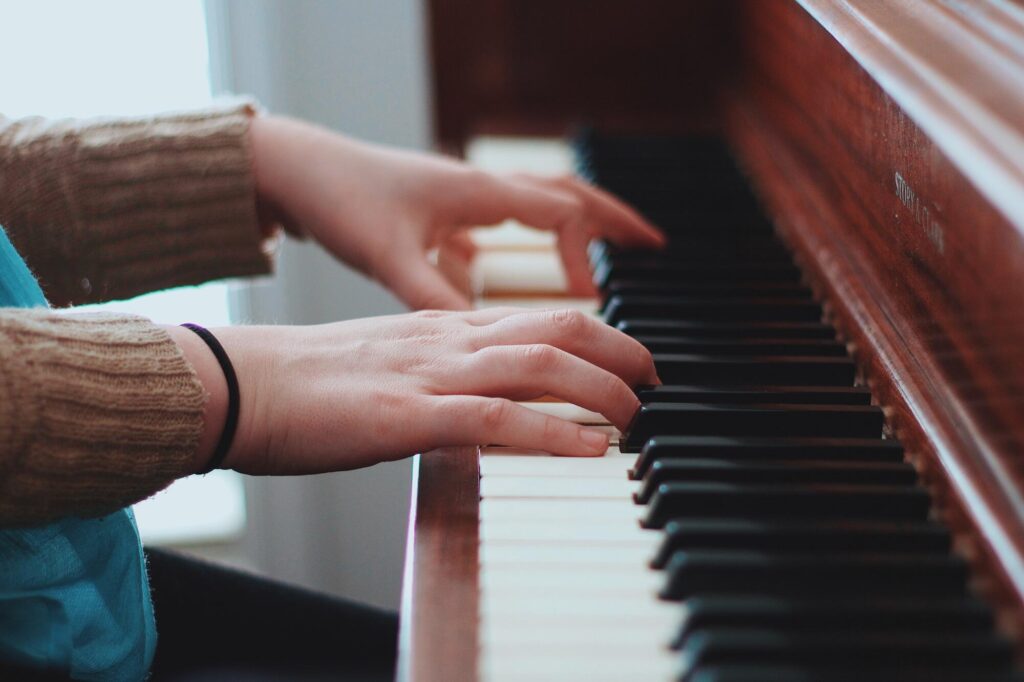
When your body feels calm, your hands can move with better control and comfort. Hand position also plays a key role in building control and ease. Your fingers should curve gently, as if holding a small ball, while your wrists stay loose.
Tension in the hands can slow progress and cause mistakes. Practicing with relaxed hands helps you play longer and improves sound quality over time. Checking your posture often during practice can help you build good habits early.
Developing Finger Strength And Control
Finger strength does not come from force but from steady and thoughtful practice. Each finger needs training so they can move with equal ease. Slow practice helps your fingers learn the right motion without rushing or pressing too hard.
This careful approach builds control that stays with you as songs get harder. Simple exercises help fingers move on their own without help from other fingers. Playing scales at a slow pace allows you to feel each finger press and release the keys.
Over time, this builds balance and smooth movement. With patience, your fingers will feel more active and ready for many styles, including classical piano, without strain.
Resting your hands between exercises also helps prevent tension and tired muscles. As strength grows, difficult passages begin to feel easier and more comfortable to play.
Improving Timing And Rhythm Awareness
Good timing helps music feel alive and steady. Many beginners focus only on notes and forget about rhythm. Using a steady beat helps you stay on time and keeps your playing clear.
Counting out loud during practice can train your mind to feel the beat better. Clapping rhythms before playing them on the keys can also help build rhythm skills. This simple habit connects your ears, hands, and mind.
When rhythm becomes natural, playing feels smoother and more confident. Over time, your sense of timing will improve, making songs sound more complete and enjoyable.
Practicing with a slow and steady pace can also strengthen rhythm control. As timing improves, it becomes easier to play with other musicians or along with music.
Learning To Read Music With Confidence
Reading music may seem hard at first, but it becomes easier with small steps. Start by learning the names of notes and where they sit on the staff. Take time to connect each note to its place on the keyboard.
This helps reduce guessing and builds trust in your reading skills. Practice reading short and easy pieces often instead of struggling with long ones. Regular reading helps your eyes move faster across the page.
As your reading improves, you will spend less time searching for notes. This allows you to focus more on sound, rhythm, and expression while playing.
Over time, reading music begins to feel more natural and less stressful. With steady practice, you will recognize patterns that make learning new pieces easier.
Adding Expression And Musical Feeling
Playing the right notes is important, but expression gives music its voice. Dynamics like soft and loud sounds add emotion and shape to a piece. Practicing gentle control over how hard you press the keys helps you change volume with ease.
This skill makes music sound more alive and interesting. Listening closely to your playing helps you notice small changes in sound. Try playing the same phrase in different ways to feel the difference.
Expression grows when you connect emotion with motion. Over time, your playing will sound more natural and pleasing to both you and your listeners.
Paying attention to mood and feeling can also guide how you shape each phrase. With practice, expression becomes a natural part of your playing style.
Creating Smart And Steady Practice Habits
Good practice habits help you improve without feeling tired or bored. Short and focused practice sessions work better than long and rushed ones. Setting clear goals for each session gives your practice direction and purpose.
This helps you see progress more clearly. Taking breaks during practice keeps your mind fresh and your hands relaxed. When you return, mistakes are easier to fix.
Practice becomes more enjoyable when you feel calm and focused. With steady habits, learning the piano becomes a rewarding daily routine.
A simple practice plan can also help you stay organized and motivated each day. Over time, these habits build strong skills and lasting confidence at the piano.
Turning Skills Into Confident Performance
Playing for others can feel scary, but it builds confidence and skill. Start by playing for yourself or a trusted listener. This helps you get used to finishing songs without stopping.
Confidence grows each time you play through a piece smoothly. Mistakes may happen, but learning to keep going is part of growth. Focus on the flow of the music instead of small errors.
Performing helps connect all the skills you practice each day. Over time, your playing will feel stronger and more confident in any setting.
With regular sharing, even small performances begin to feel normal and less stressful. Each time you play for someone else, you gain better control over nerves and focus.
Let Your Piano Journey Truly Shine
Learning piano is a journey filled with steady growth and joyful moments. When you focus on technique, rhythm, reading, and expression, your playing becomes more balanced and clear. Mastering Piano Techniques helps you build skills that support both confidence and creativity.
Each practice session becomes a step toward better sound and control. Stay patient with yourself and enjoy the process of learning and improving. With time, your effort will turn into music you can be proud of.
Did this guide help you? Browse the rest of this section for more advice on a variety of topics.