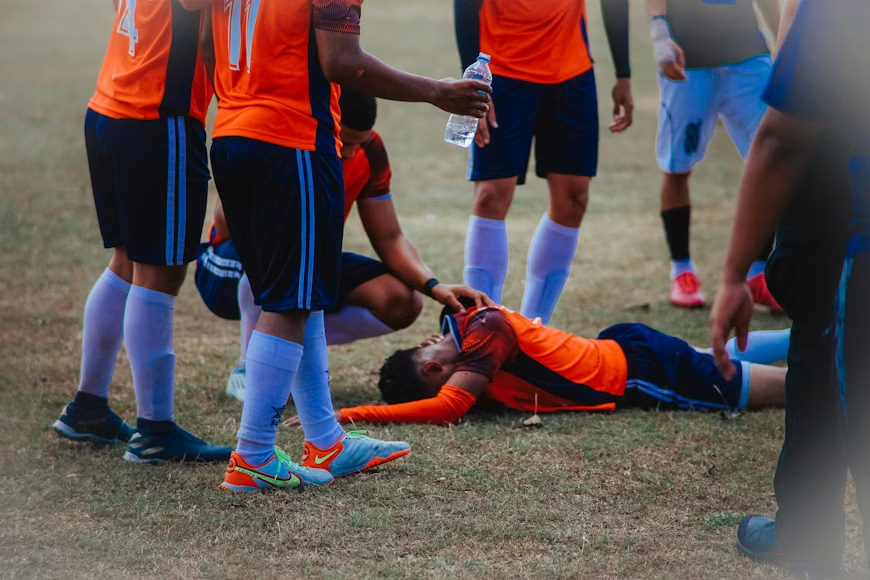
NFL fans held their collective breath when Tua Tagovailoa was tackled to the ground by the Cincinnati Bengals’ Josh Tupou in 2022.
He remained like that for more than seven minutes; rigid hands facing outwards. Doctors said it was an involuntary neurological response to an injury the Miami Dolphins quarterback sustained a few days prior. Had he done an online search for “sports injury chiropractor near me,” he would have been advised not to play.
The incident pointed to something more sinister. What happens when small injuries are ignored in high-performance roles?
Why High Performers Ignore Minor Pain
It’s not only sports professionals who ignore that niggling pain. High performers, in general, are wired to push. Rest feels like weakness. Slowing down feels like failure.
You tell yourself:
- “It’ll go away.”
- “I don’t have time.”
- “Everyone feels like this.”
Sometimes, you’re right. Sometimes, the pain fades. Often, it doesn’t.
Sports Injury Bulletin reports that elite performers carry a heavy physical and psychological load, even when injuries seem minor. That hidden burden builds over time, affecting confidence, mood, and long-term function.
The pain becomes normal. Until it isn’t.
The Snowball Effect of ‘Small’ Injuries
Tiny Issues Rarely Stay Tiny
A small strain can change how you move. That change forces other muscles to work harder. Then something else starts to ache. It’s a chain reaction.
According to the National Library of Medicine, untreated musculoskeletal issues can alter movement patterns and raise the risk of reinjury. Your body adapts. Those adaptations come with a price.
The Real Villain
When one area hurts, your body cheats. You lean. Twist. Shift. Guard.
That’s how a sore ankle becomes a knee problem. Or how a stiff neck leads to headaches and nerve pain. Clinics that work with active patients see this all the time.
Small issues ignored early can lead to chronic pain, nerve compression, and reduced mobility later on.
Why Early Care Changes Everything
When you address issues early, recovery is easier. Healing is faster. Results are better.
Many chiropractors for sports injuries emphasize that early intervention can restore mobility and reduce inflammation. Instead of waiting for the pain to worsen, call your physician or healthcare provider.
Look at this this way: You don’t wait for your phone to shatter before buying a case. Your body deserves the same logic.
Experts in injury prevention stress the importance of strength training, mobility work, proper warm-ups, and rest. Governor’s Park Chiropractic agrees, stating that a qualified athletic injury chiropractor will help you maintain an active lifestyle and reduce your risk of injury.
The Mental Toll Nobody Talks About
Pain doesn’t just sit in your body. It lives in your head. Ongoing discomfort affects:
- Sleep
- Focus
- Mood
- Motivation
A study published in Quantitative Research in Sport, Exercise and Health found that recurring sports injuries and chronic sports pain are linked to anxiety and fear of movement.
You start second-guessing yourself. You hesitate. You hold back. That’s dangerous in high-pressure roles where decisions need to be fast and clear.
Overloaded Schedules Make It Worse
Less Recovery, More Risk
In elite sport, packed calendars and constant competition are pushing bodies past safe limits. Player unions warn that intense schedules increase injury risk and shorten careers.
Now apply that to everyday life. Long workdays. Side hustles. Family duties. Late nights. Early mornings. Your body doesn’t get time to recover. Small injuries never heal. They stack.
Hustle Culture Fuels Denial
We celebrate the grind. We glorify exhaustion. We praise pushing through pain. Yet research done by Sport Journal shows that awareness and early action are key to preventing long-term harm.
Signs You’re Ignoring Something Important
If any of these sound familiar, it’s time to listen to your body:
- Pain that lingers more than a few days
- Stiffness that keeps returning
- Clicking, popping, or locking joints
- Numbness or tingling
- Reduced range of motion
- Fatigue that doesn’t match your workload
These aren’t quirks. They’re signals.
Redefining Strength
High performers who last don’t push blindly. They recover strategically. They treat their bodies like assets, not tools. They know that small injuries, left alone, don’t stay small.
The hidden cost of ignoring minor damage isn’t purely physical; it’s lost time. Lost focus. Lost confidence. Lost opportunities.
Yes, you might still show up. You might still hit deadlines. But you’re slower. Less sharp. Less creative. You fatigue faster. You lose endurance. You hesitate.
We’re not suggesting you be dramatic about your health. Just be consistent. Listen early. Act early. Stay in the game longer.