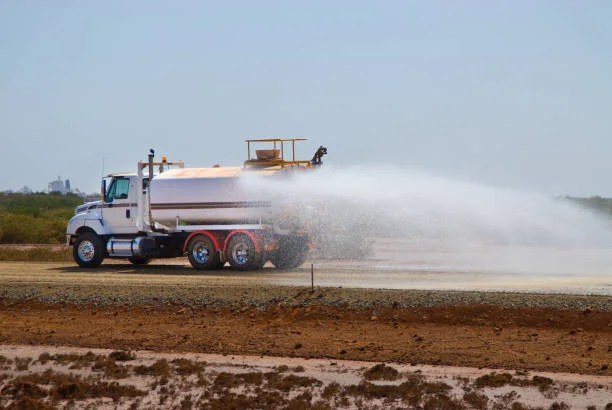
Water trucks are a key safety tool on busy construction sites. When operated correctly, they reduce airborne dust, support fire control, and improve surface conditions of Construction Water Truck while protecting crews and nearby areas. Proper use also helps projects meet local rules and avoid costly delays.
This guide shares clear, jobsite-ready practices for operators, supervisors, and site managers. These steps help improve safety, tighten daily operations, and get more value from every run. Read the full article to learn practical checklists and proven methods that make water truck operations safer and more effective.
Integrated Dust Control and Fire Readiness
Proper water application stabilizes fine dust and keeps material contained on site. This improves visibility, reduces worker exposure, and supports compliance with safety and environmental regulations. Consistent dust control also helps maintain steady operations with fewer interruptions.
Effective dust management provides added operational value. Water trucks contribute to fire preparedness, particularly in dry or high-risk environments. Immediate access to water allows crews to respond quickly and control small fire incidents before they escalate.
Fast response depends on dependable resources. Keeping a reliable water truck on site reduces reaction time and helps limit potential damage. When well-maintained equipment is operated by trained personnel, overall site safety and operational efficiency improve.
Pre-Shift Readiness and Operator Capability
Every successful shift starts with prepared operators and checked equipment. Clear skills, proper checks, and awareness reduce errors before work begins Construction Water Truck. Strong preparation leads to smoother site operations.
Shift-Ready Vehicle Checks
Inspect the truck at the start of every shift to confirm it is safe to operate. Check brakes, lights, steering, mirrors, tires, fluids, and the tank for leaks or loose fittings. Test the pump, pressure gauges, spray bars, and all controls before leaving the yard.
PPE and Site Readiness
Operators must wear the required PPE and complete the site induction before work begins. Review the planned route, no-spray areas, overhead hazards, and safe separation distances. Hold a brief toolbox talk to cover weather, nearby work, and traffic controls.
Operator Training and Records
Only trained and authorized personnel should operate a water truck. Training must cover vehicle control, pump and nozzle setup, correct spray methods Construction Water Truck, and emergency response. Keep all certificates and refresher records updated in the operator file.
On-Site Operating Safety Standards
A controlled site keeps work moving without delays. Proper planning, visibility, and coordination help avoid near misses and shutdowns. Safe practices protect crews and keep projects on schedule.
Keep the Truck Rolling for Even Coverage
Apply water while the truck moves at a slow, steady pace to spread moisture evenly. Stopping concentrates flow and causes mud, ruts, and slip risks. Set a speed that covers the surface without soaking it.
Tune Spray Settings to the Job
Choose nozzle type and pressure based on the surface and goal. Use wide fans for haul roads and focused jets for stockpiles or spot control Construction Water Truck. Test patterns before each pass and adjust for wind and slope to prevent drift and damage.
Coordinate with Traffic and Pedestrians
Plan spray runs with traffic controllers when working near people or public roads. Use signs and barriers, and schedule work during low-traffic periods when possible. Watch peak commute times, school zones, and nearby residents to avoid conflicts.
Maintenance That Keeps Water Trucks Job-Ready
Adopting daily and weekly routines ensures reliability and safety in operations. Clean filters, inspect hoses and couplings, and flush lines to stop blockages before they slow work. Test nozzles often and replace worn ones right away, because wear changes flow and weakens coverage.
Consistent checks reduce downtime and wasted water. Small faults caught early prevent leaks, pressure loss, and uneven spray. Record every task in a daily log to track patterns, plan fixes, and prove compliance.
Seasonal and annual checks protect major components. Inspect the tank and baffles for corrosion or damage, and service pump seals and valves on a set schedule. Follow manufacturer guidance and a clear SOP so maintenance matches hours of use and site demand.
Optimized Dust Control With Regulatory Compliance
Implement dust-control plans that reduce water use while fully complying with local regulations. Review permit conditions regularly Construction Water Truck, as some sites require weekly visual emissions inspections. Consistent documentation supports compliance and simplifies audits.
Manage spray application carefully to prevent runoff and environmental impact. Calibrate flow rates, select appropriate nozzles, and avoid spraying on sensitive or unstable slopes. These controls protect surrounding areas and maintain site integrity Construction Water Truck.
When water availability is limited, use approved surfactants or dust suppressants to enhance control duration. For reclaimed water use, verify filtration standards and secure all required approvals before operation. A structured water truck rental strategy helps deliver precise application and dependable performance.
Smart Routing and Vendor Oversight That Stands Up to Audits
Plan routes and schedules around traffic counts, weather changes, and work phases on site. This ensures consistent coverage and avoids unnecessary runs during low-demand periods. A smart plan saves time, fuel, and water while keeping dust under control.
Use clear run sheets on every shift. Include the date and time, route, operator name, volume applied, and nozzle settings for each run. These records show control and care, and they hold up during inspections and audits.
If you hire outside support, vet vendors before work starts. Check training records, maintenance programs, and how fast they can refill during peak demand. When you need external help, look for bold anchor links that clearly show service scope, safety standards, and proven credentials.
Pre-Shift Safety Checks That Prevent Downtime
Start every shift with a fast but complete walk-around. Check brakes, lights, tank levels, pump function, and nozzle condition before moving the truck. Small faults caught early prevent delays, spills, and unsafe operation.
Confirm PPE use and site induction before work begins. Make sure the operator understands the route, known hazards, spray pattern, and correct pressure while spraying on the move. Complete the run sheet after each run, and if any gear fails, stop work, tag it out, and notify the supervisor at once.
Finish Strong with Smarter Dust Control
A disciplined water-truck program keeps crews safe and projects moving. Daily checks, trained operators, and the right nozzle and pressure choices cut dust fast and lower health risks. Strong maintenance habits and clear logs also reduce stoppages and protect your schedule and budget.
Act now: tighten pre-shift checks, confirm training, and work with a reliable fleet. These steps protect your team, your site, and nearby communities while keeping work on track. For practical tools, ready-to-use templates, and proven tips, read our blog and make every job cleaner and safer.
Editor’s choice—content that deserves your attention at Management Works Media.