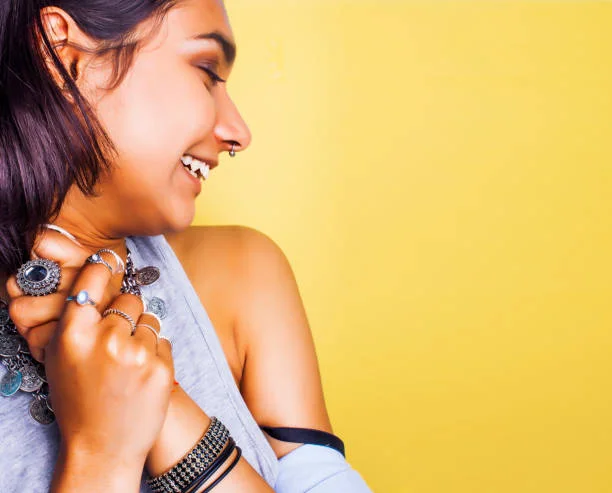
Body piercing is often associated with placement and style, but the selection of jewelry plays an equally important role in shaping the overall experience. From the moment a piercing is performed through long-term wear, the type of jewelry used affects comfort, healing, and personal satisfaction. Weight, shape, material, and fit all interact with the body in subtle ways that can either support or disrupt the process. Many challenges people face with piercings are linked not to the piercing itself but to jewelry that does not align with the body’s needs. Understanding how jewelry choices influence body piercing helps individuals make decisions that support comfort, durability, and confidence over time.
Jewelry decisions and piercing outcomes
Material Selection and Skin Response
The material used in piercing jewelry is directly related to how the body responds during healing and beyond. Skin reacts differently to various metals, especially when a piercing is new and sensitive. Materials designed for prolonged skin contact tend to support smoother healing by reducing irritation and minimizing unnecessary reactions. When jewelry interacts gently with surrounding tissue, swelling and redness are often easier to manage. Over time, material choice remains important, as lower-quality materials may cause discomfort even after healing is complete. Choosing jewelry for long-term wear helps piercings remain comfortable rather than becoming a recurring source of irritation.
Jewelry Fit, Movement, and Daily Wear
Fit is one of the most overlooked aspects of body piercing jewelry, yet it strongly influences comfort. Jewelry that is too tight can place pressure on the piercing site, while pieces that are too loose may move excessively and cause friction. This balance is especially important for individuals exploring piercings in Austin, where active lifestyles and warm weather can increase movement and exposure. Jewelry that fits properly allows natural motion without constant awareness of the piercing. Over time, proper fit supports smoother healing and reduces the need for adjustments. Daily wear becomes easier when jewelry works with the body rather than against it.
A Short Look at Jewelry Weight
Jewelry weight influences how a piercing feels throughout the day. Heavier pieces may create tension, especially in fresh or delicate piercings. Lightweight jewelry allows the body to adjust without unnecessary strain. Weight becomes more noticeable during movement or extended wear. Choosing appropriate weight supports comfort and reduces pressure on surrounding tissue. Over time, balanced weight helps piercings feel natural rather than distracting.
Design, Shape, and Long-Term Comfort
The shape and design of piercing jewelry affect how it interacts with skin, clothing, and movement. Smooth edges and well-finished surfaces reduce friction and snagging, which can otherwise cause discomfort. Jewelry design also determines how easily a piercing can be cleaned, influencing hygiene and maintenance. Pieces with excessive angles or protrusions may feel appealing visually but can interfere with everyday activities. Over the long term, design choices influence whether a piercing feels effortless or requires constant attention of Body Piercing Experience. Selecting designs that balance appearance with practicality supports a more comfortable experience across different settings.
Changing Jewelry and Timing Considerations
Timing plays an important role when changing piercing jewelry. Switching too early can disrupt healing and increase sensitivity, even if the jewelry itself is well-suited. Allowing the piercing to stabilize before making changes supports smoother transitions. When the body has adapted, changing jewelry becomes less disruptive and more enjoyable. Understanding when and how to change jewelry helps preserve comfort and appearance. Thoughtful timing prevents setbacks that may otherwise delay healing or cause unnecessary irritation. This patience contributes to long-term satisfaction with body piercings.
Lifestyle Alignment and Jewelry Choices
Daily habits influence which jewelry styles feel most comfortable over time. Work environments, physical activity, and personal routines all interact with the wearing of piercing jewelry. For example, jewelry that works well during quiet routines may feel intrusive during exercise or long workdays. Aligning jewelry choices with lifestyle helps piercings integrate naturally into everyday life. When jewelry supports routine movement and responsibilities, piercings feel less like accessories and more like extensions of personal style. This alignment reduces the need for constant adjustments and supports long-term comfort.
Jewelry choices shape the body-piercing experience far beyond its initial appearance. Material, fit, weight, design, timing, and lifestyle alignment all influence how a piercing feels and functions over time. Thoughtful jewelry selection supports healing, comfort, and personal confidence while reducing unnecessary complications Body Piercing Experience. When jewelry works in harmony with the body, piercings become easier to maintain and more comfortable to wear. By understanding the role of jewelry, individuals can approach body piercing with greater awareness and create experiences that remain comfortable and satisfying long after the initial decision.
Keep exploring content tailored to your interests at Management Works Media.