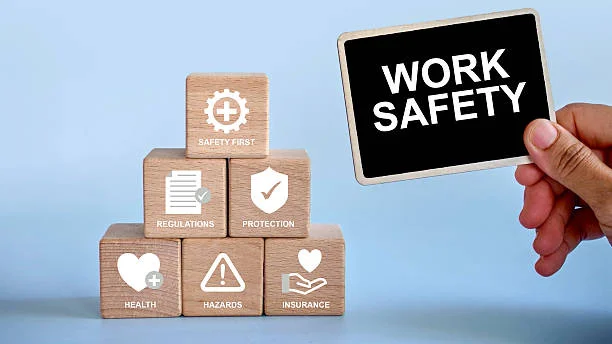
Workplace safety is important for every organization. Employees need to feel safe while doing their jobs. Accidents and hazards can cause injuries, stress, and lost time risk monitoring.
Strong safety practices protect people and support productivity. Continuous risk monitoring helps identify problems early. It creates a safer and more stable work environment.
Understanding Continuous Risk Monitoring
Continuous risk monitoring means watching for safety risks at all times. It is not a one-time task. Teams check equipment, processes, and work areas regularly and this helps spot hazards before accidents happen.
Small issues can be fixed quickly. Ongoing monitoring supports a proactive safety culture and it encourages awareness and responsibility.
Reducing Accidents and Injuries
Regular risk monitoring helps reduce workplace accidents. Unsafe conditions are found and corrected early and this prevents minor issues from becoming serious injuries.
Employees are less likely to get hurt. Fewer accidents mean less downtime. Safety improvements also reduce stress and a safer workplace supports better morale and trust.
Improving Employee Awareness
Continuous monitoring increases employee awareness. Workers learn to notice risks in their daily tasks. Training and reminders support safe behavior.
Employees feel more involved in safety efforts and this shared responsibility builds teamwork. When everyone watches for risks, safety improves and awareness helps create lasting habits.
Using Data to Improve Safety
Data plays a key role in risk monitoring. Safety checks and reports provide useful information. Patterns and trends can be identified and this helps managers focus on high-risk areas.
Tools like EHS Software support data collection and analysis. Clear data helps guide better safety decisions and informed actions lead to stronger protection.
Faster Response to Safety Issues
Continuous monitoring allows faster response to hazards. Issues are reported and addressed quickly and this reduces the chance of injury. Quick action shows care for employee well-being.
It also helps maintain trust. Fast response keeps work moving safely so problems are solved before they grow.
Supporting Compliance and Standards
Workplace safety rules must be followed. Continuous monitoring helps meet safety standards with regular checks support compliance with regulations.
Documentation shows commitment to safety and this reduces legal risks. Clear records also help during inspections. Compliance protects both employees and organizations.
Encouraging a Safety-First Culture
Ongoing risk monitoring supports a safety-first culture. Safety becomes part of daily work. Leaders set clear expectations so employees feel supported when safety is prioritized.
Open communication encourages reporting and a strong safety culture reduces fear and improves cooperation. Everyone benefits from shared values.
Adapting to Changing Work Conditions
Workplaces often change over time. New equipment or processes can introduce risks and continuous monitoring helps adapt to these changes. Risks are assessed as conditions evolve.
This keeps safety practices current. Flexible monitoring supports long-term safety and it prepares teams for future challenges.
All About Strengthening Workplace
Strengthening workplace safety requires constant attention. Continuous risk monitoring helps prevent accidents and protect employees and it supports awareness, quick response, and compliance.
A proactive approach creates a safer work environment. Strong safety practices benefit everyone and support long-term success.
Did you find this article helpful in any way? Check out the rest of our blog for more related content!